

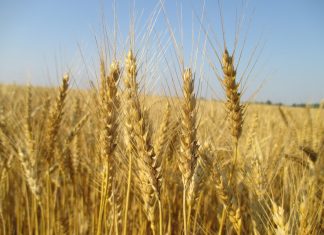
Dekgewasbestuur se effek in wintergraanstelsels
Deel 2: Die effek op die voedingswaarde vir vee
In die eerste artikel van die reeks is agtergrond gegee ten opsigte van die voordele van dekgewasse, maar ook verwys na die struikelblokke in die gebruik...
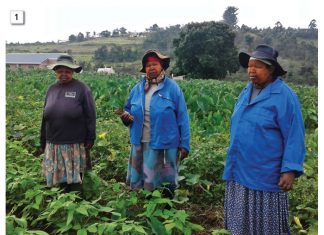
CONSERVATION AGRICULTURE in smallholder farming systems Case Study from Swayimane, Kwazulu-Natal Midlands
September 2018
TEMAKHOLO MATHEBULA, ERNA KRUGER, Mahlathini Development Foundation and DR HENDRIK SMITH, conservation agriculture facilitator, Grain SA
The densely populated Swayimane area situated 40 km outside Pietermaritzburg under the uMshwathi Local Municipality is well-known for...
Bemesting van aangeplante weiding in die somerreënvalgebied
Kunsmis is een van die duurste en belangrikste insette vir die verbouing van aangeplante weidings vir optimale diereproduksie. Die regte en voldoende bemesting kan ’n drastiese verhoging in droëmateriaalproduksie oplewer.
Reënval
Reënval speel ’n belangrike rol...
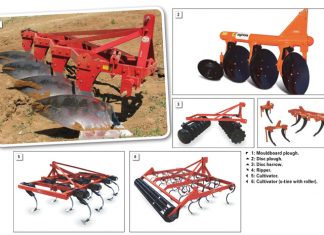
Machinery and implements for conventional farming systems
September 2018
JOHAN VAN BILJON and DR TINGMIN YU, ARC-Agricultural Engineering
The optimal use of the correct equipment and implements is necessary to optimise farming production and to maximise operational profit. All mechanisation actions need to...
Bread price not affected by wheat import tariff
Bread is an important staple food in South Africa and plays an integral role to ensure national food security. Consumers for the most part do not buy food directly from producers and the price...

Management of Sclerotinia head and stem rot
February 2019
MARLESE BESTER and LISA ROTHMANN, Department of Plant Sciences: Plant Pathology Division, University of the Free State
Sclerotinia sclerotiorum is a hemi-biotrophic fungal plant pathogen, therefore a biotrophic and necrotrophic pathogenic lifestyle is followed. This...
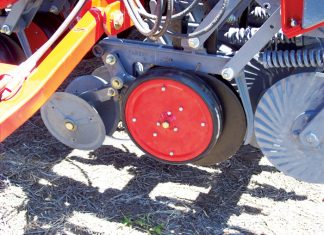
Planters wat wérk in die Wes-Kaap
‘n Planter is een van die belangrikste implemente – indien nie dié belangrikste – op enige saaiplaas, ongeag of die produsent koring, kanola, gars, hawer, mielies of sojabone verbou.
As die planter reg werk, is...
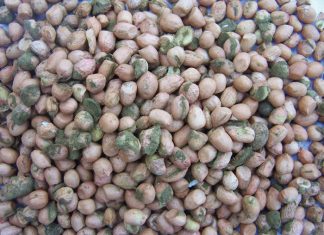
Growing groundnuts aflatoxin-free
The groundnut or peanut (Arachis hypogaea L.) is an important food and fodder crop in the farming systems of developing countries. The seed is high in oil (close to 50% for many varieties) and...
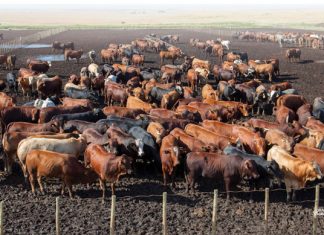
PROFIT MAXIMISING feeding period for cattle
June 2018
PHILLIP OOSTHUIZEN, head: Economics and Research, Sernick Group
The cattle feedlot sector plays a significant role in the red meat industry. Approximately 70% to 80% of cattle that reach the consumer went through a...
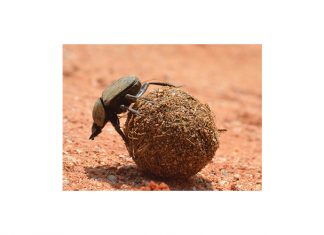
Dung beetles – indicators of biodiversity
Apart from the obvious global challenges such as climate change and ensuring future food security in a rapidly changing environment, decreasing global biodiversity is also a very serious challenge.
According to the 2019 UN Biodiversity...