

Disease surveys provide an opportunity to look beyond individual fields and production seasons to build a broader picture of the diseases affecting grain sorghum production. Over three years (2023 to 2025), sorghum fields across different production regions of South Africa were surveyed to determine which diseases were present, how frequently they occurred, and how disease levels varied among fields and locations.
Across the three seasons, more than 80 fields on 27 farms in five provinces were assessed as part of Thabiso Masisi’s doctoral research. Samples collected during these surveys were used in Nomvula Moloi’s MSc research on the fungi associated with sorghum grain. The surveys revealed considerable variation in the diseases present and the levels at which they occurred. Some diseases were encountered frequently across production regions, while others occurred less often or were associated with particular environmental conditions.
Three findings are particularly relevant to producers: the frequent occurrence and varying severity of leaf blight, the diverse fungi associated with grain mold, and the importance of recognising ergot when conditions favour disease development.
Leaf blight
Leaf blight, caused by Exserohilum turcicum, was the most frequently encountered disease during recent sorghum disease surveys conducted across South African production regions. This is the same fungal pathogen responsible for northern corn leaf blight in maize. Although the disease was commonly observed, its severity varied considerably across fields, highlighting the importance of regular monitoring and informed management decisions.
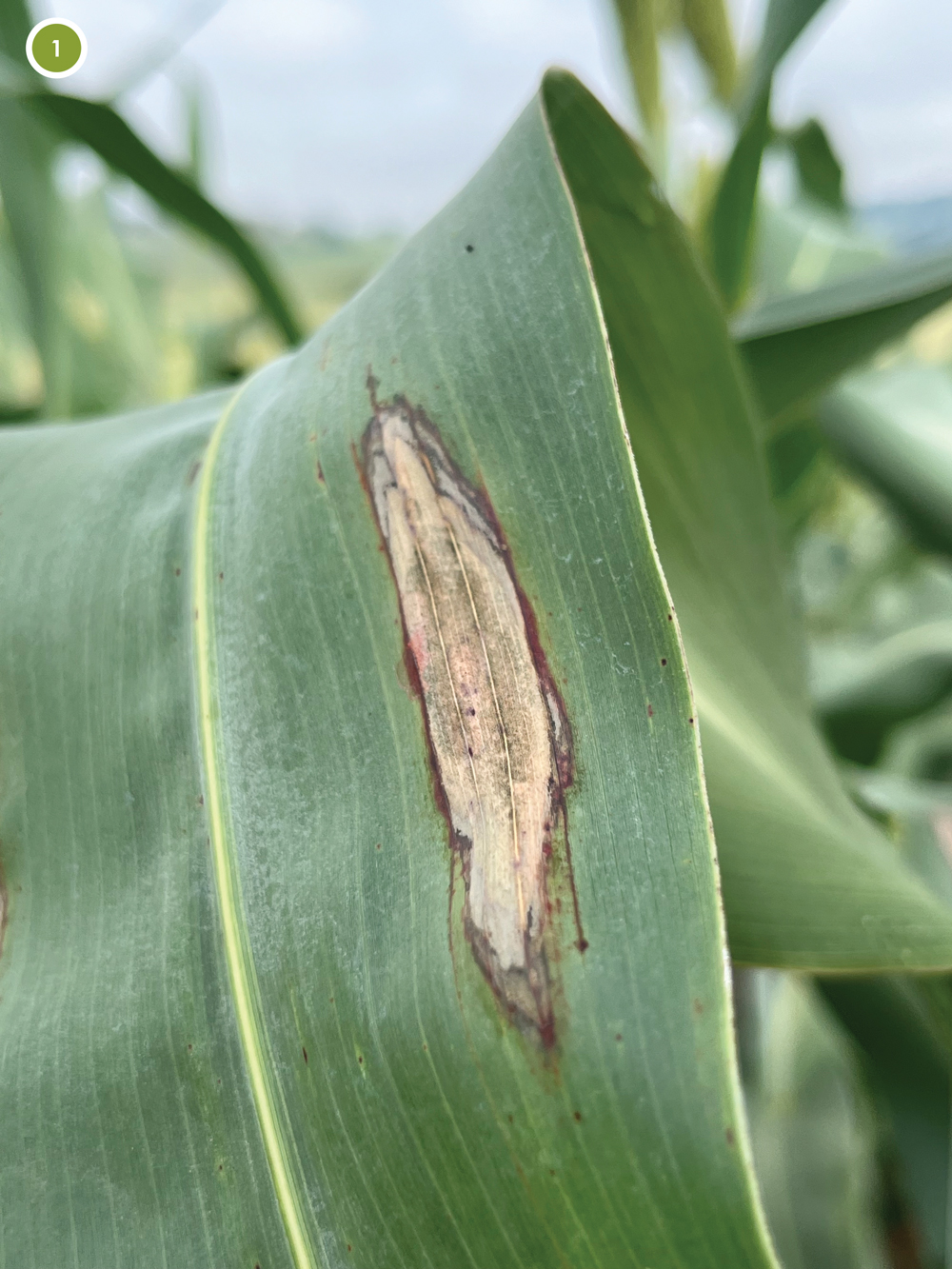
Symptoms usually begin on the lower leaves as small chlorotic or water-soaked spots that gradually enlarge as the disease develops. These spots expand into characteristic long, narrow, elliptical or cigar-shaped lesions that can reach approximately 2,5 to 15 cm in length. Lesions typically have tan, straw-coloured or brown centres surrounded by darker reddish-purple to brown margins. The margin colour may vary by cultivar, and symptoms may appear less distinct in some non-pigmented sorghum types
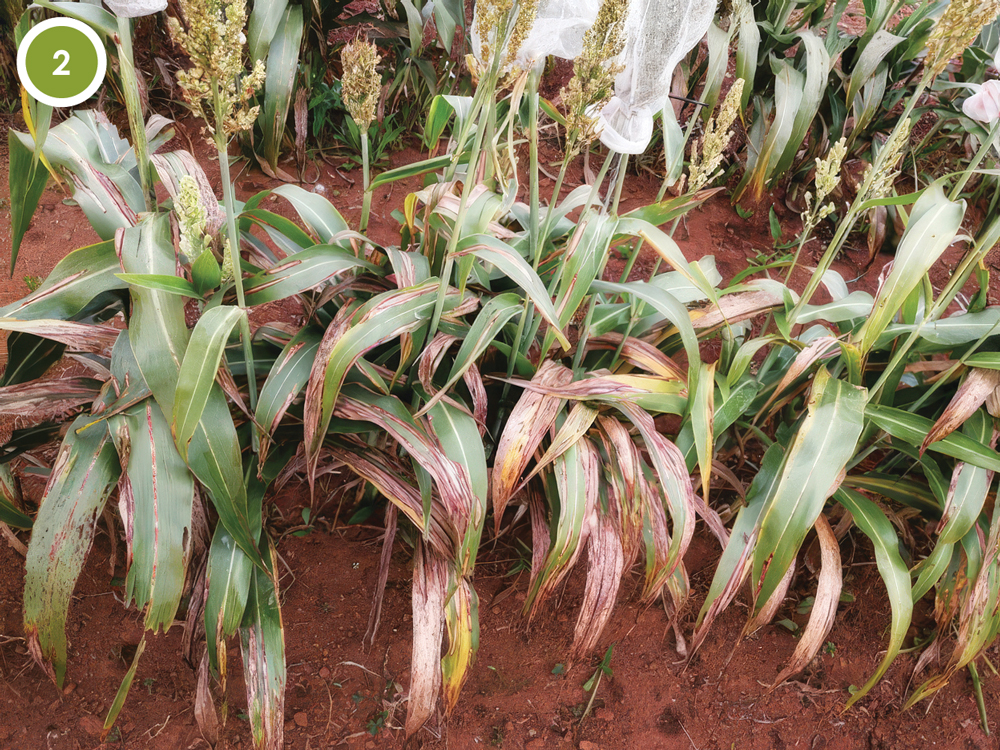
(Photo 1). As the disease progresses, individual lesions can merge, resulting in large dead areas on leaves and leaf sheaths (Photo 2). Under humid conditions, the pathogen produces spores on infected tissue, which may give lesions a grey, dark, or olive-coloured appearance. Severe infections reduce the plant’s green leaf area, limiting photosynthesis and potentially reducing yield, particularly when favourable environmental conditions allow rapid disease development.
Successful management of leaf blight requires an integrated approach in which cultivar selection, crop monitoring, and appropriate fungicide use complement one another. Cultivar selection remains one of the most important strategies, as sorghum cultivars can differ greatly in their level of susceptibility or resistance. Understanding these differences can help producers avoid unnecessary preventive fungicide applications and the associated costs when a cultivar already provides adequate resistance.
This was demonstrated in a cultivar evaluation field trial conducted by the Agricultural Research Council-Grain Crops Institute in 2017. Of the eleven cultivars, only Titan had less than 10% leaf blight incidence.
A single fungicide application reduced leaf blight levels across the treated plots to between 5 and 16,7%. These results demonstrate the value of combining cultivar resistance with fungicide treatment when disease pressure warrants intervention. However, cultivar responses may differ among production regions because different races of the pathogen occur in South Africa.
Fields should therefore be monitored regularly, especially when warm and humid conditions favour disease development. Fungicide applications are most effective when applied preventively or early in infection, before extensive leaf damage occurs. Several registered fungicides belong to two major fungicide groups: strobilurins (QoI; FRAC Group 11), such as azoxystrobin, and triazoles (DMI; FRAC Group 3), including difenoconazole, tebuconazole, propiconazole, and cyproconazole. Many available fungicide products combine these two modes of action to improve disease control. Applications are often recommended preventatively or when early symptoms are detected, with follow-up sprays depending on disease pressure, environmental conditions, and label recommendations.
To reduce the risk of fungicide resistance, producers should avoid repeated use of fungicides with the same mode of action throughout the season. Alternating fungicide groups and following label recommendations regarding application timing, intervals, and maximum number of applications remain essential for maintaining long-term effectiveness. While leaf blight primarily affects the crop’s photosynthetic capacity, surveys also highlighted disease concerns that become apparent later in the season, particularly as the grain develops and matures.
Grain mold
Grain mold is associated with a diverse group of fungi, illustrating that it is not caused by a single pathogen but represents a complex involving several fungal genera. Nine fungal genera associated with sorghum grain mold were identified, including Alternaria, Bipolaris, Cladosporium, Curvularia, Epicoccum, Exserohilum, Fusarium, Mucor, and Nigrospora, several of which are known to cause fungal diseases in sorghum production regions.
Among these, Epicoccum was the genus most frequently recovered from the grain samples, with more than 20 isolates, indicating that it was a common component of the fungal community associated with the surveyed grain. Fusarium spp. was the second most frequently recovered genus, with twelve isolates, consistent with previous reports identifying it as one of the major contributors to sorghum grain mold. Alternaria was the third-most frequently identified genus, with seven isolates. The frequent recovery of Epicoccum, Fusarium, and Alternaria warrants attention as some species within these genera can cause disease or produce mycotoxins that affect grain quality, food and feed safety, and marketability.
Epicoccum sorghinum produces tenuazonic acid (TeA), a potent inhibitor of protein biosynthesis whose accumulation in sorghum grain is influenced by prevailing weather conditions. Similarly, Alternaria alternata produces several mycotoxins, including TeA, alternariol, alternariol methyl ether, altenuene, and altertoxins, which can negatively affect both pre- and post-harvest grain quality. Certain Fusarium species produce fumonisins, moniliformin, zearalenone, and deoxynivalenol, all of which can accumulate in grain and pose significant risks to animal and human health through acute or chronic exposure.
To assess the potential food and feed safety risk, selected grain samples were submitted to a specialised laboratory in the United States for mycotoxin analysis. None of the mycotoxins included in the laboratory analysis were detected above the analytical limits of detection in the selected samples. This was reassuring for the samples tested, although continued monitoring remains necessary, as mycotoxin production varies with the fungal species present and with environmental conditions during grain development.
Ergot
Unlike grain mold, which involves a diverse complex of fungi associated with developing and mature grain, ergot is caused by a single pathogen, Claviceps africana, that infects sorghum during flowering. Although it was encountered less frequently during the surveys, its distinctive symptoms and close association with weather conditions during flowering make it an important disease for producers to recognise. The disease is favoured by cool, wet, or rainy conditions that interfere with pollination, leaving florets unfertilised. For this reason, ergot has historically been associated with later plantings that flower under cooler, wetter conditions.
Ergot is not new to South Africa. During the late 1990s, it caused serious concern in sorghum production, with yield losses estimated at 10 to 15% nationally in 1996. Some areas were more severely affected, including Heilbron in the Free State, Klerksdorp in North West and Standerton in Mpumalanga. The disease was again prominent in sorghum hybrid and seed production fields during the 1999/2000 season. Since then, improved cultivar screening and avoidance of very late planting dates have helped reduce its impact. However, reduced disease occurrence does not mean that the pathogen has disappeared.
Recent observations indicate that ergot remains present in South African sorghum production systems and requires continued monitoring. During recent sorghum disease evaluations, ergot was recorded in Krugersdorp and Pietermaritzburg, with incidence varying from 25 to 80% in affected germplasm. These observations do not represent national disease levels but confirm that the pathogen remains present and can develop rapidly in susceptible material under favourable conditions. Producers consulted during the surveys also reported having observed ergot previously, although many of these occurrences were not formally documented.
Although avoiding late planting remains an important management strategy, recent observations highlight that planting date alone does not determine disease development. In some cases, October/November plantings were still affected. Favourable weather conditions during flowering, particularly cool and wet conditions that interfere with pollination, combined with susceptible genotypes, can still result in disease development even within recommended planting periods.
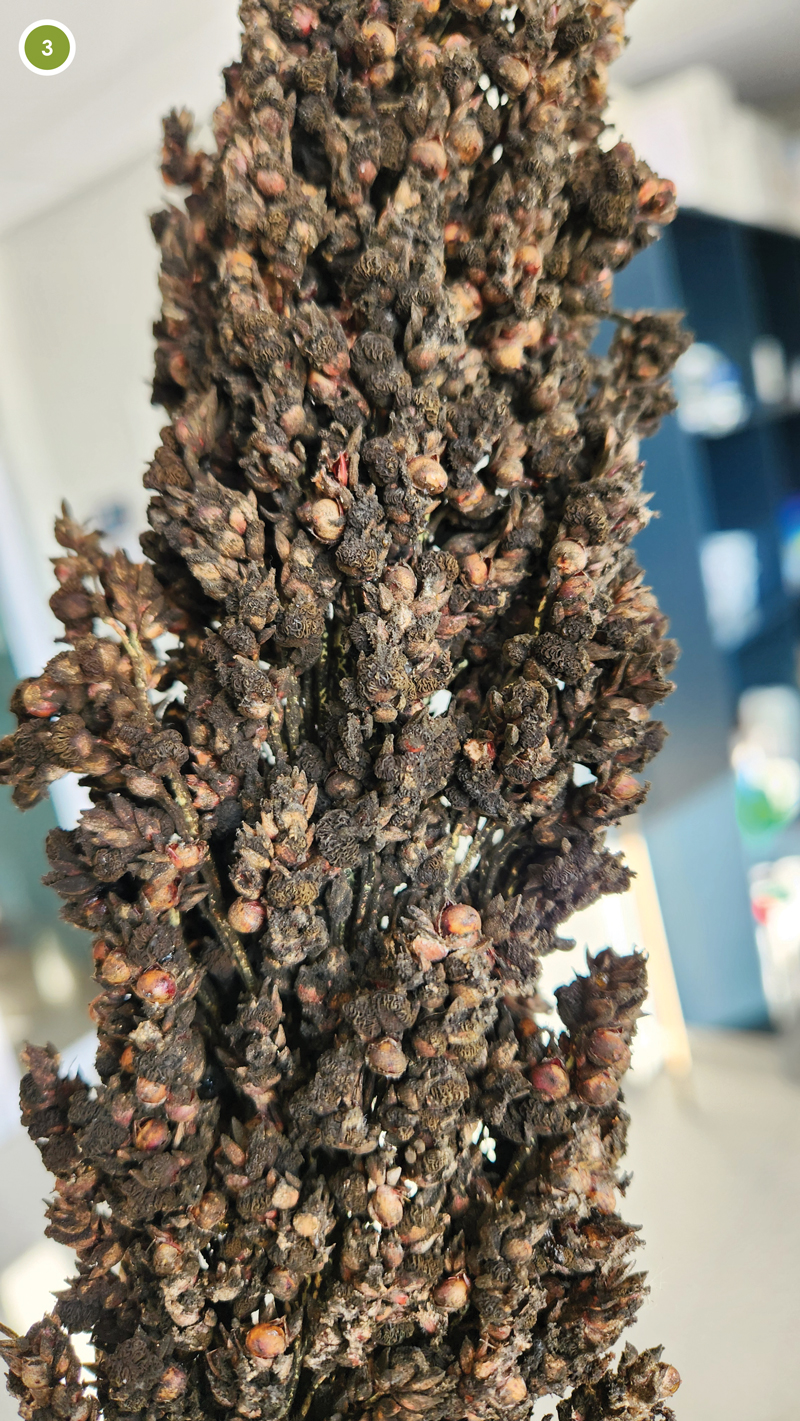
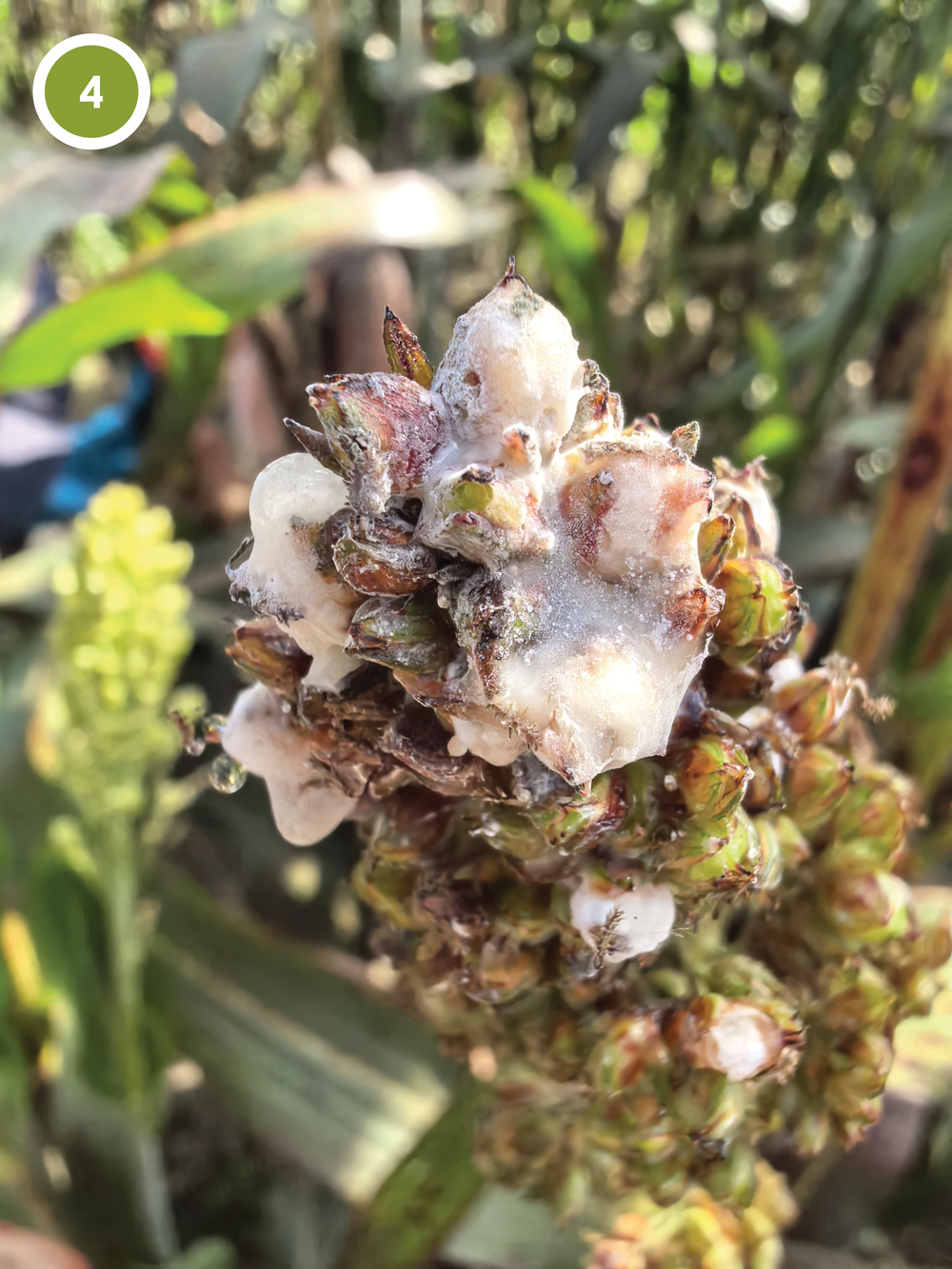
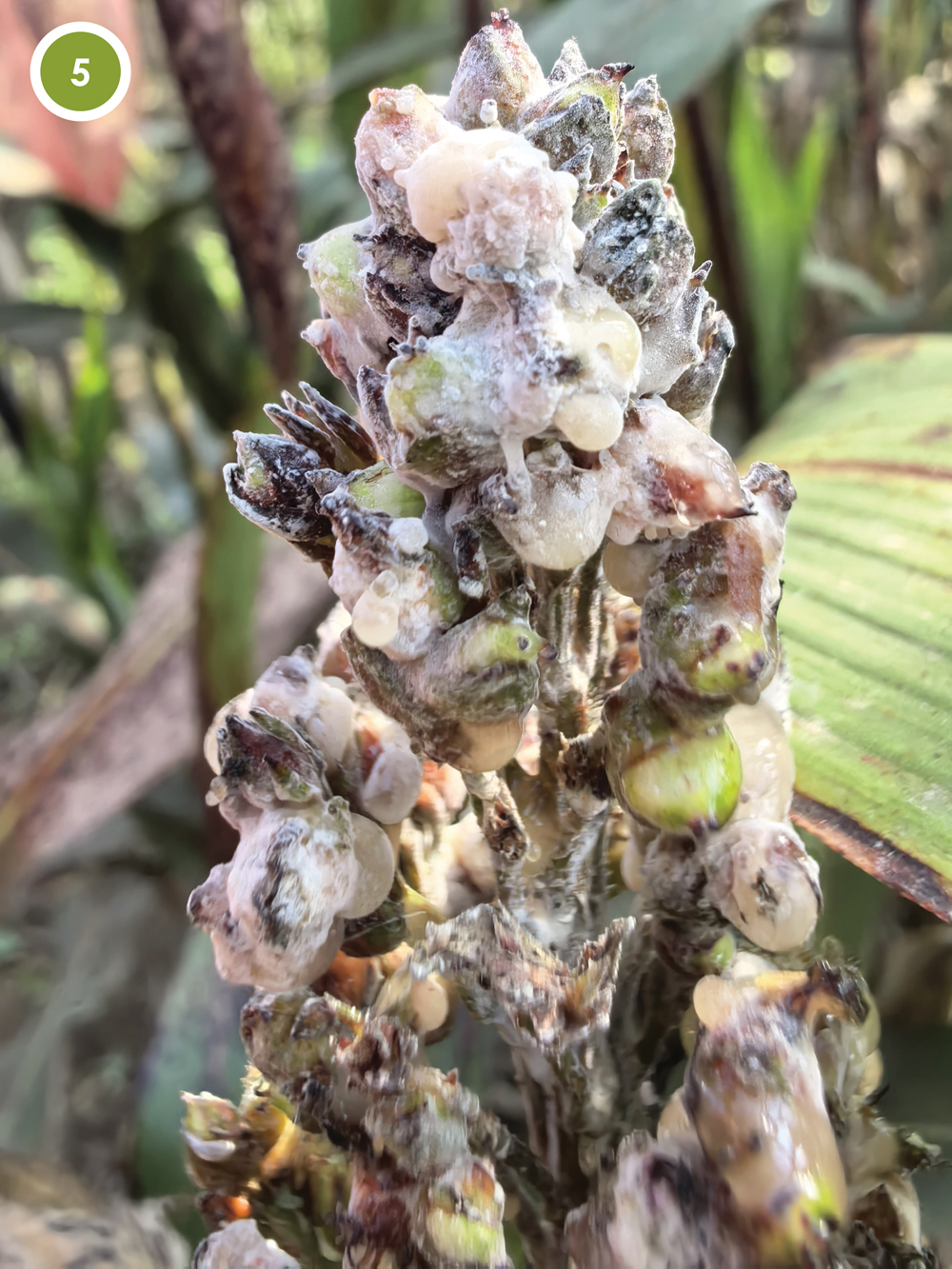
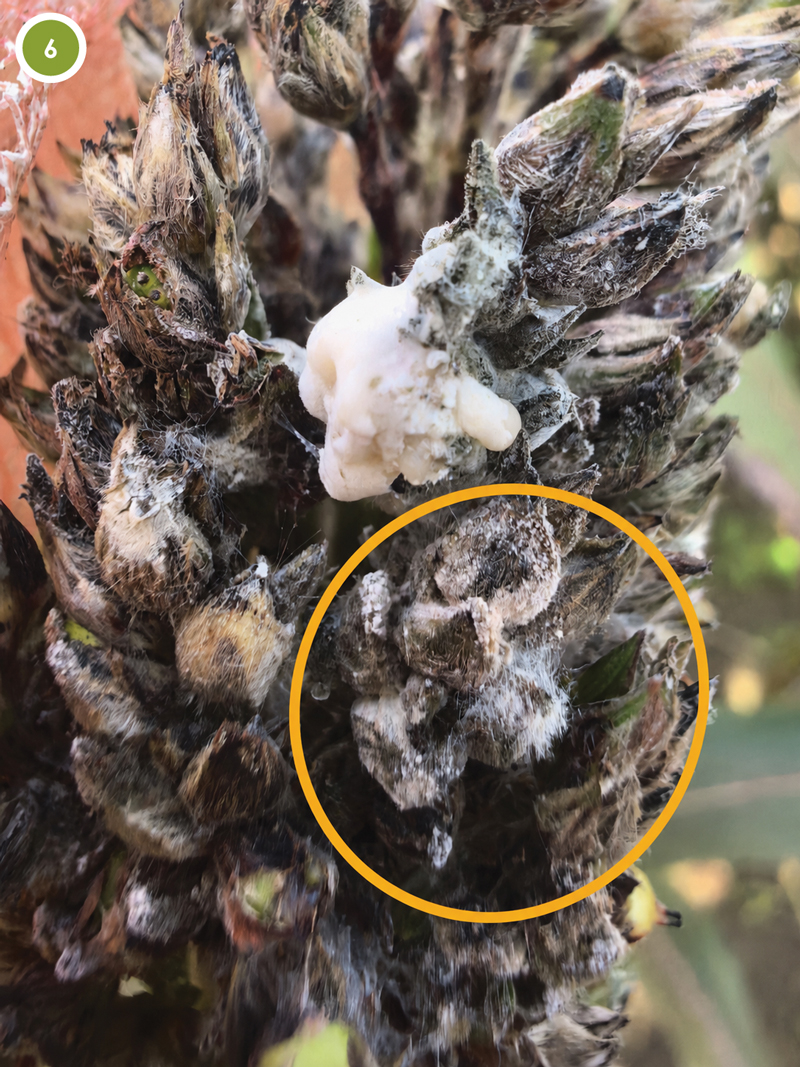
The first visible symptoms are cream-white to grey fungal bodies, known as sphaecelia (Photo 5), protruding from the florets where the seed would normally develop. These structures produce sticky, sweet honeydew (Photo 4) that drips down the panicle onto leaves and the soil. The honeydew contains spores that can spread the disease to other unfertilised florets. Under certain conditions, hardened dark structures known as sclerotia may develop (Photo 3). The honeydew can also become colonised by other fungi, resulting in mold-covered panicles (Photo 6).
Unlike leaf blight, for which fungicides form part of an integrated management approach, no registered fungicide control is currently available for ergot in South African sorghum production. Management, therefore, relies primarily on prevention. Producers should avoid late planting where possible, monitor flowering crops closely, and use less susceptible cultivars when available. Producers are also encouraged to report unusual or severe ergot outbreaks to the University of the Free State Plant Disease Clinic (under the supervision of Dr Lisa Rothmann; 079 270 9691 or coetzeeLA@ufs.ac.za). Reporting outbreaks helps to diagnose, survey, and monitor the distribution and occurrence of ergot in South African sorghum production, ultimately supporting future research and management recommendations.
For the future, continued cultivar screening, understanding pathogen diversity, investigating potential management options, and disease surveillance will be essential to prevent highly susceptible material from allowing ergot to re-emerge as a major industry problem. Current research efforts within the research group are focusing on identifying fungi associated with grain mold as well as evaluating potential fungicides against ergot to inform future disease management recommendations. Sorghum breeding programmes within the seed industry are also working to develop cultivars with improved tolerance to ergot and other important diseases.
Conclusion
Taken together, the three-year surveys show that sorghum disease risk cannot be understood from a single field, production region, or growing season. Disease occurrence and severity varied with cultivar susceptibility, crop stage, and prevailing environmental conditions, while the diversity of fungi recovered from grain highlighted the need to consider both crop health and final grain quality. Although the absence of detectable mycotoxins in the selected samples was reassuring, continued surveillance remains important.
For producers, the value of these surveys lies in supporting earlier disease recognition, more targeted management decisions, and the avoidance of unnecessary interventions. Continued collaboration among producers, seed companies, and researchers will be essential for tracking changes in disease patterns, evaluating cultivar responses, and developing practical recommendations suited to South African sorghum production.
The authors acknowledge funding from the Sorghum Trust and the National Research Foundation Thuthuka Grant (TTK220323450), and also thank Sorgho and the producers who participated in the research.
Read more about the cultivar evaluation field trial here.
Read more about the efforts being made in the industry from a producers’ day recently hosted here.