



Dr Lisa Rothmann,
Department of Plant Sciences, Plant Pathology, University of the
Free State

Jabulile Mahlangu,
research intern,
Grain SA
Soybean is affected by several Cercospora diseases worldwide, with Cercospora leaf blight (CLB) and purple seed stain (PSS) being the two main Cercospora-associated problems affecting production in South Africa. An important challenge with these diseases is that infection can occur well before symptoms become obvious, making the disease development difficult to detect early in the season.
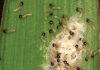
Wet conditions favour infection, but symptoms may only become noticeable much later, with the fungus able to remain hidden in the plant for up to 90 days. The first symptoms of CLB are usually a purplish-bronze tinge or small purplish-tan spots on the leaves. As the disease progresses, these spots become darker and develop into areas of dead leaf tissue (Figure 1A).
Under severe disease pressure, affected leaves can die and drop prematurely, greatly reducing the plant’s ability to produce the energy needed for grain filling and potentially resulting in yield losses. As the lesions mature and produce spores, the pathogen can spread to other parts of the plant, including the developing pods.
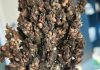
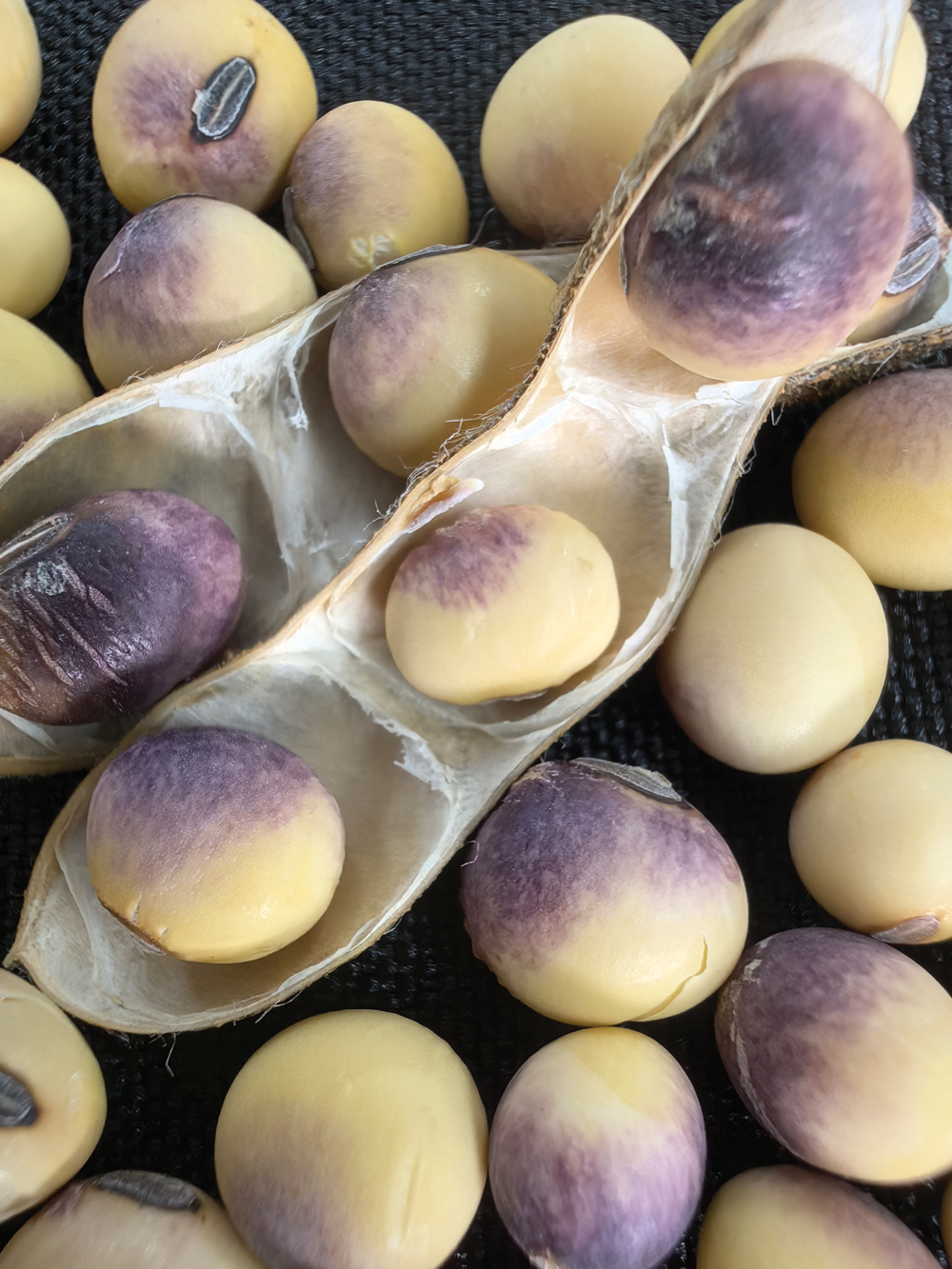
Infected pods typically develop purple spots that become deep purple/black as the fungus produces spores. Infection of the developing seed can subsequently result in PSS, characterised by distinctive purple blotches on the seed surface (Figure 1B). This purple colouration is associated with the accumulation of cercosporin, a red-purple, light-activated phytotoxin produced by the Cercospora. When exposed to light, cercosporin generates reactive oxygen species that are toxic to the plant and damage the cells and contribute to symptom development. PSS has been associated with reduced germination and seed vigour, while internationally, severe staining can also affect seed grade and market value.
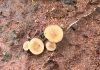
The pathogen can survive between seasons in infected seed and crop residues, providing a source of inoculum for the following crop. This can be particularly important in conservation agriculture or reduced-tillage systems, where infected crop residues remain on or near the soil surface and may allow the pathogen to persist from one cropping season to the next (Figure 1C).
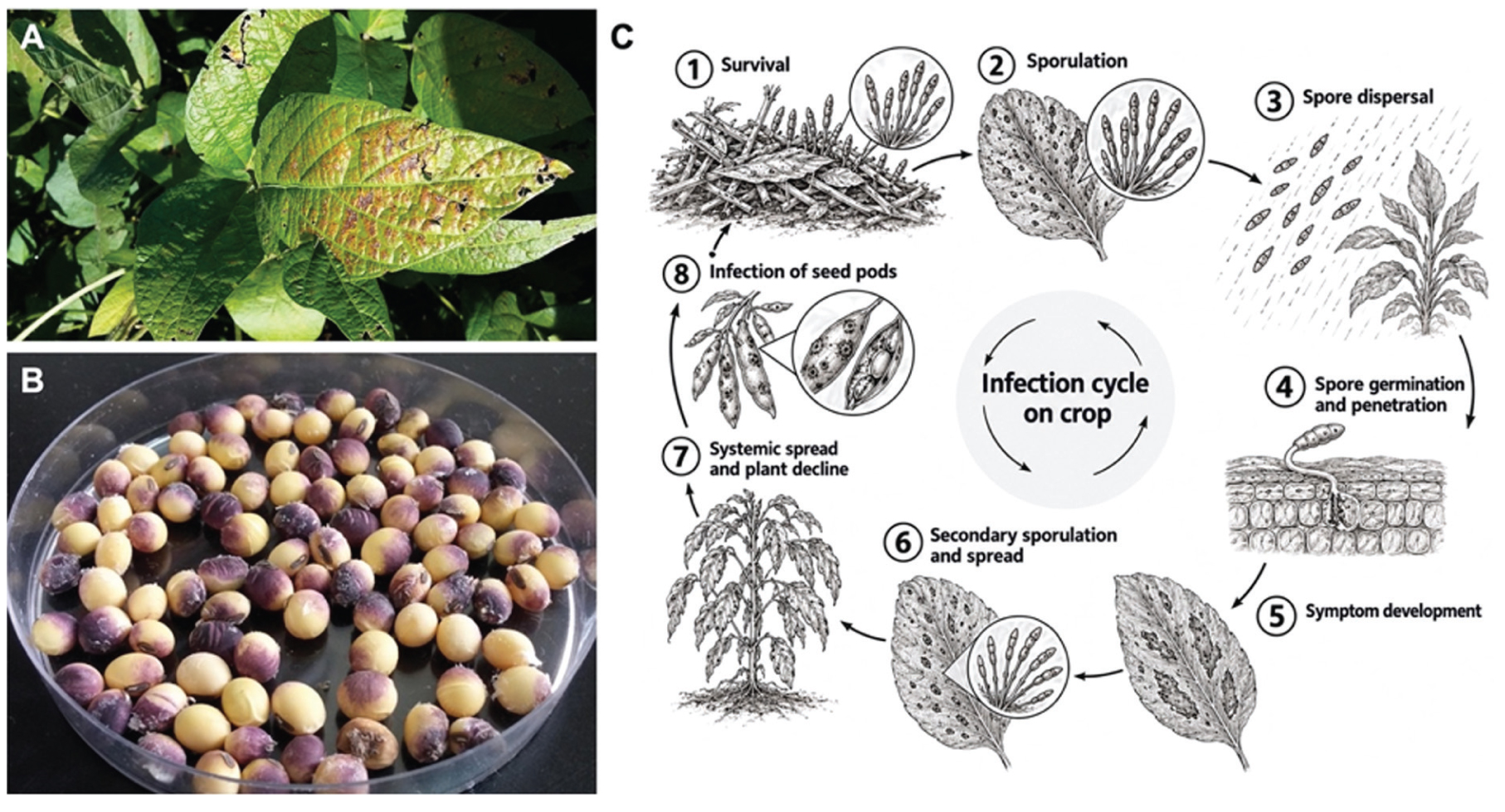
Image credits for (A) and (B): Francisco Sautua, via Wikimedia Commons.
Although CLB and PSS are closely related manifestations of Cercospora infection, they do not necessarily occur together. The severity of CLB symptoms on the leaves is therefore not always a good indication of the level of PSS that may develop in the seed. In other words, seeing CLB symptoms in a field does not necessarily mean that the harvested seed will show PSS, while PSS may also occur where foliar CLB symptoms are limited or absent.
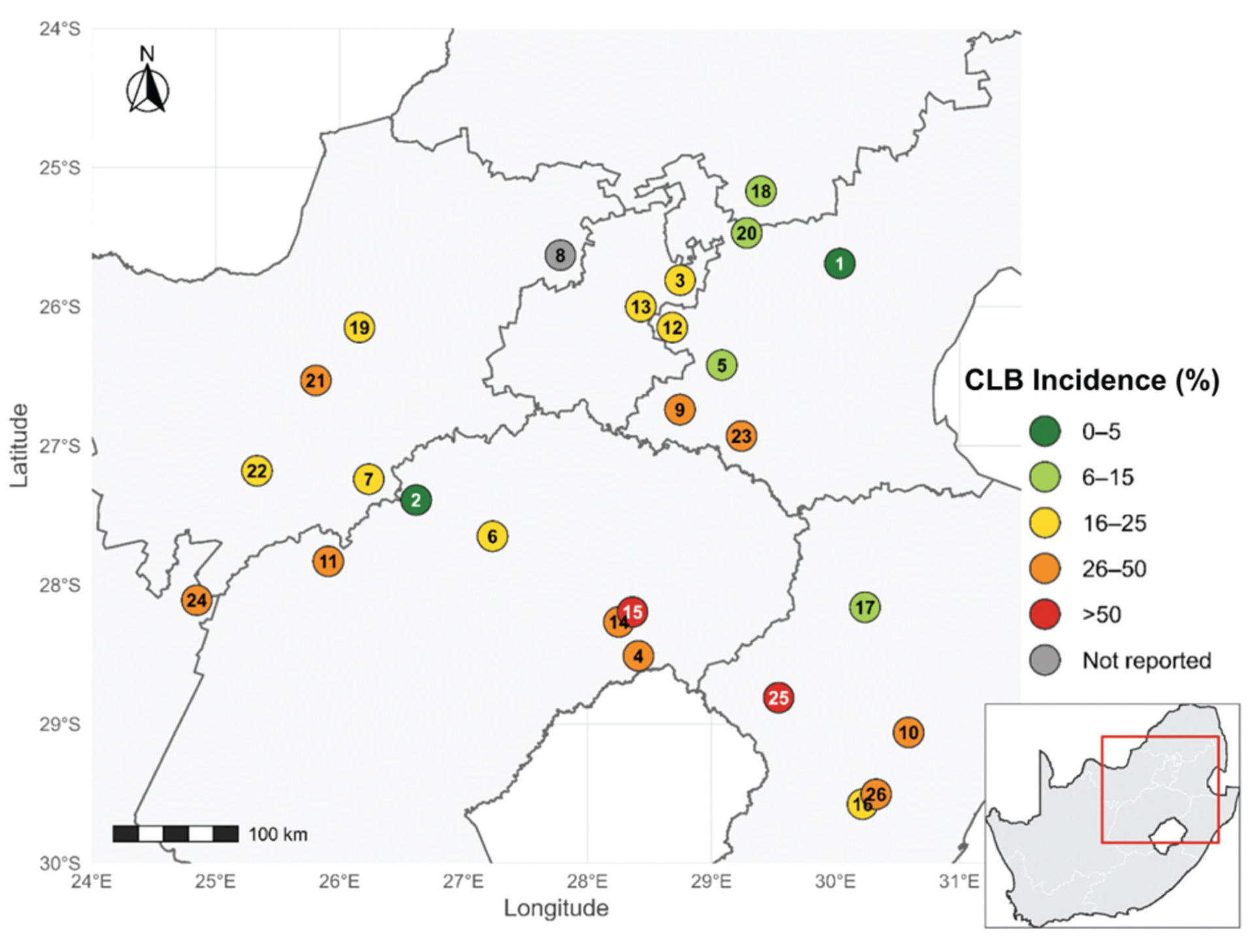
Both CLB and PSS occur widely across the soybean-growing regions of South Africa and are among the diseases most frequently detected during soybean field surveys conducted as part of the national cultivar trial disease surveillance programme. The surveillance programme, conducted by the University of the Free State at ARC-Grain Crops trial sites, provides valuable information on the distribution and prevalence of these diseases (Figure 2).
What does CLB/PSS mean for producers?
PSS is primarily a seed-quality concern for producers. When infection occurs late in the season and reaches the developing seed, the characteristic purple discolouration can develop. Of particular concern is the effect that infection may have on seed germination and vigour. While earlier research suggested that PSS did not affect germination, more recent work indicates that infected seed can have lower germination potential and reduced seedling vigour compared with healthy seed. This means that using heavily infected seed as farm-saved seed could increase the risk of poor or uneven crop establishment in the following season.
This makes seed testing for germination and vigour particularly important when purple-stained seed is present. Where affected seed is used, the results of seed testing can help producers determine whether adjustments to planting parameters, such as seeding rate or planting density, may be necessary to achieve an adequate plant population.
Infected seed can also contribute to disease carry-over between seasons by increasing the amount of Cercospora inoculum entering the production system. When infected seed is planted, the pathogen is carried into the following crop and may provide an early source of infection. Infected crop residues can add further inoculum, particularly in reduced tillage systems. Where susceptible soybean crops are repeatedly grown, these sources may contribute to increasing inoculum pressure within the field over time.
Beyond its effects on seed performance, PSS may also have implications for the quality and marketability of harvested grain. Internationally, discoloured grain has been associated with poorer processing quality and reductions in grading or price deduc-
tions, potentially affecting the value of the harvested crop. Research has also indicated that PSS can alter the nutritional composition of soybean seed, with infected seed typically showing higher protein levels and lower oil content. While the implications of these changes for processing and end use require further investigation, they reinforce that PSS should not simply be viewed as a cosmetic blemish, particularly as its effect on soybean grading, price deductions, and marketability under South African conditions remains unclear and warrants further investigation.
Although PSS may alter certain characteristics of the seed, there is currently no infor-
mation to indicate a potential mycotoxin risk associated with PSS. The role of cercospo-
rin as a phytotoxin, however, should not be confused with the presence of a mycotoxin hazard in harvested grain. At present, cercosporin is regarded primarily as a virulence factor involved in disease development rather than an established mycotoxin risk in soybean.
 Integrated disease management approach
Currently, no seed treatment options are available for managing PSS in South Africa. Management should therefore focus on reducing disease pressure through the use of healthy, certified seeds and the integration of cultural control practices. Where PSS has been a recurring problem, particular attention should be given to practices that reduce inoculum carry-over and limit conditions favourable for infection.
The use of disease-free or certified seed is recommended to minimise carry-over of the pathogen into subsequent seasons. Where farm-saved seed is used, seed lots should be carefully inspected, and only clean, uncontaminated seeds should be planted. Using contaminated seed can introduce the pathogen into a field and contribute to inoculum build-up through infected seedlings.
Crop rotation with non-host crops, such as maize, small grains, or other cereals, should also be incorporated into an integrated disease management programme. Cultivar selection is an additional factor influencing disease incidence and severity. Responses to CLB and PSS can vary among cultivars, and fully resistant cultivars are limited. How-
ever, information on locally available cultivars is limited and requires further investigation.
During the growing season, regular field monitoring and scouting can help producers assess the level of CLB and PSS risk in field, anticipate possible seed-quality concerns at harvest, and identify fields where inoculum carry-over may influence disease risk in the following seasons. Key symptoms include characteristic purple to pink discolouration of the seed coat during the reproductive growth stages, as well as purple-bronze blighting in the upper leaf canopy.
In fields with a history of CLB and/or PSS, foliar fungicide applications should be consi-
dered, as application timing is critical for reducing seed infection and limiting disease incidence. Applications must be made according to the registered product label, inclu-
ding the specified active ingredient, recommended application rate, and prescribed timing. Registered active ingredients available for CLB management include, among others, azoxystrobin and difenoconazole. As product registrations and label recommen-
dations may change, users should always consult the most current product label before application.
After harvest, residue management practices, including tillage or shredding of soybean residues, can accelerate the residue breakdown and reduce the amount of infected plant material remaining at the soil surface, thereby lowering the carry-over inoculum and risk of infection in the next soybean crop.
Summary
CLB and PSS are more than late-season cosmetic diseases: both can affect crop performance as well as the quality of harvested seed, while also contributing inoculum to the next crop. For producers, the focus should be on reducing inoculum pressure and disease risk through healthy seed, crop rotation, residue management, and careful field monitoring. Continued South African research on cultivar response, seed-quality impacts, grading implications, and registered management options will be important for developing clearer, locally relevant recommendations.
References
-
- Sautua, FJ, Pizá, MCP, Scandiani, MM & Carmona, MA. 2024. Cercospora leaf blight and purple seed stain of soybean: A permanent challenge. Plant Pathology, 73, 1981-2004.
- Albu, S, Schneider, RW, Price, PP & Doyle, VP. 2016. Cercospora cf. flagellaris and Cercospora cf. sigesbeckiae Are Associated with Cercospora Leaf Blight and Purple Seed Stain on Soybean in North America. Phytopathology, 106, 1376-1385.
- Turner, RE, Ebelhar, MW, Wilkerson, T, Bellaloui, N, Golden, BR, Irby, JT & Martin, S. 2020. Effects of Purple Seed Stain on Seed Quality and Composition in Soybean. Plants, 9, 993.
- Giesler, LJ. Purple seed stain. University of Nebraska-Lincoln Institute of Agriculture and Natural Resources, CROPWATCH. https://cropwatch.unl.edu/plant-disease/soybean/purple-seed-stain/