


In South Africa’s summer rainfall regions, characterised by dry winters and hot, dry summers, many producers face the same challenge: How do you make marginal and degraded land profitable without continually increasing inputs and risk?
For decades, the common response was to apply more fertiliser, plant better cultivars, and hope for a favourable season. While these tools remain important, rising input costs and increasingly variable weather patterns have forced producers to re-evaluate whether every hectare should remain in crop production.
The reality is that low-potential and degraded soils are not necessarily low-value soils. With a focus on regenerative and conservation agriculture (CA), soil health and restoration, including practices like cover crops and strategic livestock integration, these hectares can often deliver a more reliable and profitable return on investment (ROI) than high-risk cropping systems.
Soil health is not a luxury, it is a profit driver
Healthy soils are the foundation of profitable agriculture.
When soil organic matter declines, several problems follow, including:
- reduced water infiltration;
- increased runoff;
- lower nutrient availability;
- more compaction;
- poor root development; and
- reduced biological activity.
In a climate where rainfall is often limited and unpredictable, every millimetre of rain that runs off a field represents lost production potential.
Research by Dube, Chiduza and Muchaonyerwa (2012)¹ in South Africa demonstrated that winter cover crops such as oats and grazing vetch significantly improved soil organic matter fractions compared with weedy fallow systems under CA. These improvements contribute to better soil function and resilience
over time.
Similarly, the USDA Natural Resources Conservation Service² reports that cover crops can improve water infiltration, increase soil organic matter, and support beneficial soil biology.
In simple terms, healthy soils make better use of rainfall, grow healthier plants, and reduce dependence on expensive corrective inputs.
Cover crops: a crop that pays twice
Many producers still view cover crops purely as a soil improvement practice and expense. That is only half the story. A well-designed cover crop should provide two returns, namely:
- a biological return through improved soil health; and
- an economic return through grazing and meat production.
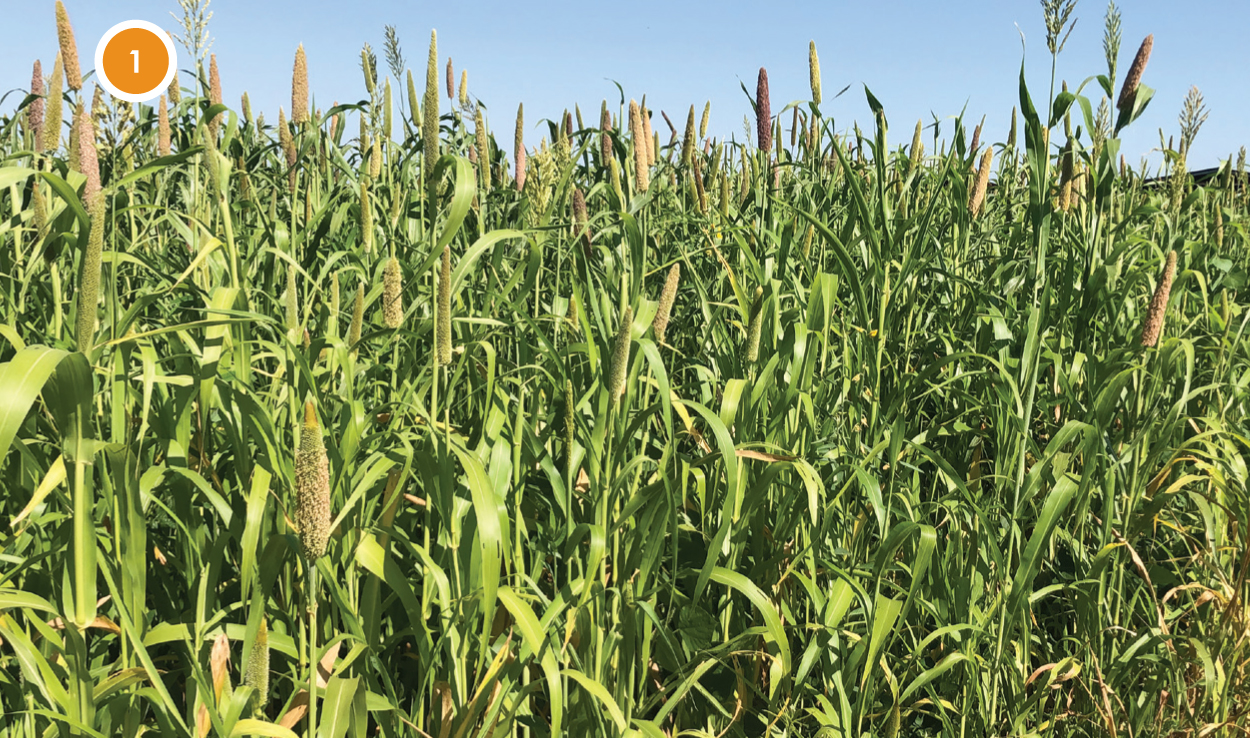
Cover crop systems can be used in different ways, and multi-species mixtures with grasses, legumes, and brassicas/broadleaves are always preferred. These systems are usually established in the summer, winter and/or as intercrops. Examples of the different systems and mixtures are shown below:
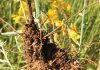
- summer grasses: forage sorghum, millet (Photo 1)
- summer legumes: cowpeas, Sunn hemp, Dolichos
- summer broadleaves: sunflower
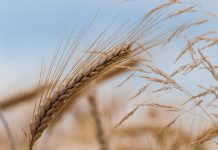
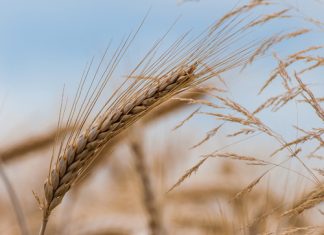
- winter grasses: oats, rye, triticale, wheat (Photo 2)
- winter legumes: vetch, serradella
- winter brassicas: rape, radish, turnip
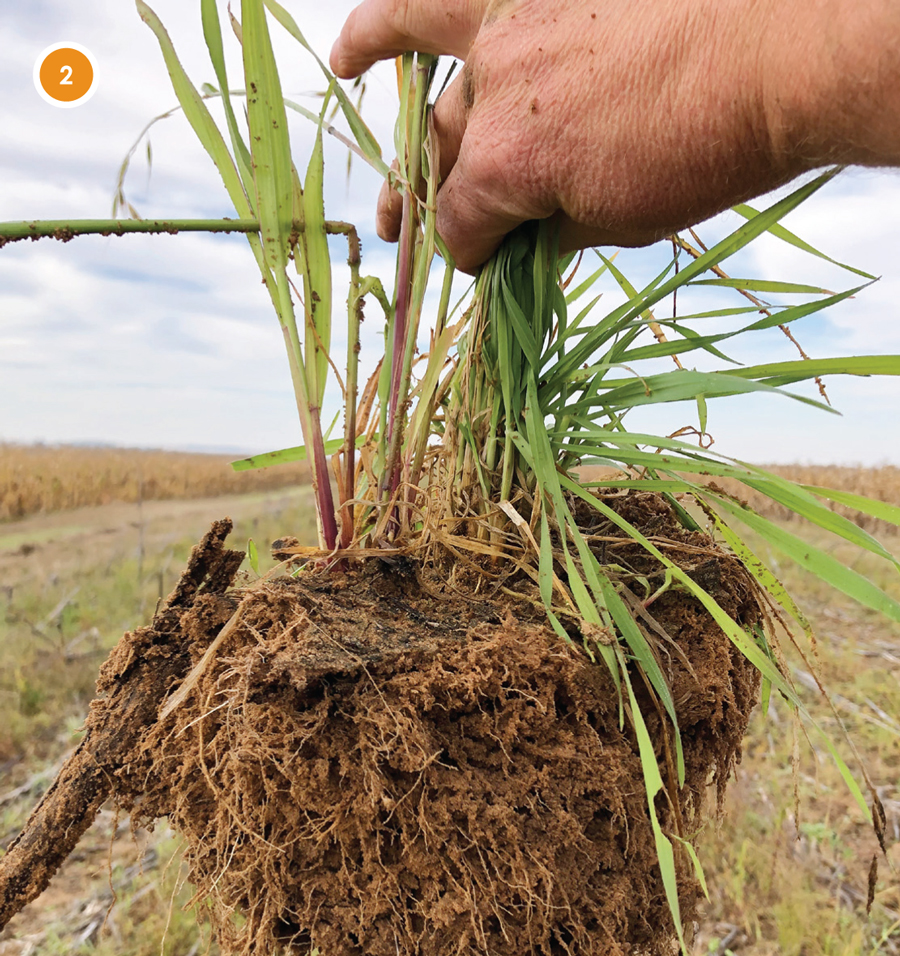
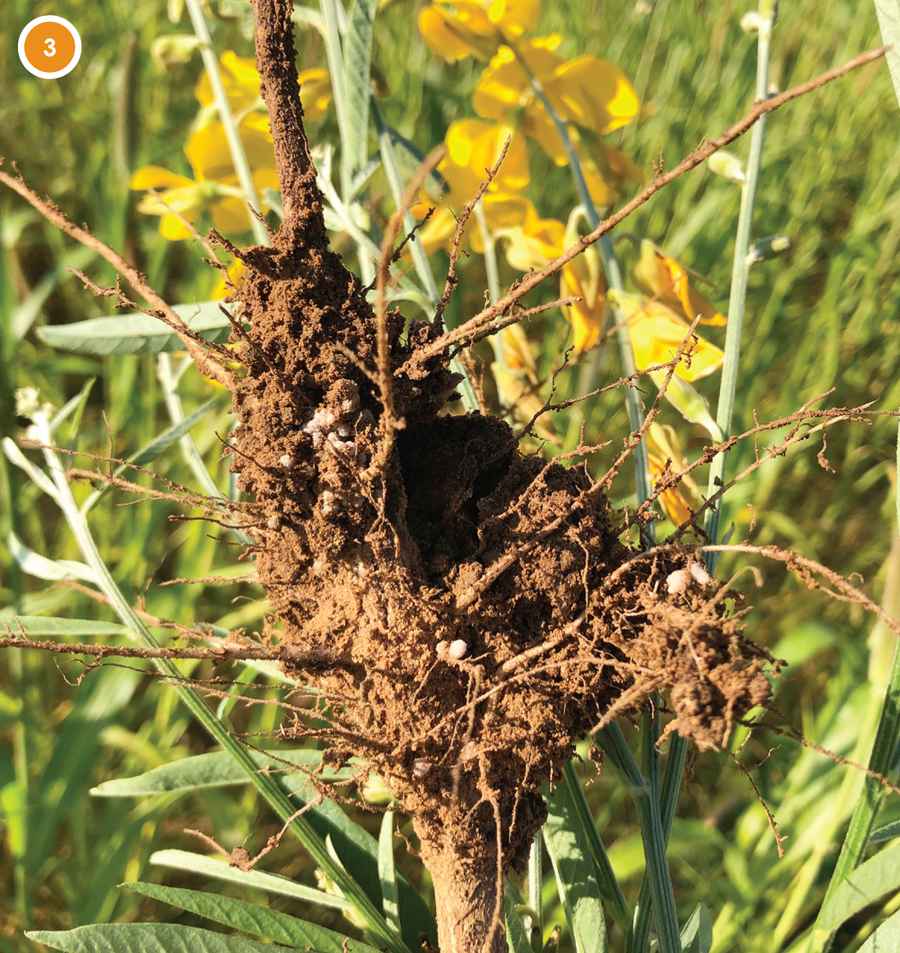
Each species contributes something different according to their specific physiological and growth characteristics. Some improve soil structure, legumes fix nitrogen, while some produce large amounts of below- and above-ground biomass and are excellent pasture crops.
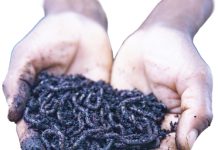
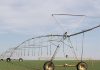
A review published in the South African Journal of Agricultural Extension³ found that leguminous cover crops improve soil physical, chemical, and biological properties while also enhancing forage quality and livestock productivity (Photo 3). The authors further noted that these benefits can reduce feed costs and overall production expenses. This emphasised that cover crops is one of several good regenerative farming practices with the potential to generate immediate and long-term returns simultaneously.
Let the livestock harvest the cover crop
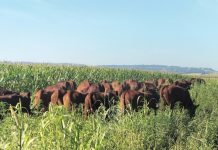
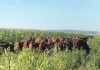
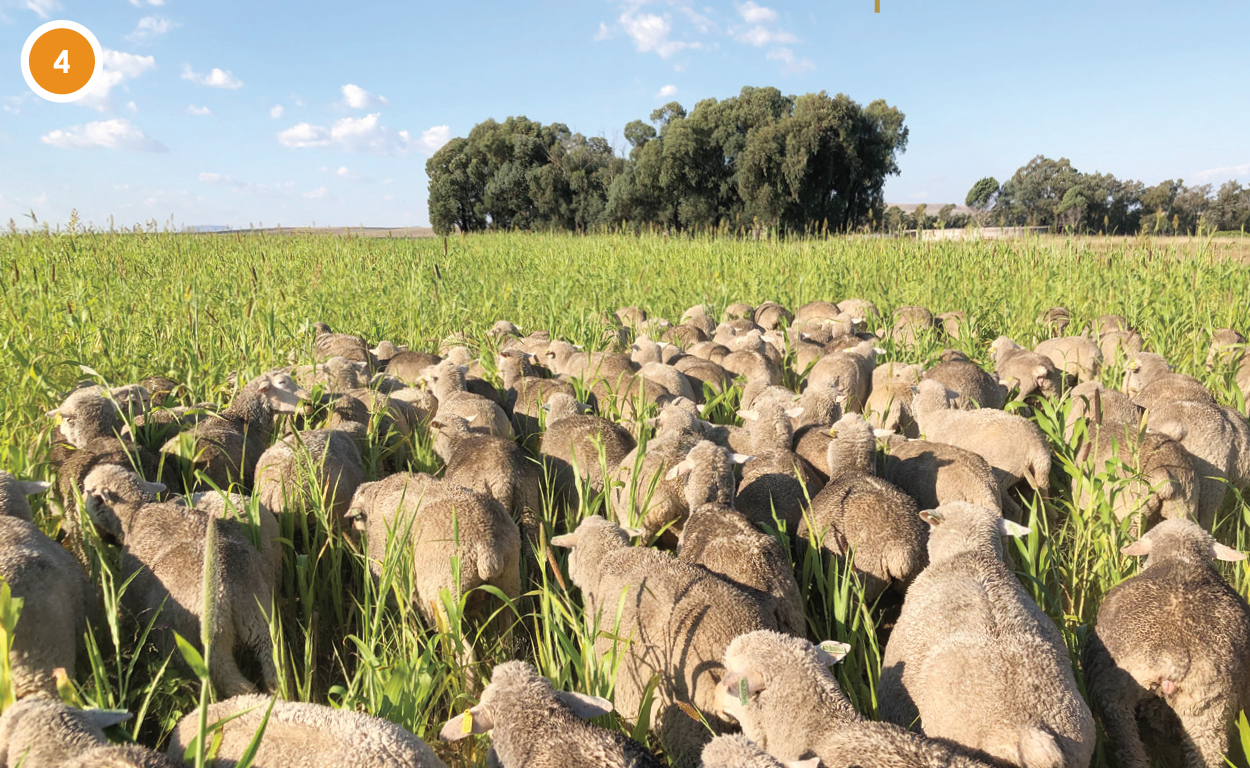
There is an old farming joke that the most expensive feed in the world is the feed that never gets eaten. While humorous, there is a grain of truth in it. Cover crops that are planted, grown, and then terminated without any livestock utilisation may still improve soil health, but part of their value remains unrealised. Livestock convert forage into marketable kilograms of meat while returning nutrients directly to the soil through manure and urine, thereby serving their role in soil restoration (Photo 4).
Buying weaners
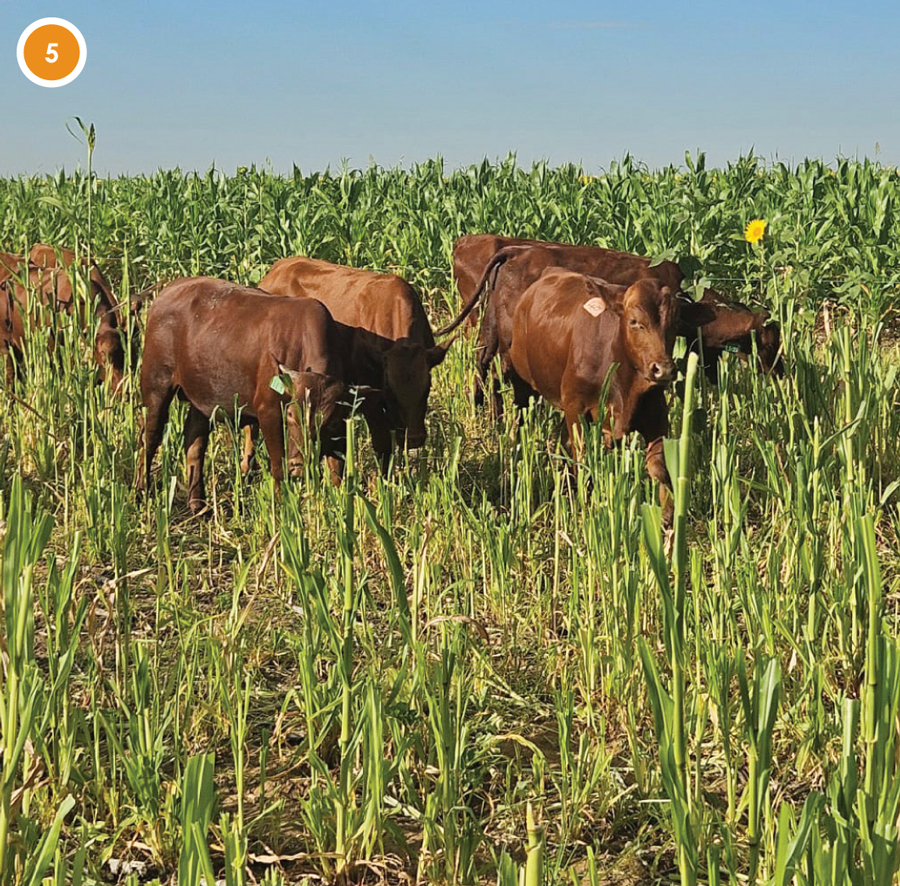
Where quality forage is available, purchasing weaners can be an attractive strategy (Photo 5). The concept is straightforward, and comprises:
- buying weaners at competitive prices;
- utilising home-grown forage or cover crops;
- adding weight efficiently; and
- selling heavier animals.
Unlike grain production, where income depends heavily on rainfall and yield, livestock offers greater flexibility and less risk. When managed correctly, livestock becomes a biological harvesting tool capable of converting low-cost forage into income.
Utilising your own herd
For producers already running breeding herds, the opportunity is often even greater. Improved grazing on cover crops and perennial pastures can result in:
- higher carrying capacity;
- improved conception rates;
- better weaning weights;
- reduced feed purchases; and
- improved drought resilience.
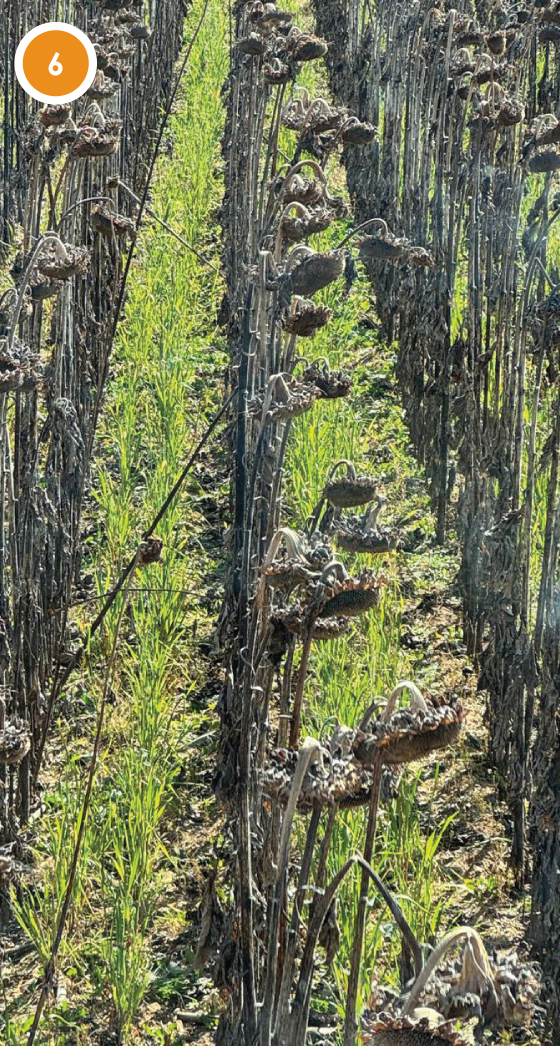
The true value of rehabilitated land is not necessarily measured in tonnes of grain but in kilograms of beef produced per hectare, or a combination of both when intercropping is practised with maize or sunflower. The latter practice has shown to be the most profitable when done successfully, since it realises two incomes per season – from grain and meat (Photo 6).
The highest yield is not always the highest return
A field producing a disappointing grain yield can sometimes become one of the farm’s best-performing financial assets when converted into a livestock enterprise. The question is whether some cropping land should be converted to permanent grazing. The honest answer is yes, since every farm has land that:
- has poor or marginal soils for crop production;
- delivers poor yields;
- requires heavy fertiliser applications;
- suffers from drought stress; and/or
- generates weak gross margins.
If cropping returns remain marginal and not profitable year after year, converting those fields to permanent grazing is a rational ecological and business decision rather than an emotional one. Permanent pasture or cover crops, proper grazing, and soil restoration offer ecosystem and economic services such as:
- year-round soil cover, living roots, and biomass;
- lower annual input costs and risks;
- reduced erosion;
- greater soil organic matter accumulation;
- improved rainfall infiltration; and
- greater biodiversity.
The goal should be to restore degraded soils and maximise profit from those soils in the longer term, not necessarily to maximise cropped hectares and profits in the short term.
Mob grazing: managing grass and cover crops like a cash crop
Grazing management is where many integrated crop-livestock systems succeed or fail. This is critical to achieve the objectives of soil restoration, increasing profits, and reducing risks (see Photo 5). Unplanned and poorly managed continuous grazing often results in:
- overgrazing of preferred plants (selective grazing);
- uneven manure (dung) distribution;
- reduced root development;
- lower long-term productivity;
- soil degradation; and
- poor financial viability and sustainability.
Well-managed mob grazing, also known as adaptive multi-paddock or planned grazing, follows a different approach of using:
- high stock density;
- short grazing periods;
- long recovery periods (between 6 and 12 months); and
- frequent animal movement (typically moving once a day).
Research by Teague and colleagues4 5 found that well-managed adaptive multi-paddock grazing systems improved pasture productivity and increased soil carbon and nitrogen levels compared with conventional grazing systems. The objective is not simply feeding cattle. The objective is using cattle to build healthy soils and productive grasslands, while having stable, growing profits and less risk.
Electric fencing: the unsung hero
Soil restoration with planned grazing of pasture or cover crops is difficult to implement without effective fencing and water reticulation. Portable electric fencing is often one of the highest-return infrastructure investments available to livestock producers. It allows producers to:
- increase stock density;
- improve pasture utilisation;
- control grazing periods and livestock movement;
- extend recovery periods; and
- build carrying capacity.
Compared with escalating fertiliser and chemical costs, electric fencing frequently represents a relatively modest once-off investment with long-term benefits. It may not be as exciting as a new tractor, but unlike a tractor, it doesn’t require diesel before it starts working for you.
Conclusion
South African producers operate in an environment that rewards efficiency and resilience rather than input intensity. Restoring and improving low-potential soils through cover crops and livestock integration offers an opportunity to increase profitability while reducing production risk.
Evidence is clear: annual or perennial cover crops improve soil health, increase organic matter, and support productive grazing systems¹ ² ³. Likewise, well-managed multi-paddock grazing systems can improve pasture productivity and strengthen soil function over time4 5.
The most profitable use of marginal land may not be forcing another crop harvest from it. It may rather be producing forage, building soil, and converting sunlight into kilograms of meat through a well-managed grazing system.
After all, nature has been growing a diversity of plants successfully for a very long time. Sometimes the smartest business decision is to move a little bit closer to nature and let it help put more money in the pocket.
References
- Dube, E, Chiduza, C & Muchaonyerwa, P. 2012. Conservation Agriculture Effects on Soil Organic Matter on a Haplic Cambisol after Four Years of Maize-Oat and Maize-Grazing Vetch Rotations in South Africa. Soil & Tillage Research.
- USDA Natural Resources Conservation Service (NRCS). Cover Crops for Soil Health.
- Mashece, WI, Sindesi, AO, Silwana, S & Tshuma, F. 2025. Leguminous Cover Crops Increase the Biomass and Nutritive Value of Grasses in South African Soils: A Review. South African Journal of Agricultural Extension.
- Johnson, DC, Teague, R et al. 2022. Adaptive Multi-Paddock Grazing Management’s Influence on Soil Food Web Community Structure. PeerJ.
- Mosier, S et al. 2021. Adaptive Multi-Paddock Grazing Enhances Soil Carbon and Nitrogen Stocks. Journal of Environmental Management.