


ARC-Small Grain
Insects possess a remarkable ability to adapt to a changing environment. They have fast life cycles and can spread fast and effectively to new areas. Because of these abilities insect populations can rapidly become unmanageable ‘pests’ if their natural predators are removed.
In agricultural systems, the environment is changed by the adoption of crop monocultures. By changing the ecosystem in this way, many predators and pollinators are excluded from these systems. In the absence of predation and competition some insect populations can increase above the damaging threshold of the crop. These insect populations can quickly adapt to changing environments. In crop production it is globally accepted that pest management is necessary for healthy and productive crops. Because of their adaptability, pest populations will however also adapt to management practices.
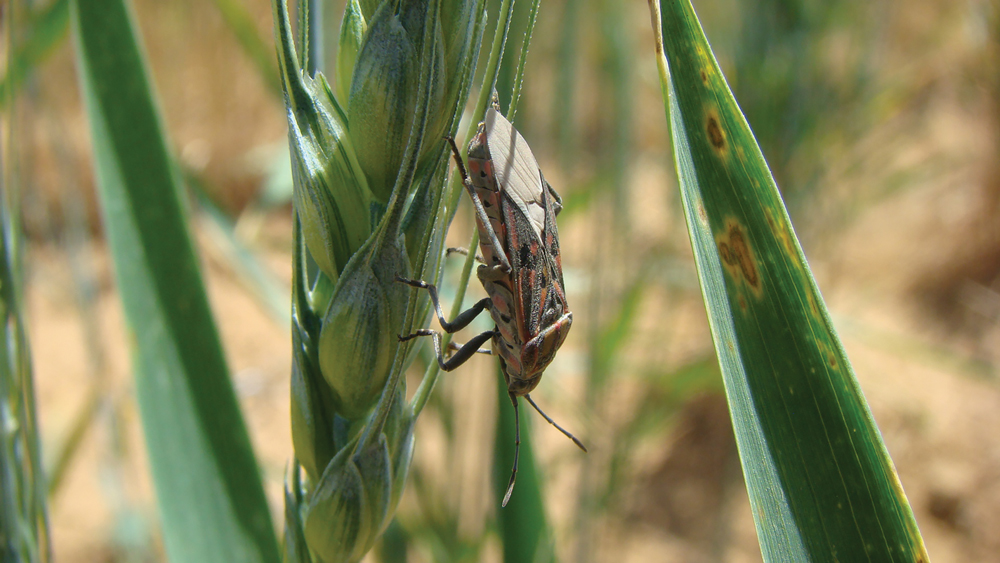
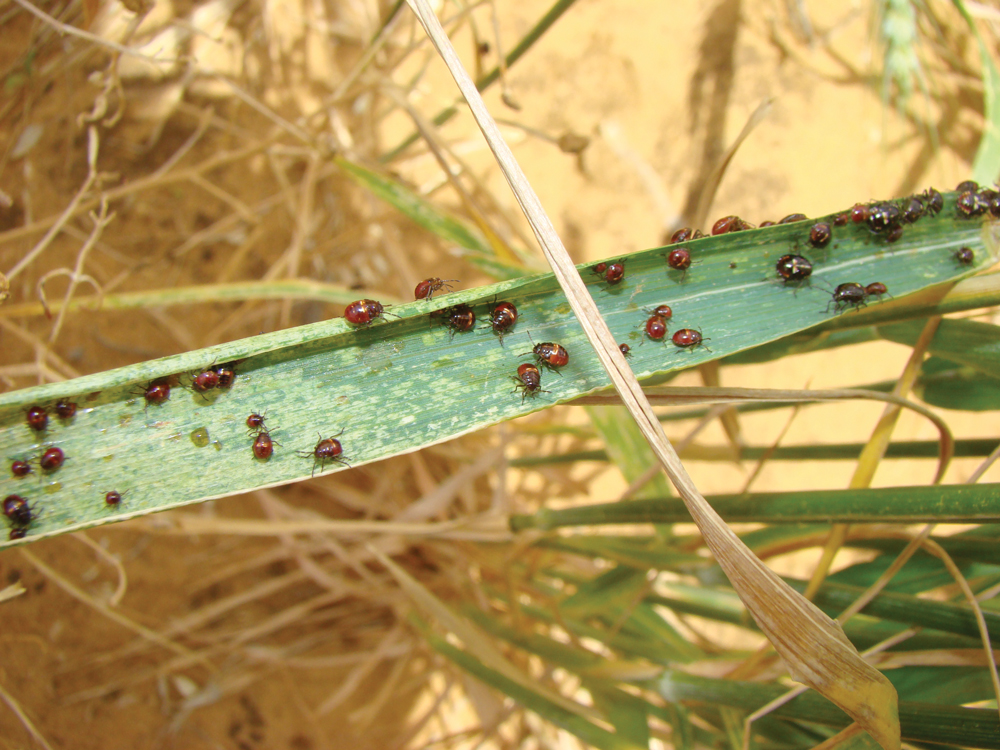
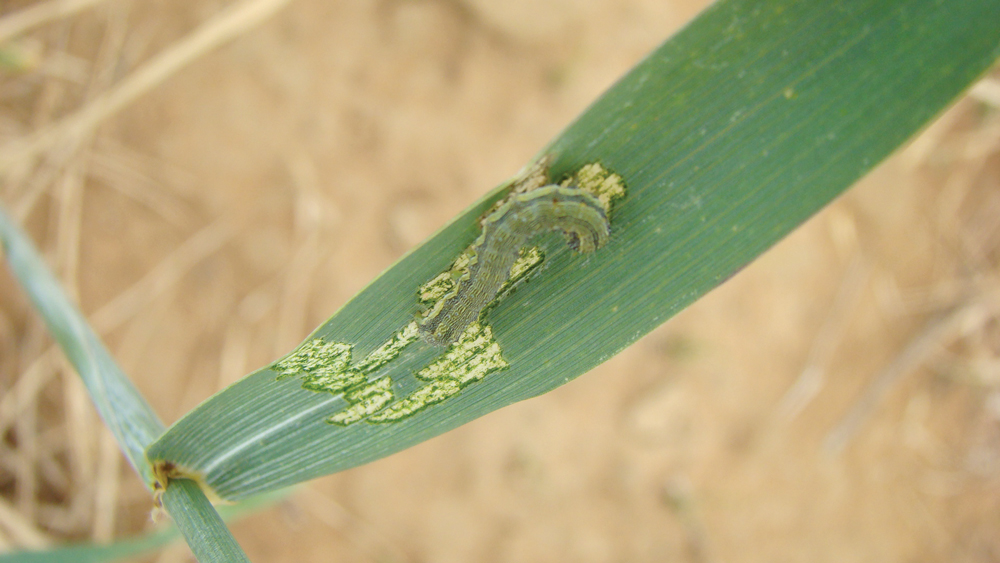
An example of this is Russian wheat aphid (RWA) populations on wheat. These populations adapted over time to genetic resistance in wheat cultivars resulting in six RWA biotypes that are able to overcome the resistance in wheat cultivars in South African wheat production areas. RWA also adapted to chemical control, resulting in widespread loss of sensitivity in RWA populations to commonly used chemical active ingredients in the wheat production regions.
Integrated pest management
Integrated pest management (IPM) is the adoption of new strategies in pest management, but it is not merely the incorporation of different types of pesticides such as biological, natural, organic, and chemical into a management practice. The Food and Agriculture Organisation (FAO) describes IPM as ‘careful consideration of all pest control techniques’.
An IPM programme needs to be well planned and target specific, and should therefore be based on insect pest monitoring and surveys. The first, most critical step in any management programme is to identify the insect pest correctly. This will facilitate the use of more targeted control. Other important factors to consider include the crop and growth stage, feeding damage symptoms of the pest, geographic area, and season. Once the insect is identified correctly, the life cycle and behaviour of the insect and factors contributing to optimal development can be determined. With this knowledge the prevention or control of the insect pest can be planned.
Control practices in IPM usually include agroecological crop protection; mechanical control; cultural control; biological control; and chemical control.
1. Agroecological crop protection
This management practice integrates ecological principles into pest management strategies by utilising practices that enhance natural pest control mechanisms, such as encouraging beneficial insects by planting diverse flower strips and promoting healthy soil.
2. Mechanical control
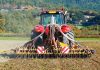
This practice uses physical methods or devices to manage pests such as traps, barriers, and manual removal. In IPM it is considered necessary to plough occasionally to a good depth to bury unwanted pests. This may only be required once in a four-year cultivation cycle and the no-till cultivation practice will still be maintained into long-term plans.
3. Cultural control
Here proactive measures are used to discourage the introduction, establishment, and development of insect pest populations. These measures include crop rotation, ensuring a healthy crop, cultivation of pest-resistant cultivars, and maintaining proper sanitation.
4. Biological control
This management practice relies on the introduction of predators, parasites, and pathogens (fungi, viruses, and bacteria) to keep insect pest populations below damaging thresholds.
5. Chemical control
In IPM, chemical control relies on targeted control where pest species are targeted, while harm to beneficial insects and the environment is minimised. This control measure is only used when necessary and the different active ingredients and classes of insecticides with different modes of action are rotated to prevent development of resistance in the pest population.
 The advantages of IPM in a pest management programme far outweigh the costs of implementing it. Because of the adaptability of pest insects, none of the control practices mentioned can be used in isolation.
Any management practice will cause selection pressure on the insect pest population. This will lead to a change in the population to overcome this selection pressure, resulting in the management practice becoming ineffective. To prevent this the selection pressure can be reduced by rotating the different management practices in a well-planned IPM programme.