


South African Herbi-cide Resistance Initiative (SAHRI), University of Pretoria
Crop rotation systems improve weed management by offering a wider range of herbicide options when used correctly. Alternating chemicals with different mechanisms of action enables producers to target a broader spectrum of weeds and reduce selection pressure for herbicide resistance.
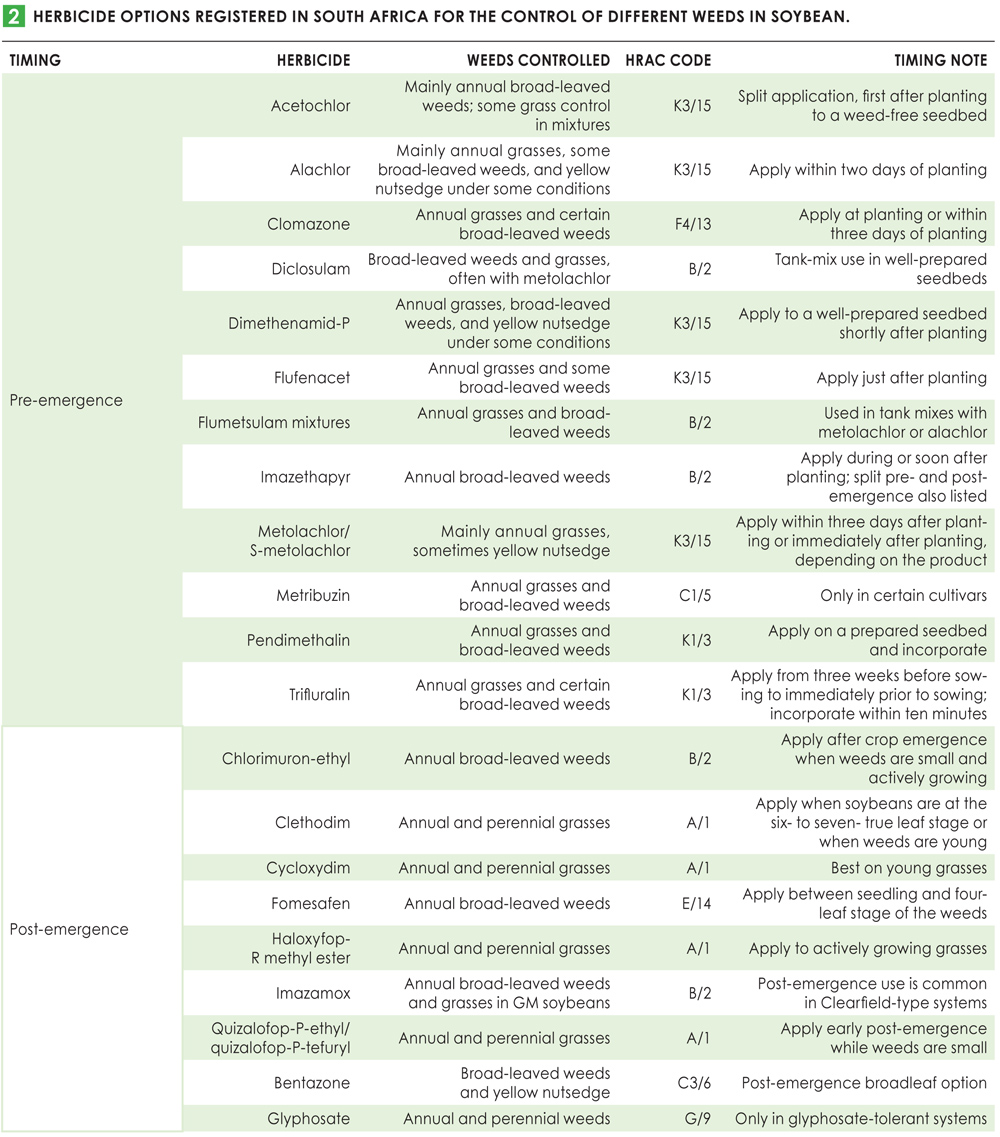
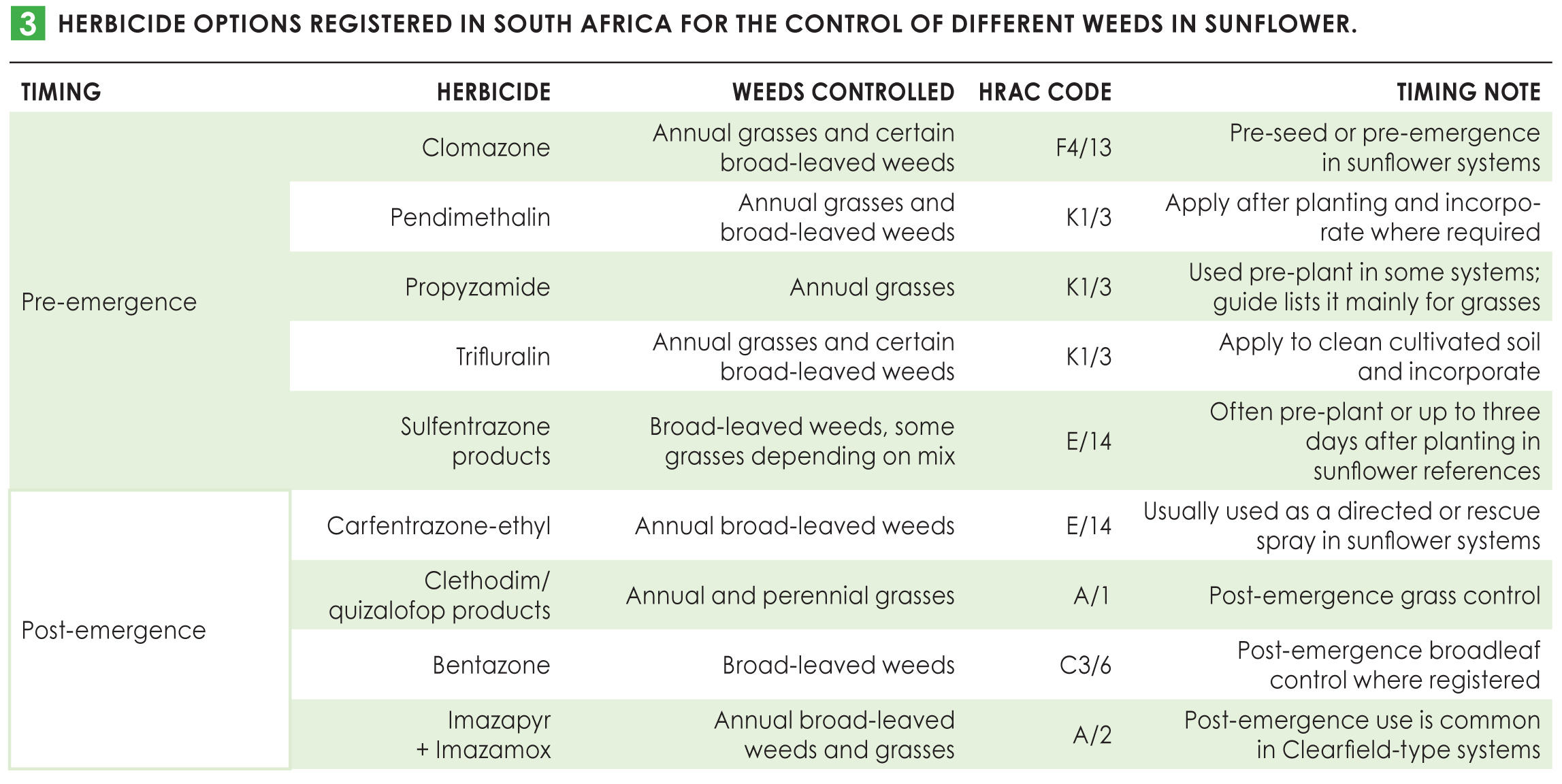
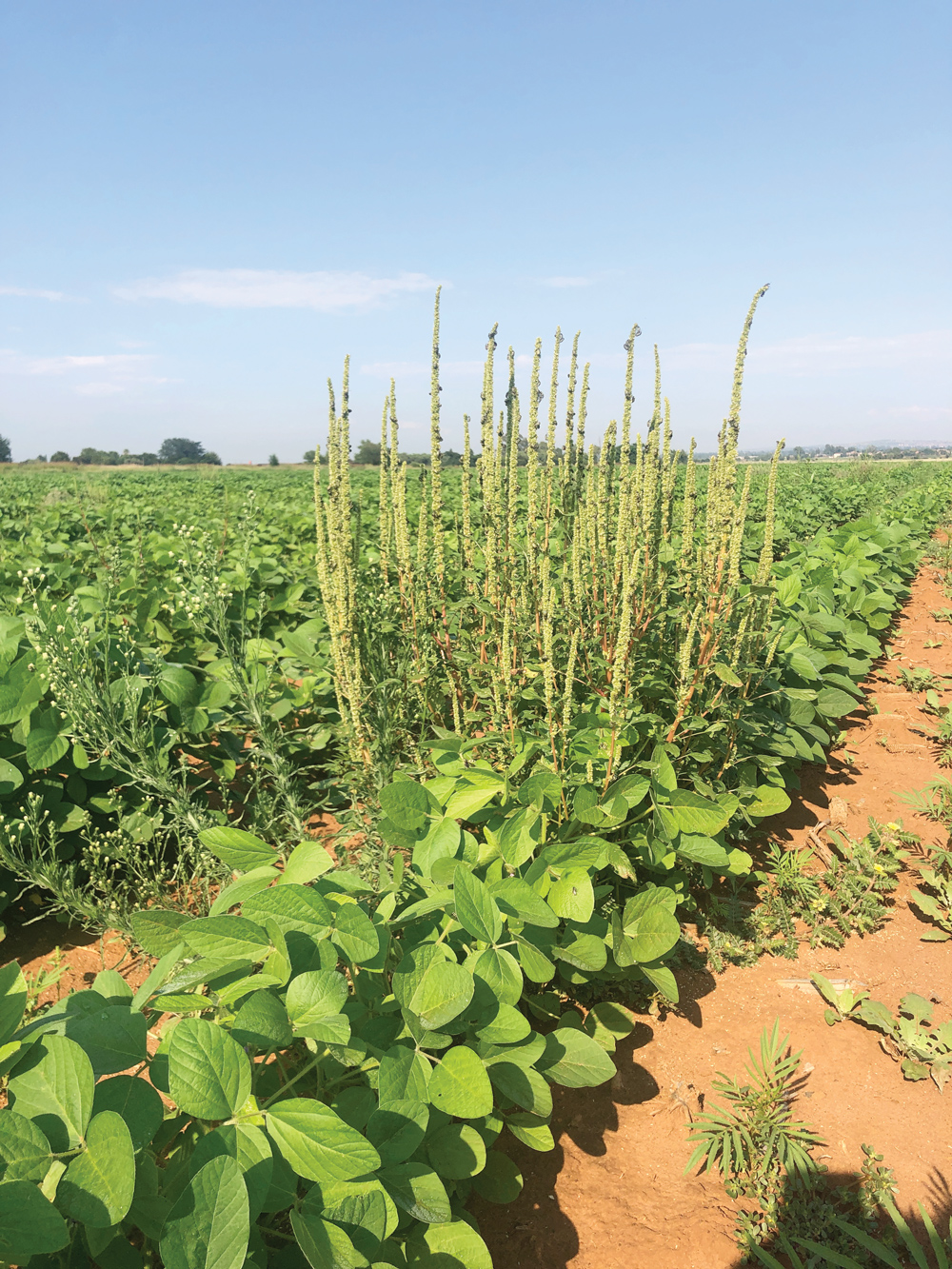
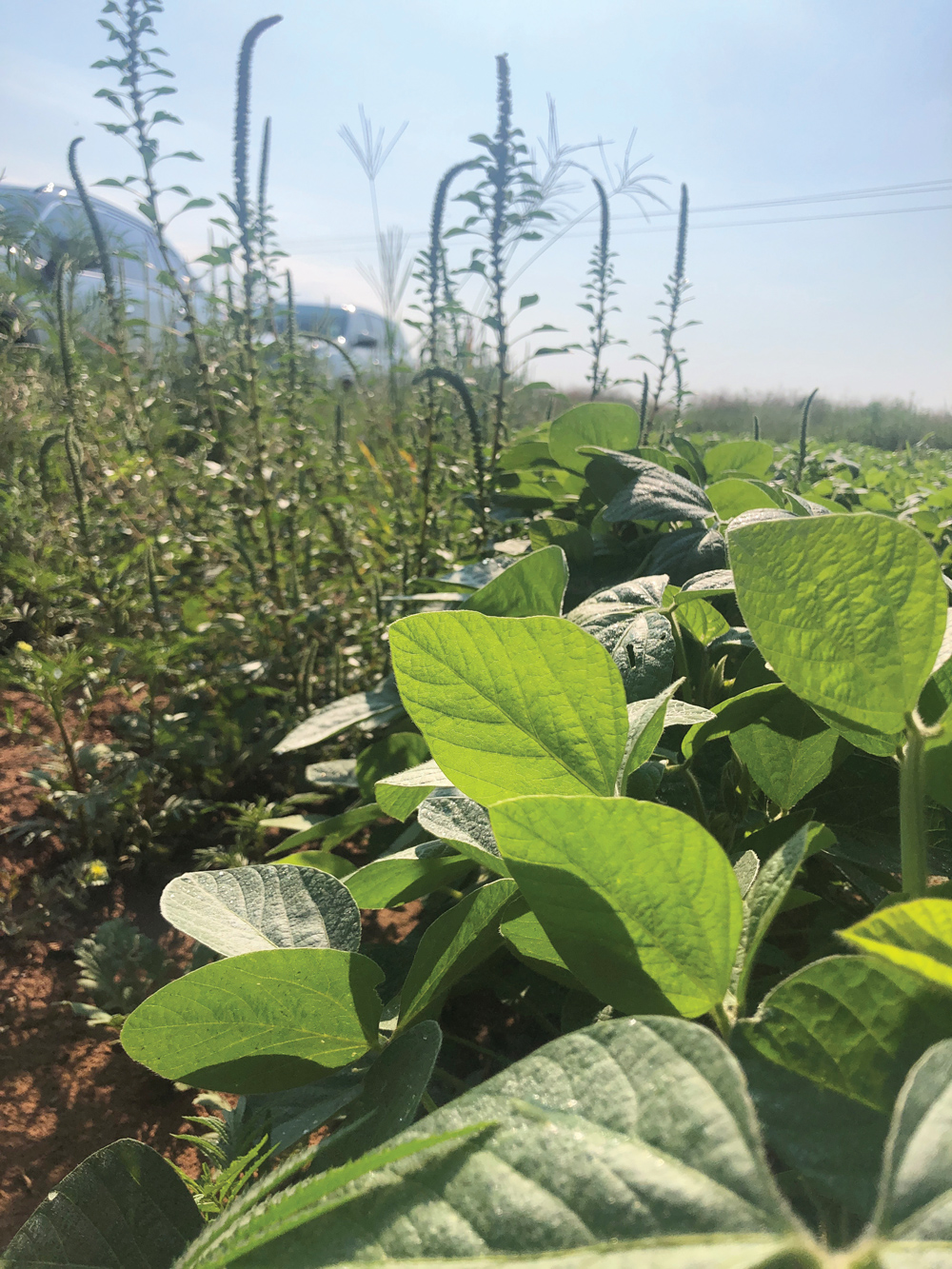
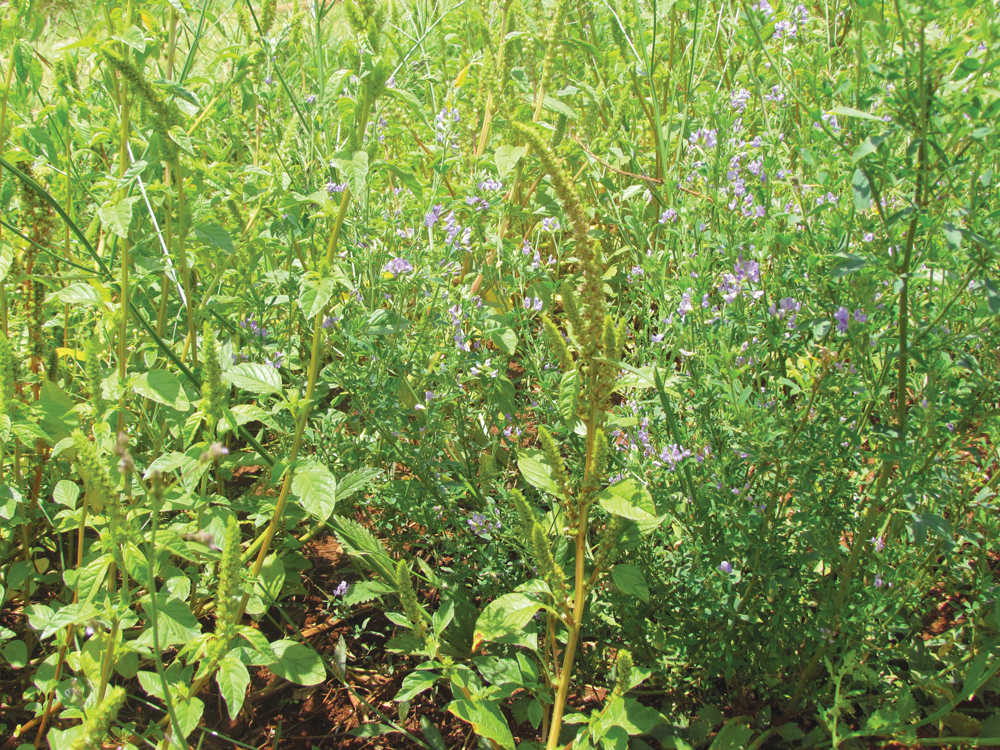
These mechanisms are easy to track using the Herbicide Resistance Action Committee (HRAC) global herbicide mode of action (MOA) classification codes indicated on the chemical label. The global HRAC classification system uses numerical codes (which replaced the legacy alphabetical codes previously used on South African labels) to help producers plan safe chemical rotations. Relying on the same mechanisms across all crops in the rotation, such as Glyphosate Group 9 (G) or Group 2 (B)/ALS inhibitors, allows weeds to develop resistance to these groups quickly, as is currently the case with pigweed (Amaranthus), especially in the summer grain-producing areas of South Africa.
A good weed management programme should be a layered, field-specific and rotation-safe plan that uses a soil-residual programme at or before planting, followed by a targeted post-emergence spray when weeds are small and within the label-recommended growth stage. Modes of action should then be switched with the next crop so that the same chemistry is not repeated season after season.
Rotation design
For a maize-soybean rotation, the most robust approach is to build each crop around a different residual base and a different post-emergence rescue option, while avoiding repeated use of the same HRAC groups in back-to-back seasons. The goal is to combine cultural control, residual herbicides, and post-emergence clean-up so the canopy closes quickly and weed escapes are minimised. A workable programme is to use different modes of action in sequence, starting with a strong residual base at planting and reserving post-emergence sprays for small escapes only. In fields with resistant pigweed, glyphosate should be used primarily as a burndown or rescue tool, not as the backbone of the in-crop programme.
In maize, build the season around a pre-emergence residual mix such as a chloroacetamide plus a triazine or HPPD-type partner, then scout early and clean up escapes while weeds are still small. This matters because pigweed pressure in summer-rainfall areas is specifically increasing in maize and soybean systems. If glyphosate-resistant or ALS-resistant Amaranthus is present, maize is a good crop to break the cycle by using strong residuals and a non-glyphosate post-emergence option with a different HRAC group.
For soybeans, the programme should be even more residual-heavy because post-emergence options are narrower and resistant pigweed can recover fast. Use a pre-emergence soil-applied mix at planting, then follow with a post-emergence grass herbicide or broadleaf rescue product only where needed and only on very young weeds. In a Roundup Ready soybean, avoid making glyphosate the sole in-crop spray; that selection pressure is exactly what drives the resistance problem.
Sunflowers can be useful as a break crop because they allow one to change herbicide groups and also use stronger canopy-based competition if established well. Sunflower residues have been shown to suppress weeds through allelopathic effects (in which plant-produced chemicals naturally inhibit weed growth). Also, combining residues with reduced herbicide rates improved weed suppression in field studies. In practice, that means sunflower can be used in a rotation to reduce reliance on glyphosate and ALS inhibitors, especially if residue placement and timing are managed so that the crop establishes a strong stand. Clearfield sunflower cultivars have natural resistance to ALS inhibitors, but that could aggravate the use of resistance to this class of herbicides if not correctly used and rotated.
The use of cover crops, specifically those with allelopathic properties, not only improves soil health but also suppresses weeds. A more practical allelopathic option between summer crops is to use sorghum or sunflower residues/cover biomass ahead of planting, because both have documented weed-suppressive effects. Sorghum-based extracts and residues have been reported to suppress weeds in sunflower, including Amaranthus species, and incorporating sunflower residues has been shown to reduce weed density and biomass. These approaches are best seen as suppression tools, not replacements for herbicides; they work best when paired with a residual herbicide at planting.
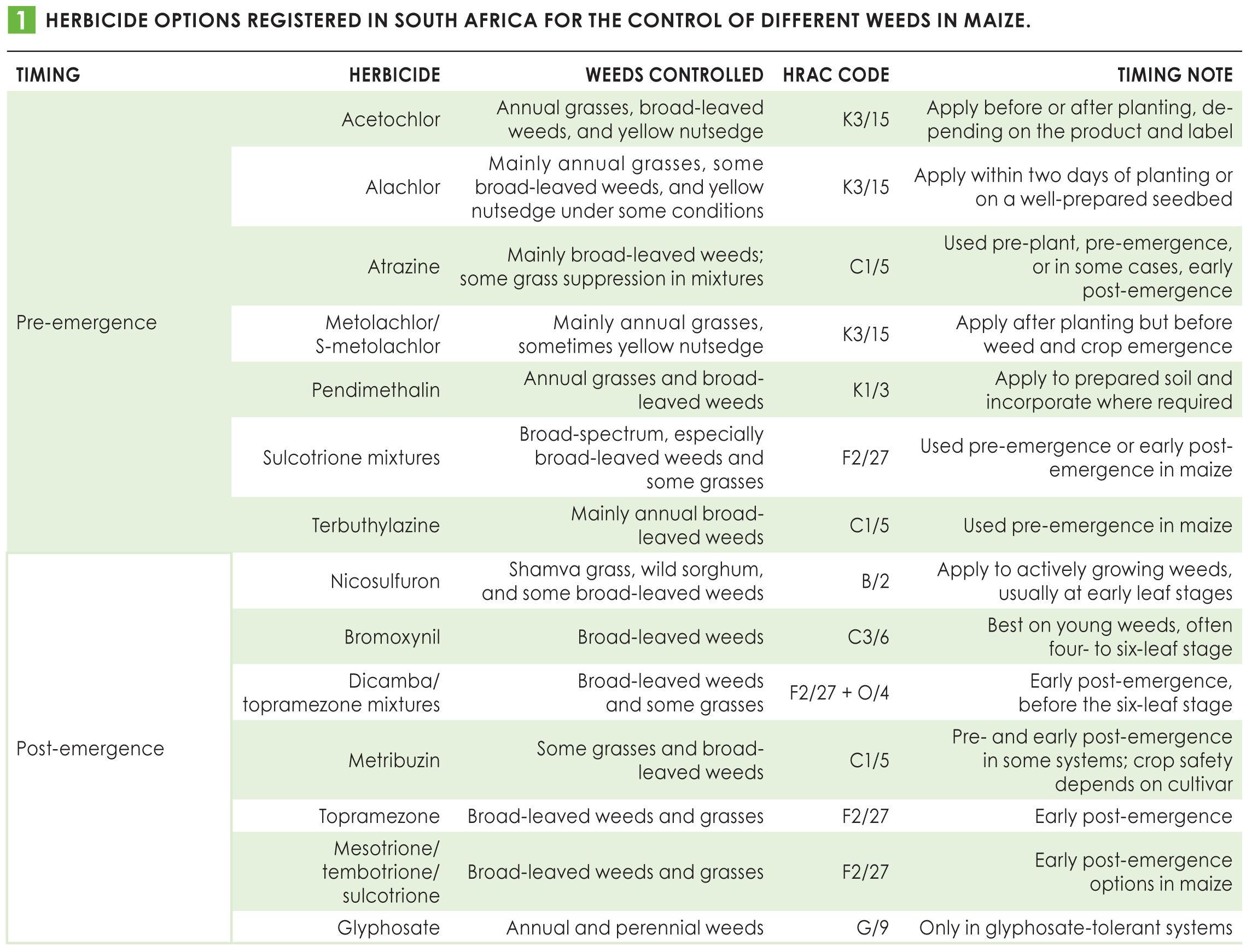 Practical rotation pattern
A potential pattern for a summer-rainfall farm would be the following: pre-season burndown with a non-selective herbicide only where needed before planting. Maize year 1: strong residual pre-emergence programme, then early post-emergence rescue on escapes. Short off-season cover with sorghum or another suppressive cover if moisture allows. Soybean year 2: residual pre-emergence mix at planting, then a targeted post-emergence spray if necessary. A sunflower break crop every few seasons, if the market and rotation length allow, to reset the herbicide pattern and exploit canopy plus residue suppression.
Important cautions
Do not depend on repeated glyphosate sprays alone in Roundup Ready systems, because the South African summer-rainfall region is already seeing escalating glyphosate resistance in common pigweed. Also, avoid repeated ALS-inhibitor use in the same field, because multiple resistance to glyphosate and ALS herbicides is well documented in Amaranthus-type populations. The safest long-term approach is to rotate HRAC groups, treat weeds while small, and use cover/residue suppression as a supporting layer rather than the main control method.
Also, remember the product is only as good as the application method, and only registered tank mixes should be used. Combining the wrong formulations or products can reduce the efficacy of individual compounds.