


Dr Lavinia Kisten, research coordinator, Grain SA

Prof Juan Vorster, associate professor, SAHRI, University of Pretoria

Palesa Mmereki, molecular biologist, Agricultural Research Council

Dr Tendai Mucheri, lecturer, University of the Free State

Dr Renée Prins,
director, CenGen

Dr Charné Viljoen, lecturer, Stellenbosch University
Herbicide resistance is becoming one of the greatest threats to sustainable crop production worldwide. South Africa is no exception, with resistance in some systems increasing with an accelerating trajectory. Across both summer- and winter-rainfall production regions, resistant weed populations are becoming increasingly difficult and expensive to control, placing immense pressure on producers and the long-term sustainability of existing herbicide technologies.
Globally, hundreds of weed species have evolved resistance to multiple herbicide active ingredients and sites of action across a wide range of cropping systems. The consequences have included rising input costs, increased tillage, and manual weeding – and in severe cases, significant yield losses when resistant weeds are left unmanaged or poorly controlled.
The local grain and oilseeds industry is not immune to these challenges. If herbicide resistance is not addressed proactively, it can rapidly erode the efficacy of existing herbicides, increase production costs, and force producers towards less economical or more environmentally damaging weed control practices. At the same time, the industry recognises that sustainable weed control requires more than resistance testing alone. Effective management depends on a combination of sound agronomic practices, stewardship, research, producer awareness, and early detection.
To address these challenges collaboratively, leading researchers, institutions, and industry stakeholders have established the Herbicide Action & Resistance Platform: HARP. HARP is a national collaborative initiative focused on herbicide resistance surveillance, integrated weed management, research, training, and industry support.
By bringing together expertise from universities, research institutions, industry bodies, and commercial diagnostic partners, HARP aims to provide South Africa with a coordinated and science-driven approach to sustainable weed management in grain production systems.
Why HARP matters
Herbicide resistance is no longer an isolated issue. Resistant weed populations are emerging across multiple crops and production regions, resulting in:
- increased production costs,
- reduced herbicide efficacy,
- yield losses,
- more complex management programmes, and
- greater pressure on already limited herbicide modes of action.
Currently, resistance testing and weed management efforts are often fragmented and region-specific. HARP seeks to bridge these gaps by creating a coordinated national platform capable of generating practical and regionally relevant information for producers, agronomists, industry, and government.
The platform also aims to strengthen collaboration between research institutions and industry while improving access to resistance screening and weed management support for producers across the country.
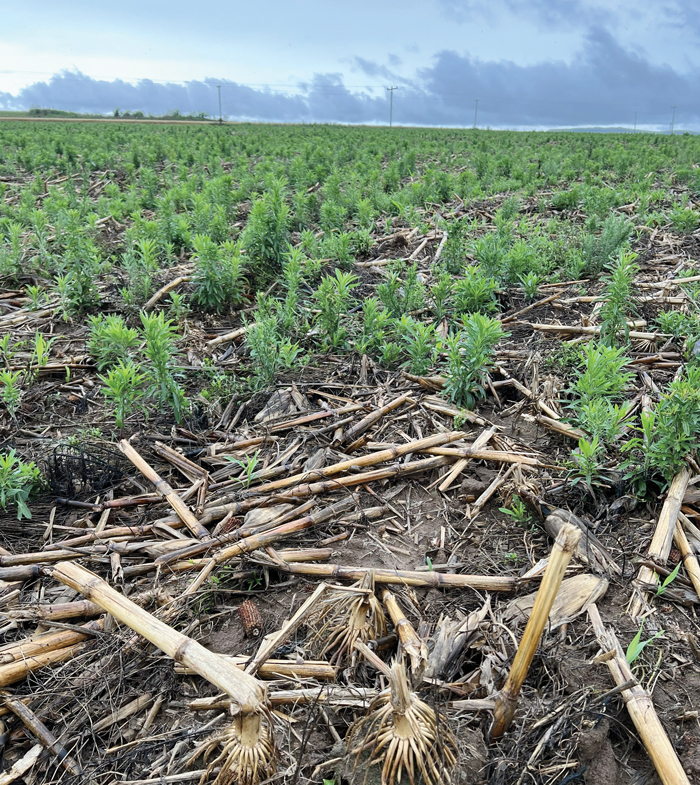
The four core functions of HARP
Herbicide resistance screening
One of HARP’s primary functions is the rapid and accurate screening of weed populations for herbicide resistance. This includes both traditional phenotypic testing and advanced molecular diagnostics.
The platform will support:
- resistance confirmation testing,
- molecular marker screening,
- identification of resistance mechanisms,
- monitoring of emerging resistance trends, and
- mapping of resistance hotspots.
By combining the expertise and infrastructure of multiple institutions, HARP aims to improve testing capacity and provide faster, more accessible diagnostic services to the industry.
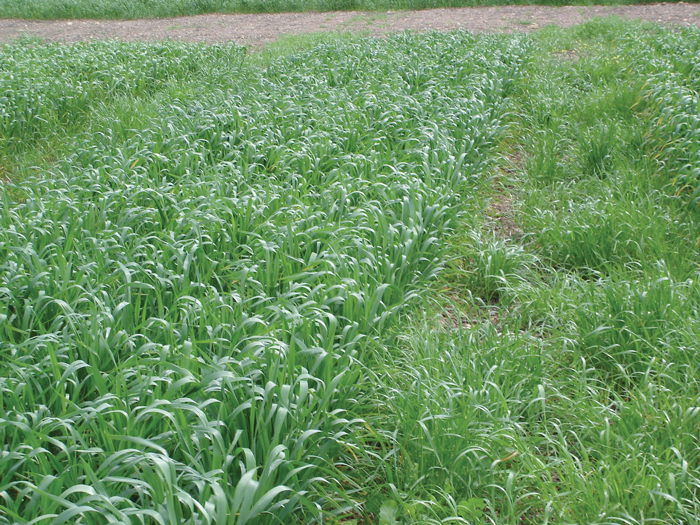
Research and weed management
HARP is not only focused on identifying resistance, but also on developing practical and sustainable weed management solutions.
Research activities will include:
- investigating resistance mechanisms,
- developing integrated weed management strategies,
- supporting herbicide stewardship initiatives,
- evaluating sustainable weed control approaches, and
- generating region-specific recommendations for producers.
The platform aims to promote management practices that reduce long-term reliance on herbicides while supporting productive and resilient farming systems.
Capacity building
A major objective of HARP is to strengthen South Africa’s capacity in weed science and herbicide resistance management.
This includes:
- training postgraduate students,
- supporting interns and early-career researchers,
- expanding laboratory and diagnostic capacity,
- developing expertise in molecular diagnostics and bioinformatics, and
- creating opportunities for collaboration between institutions.
By investing in people and infrastructure, HARP aims to build a strong foundation for future weed management research and support.
Communication and training
Knowledge sharing will form an important part of the platform’s activities. HARP aims to ensure that scientific findings are translated into practical information that can support on-farm decision making.
Activities will include:
- producer awareness programmes,
- industry workshops,
- extension and advisory support,
- training materials and technical resources, and
- communication of emerging resistance threats.
Ultimately, HARP seeks to improve awareness and encourage proactive weed management practices across the grain industry.
Meet the HARP members
HARP brings together expertise from several leading institutions involved in weed science, molecular diagnostics, resistance research, and industry coordination.
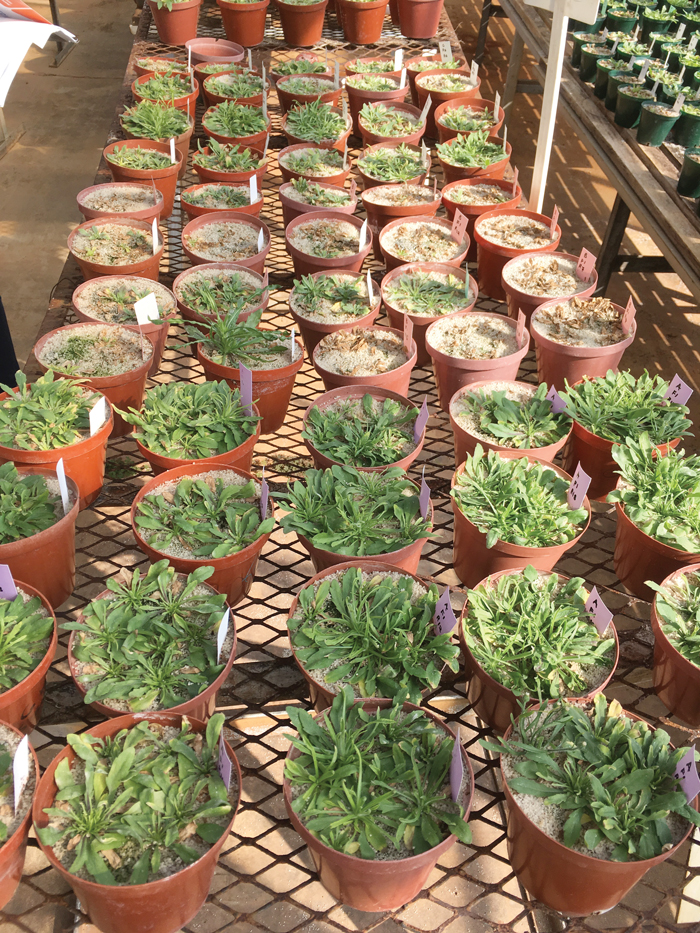
Prof Juan Vorster leads the South African Herbicide Resistance Initiative (SAHRI) at the University of Pretoria. SAHRI was established in 2012 and has extensive experience in herbicide resistance research, including molecular diagnostics and greenhouse-based resistance assays.
Dr Charné Viljoen represents Stellenbosch University, which serves as the winter rainfall hub within HARP and specialises in phenotypic resistance testing and bioassays used to confirm herbicide resistance in weed populations.
Dr Tendai Mucheri is involved in the development of the herbicide resistance laboratory at the University of the Free State, which focuses on resistance testing, screening, and resistance mapping within summer rainfall production regions.
CenGen, a commercial genetics and molecular diagnostics company that provides advanced genotyping, sequencing, and bioinformatics capabilities to support rapid resistance diagnostics, is represented by Dr Renée Prins and Diana Mngomezulu.
Palesa Mmereki represents the Agricultural Research Council (ARC), which contributes expertise in molecular diagnostics, resistance research, and producer awareness initiatives within HARP. Dr Lavinia Kisten represents Grain SA within HARP. Grain SA plays an important coordinating role by linking the platform with government, industry stakeholders, and producers while supporting communication and collaboration across the sector.
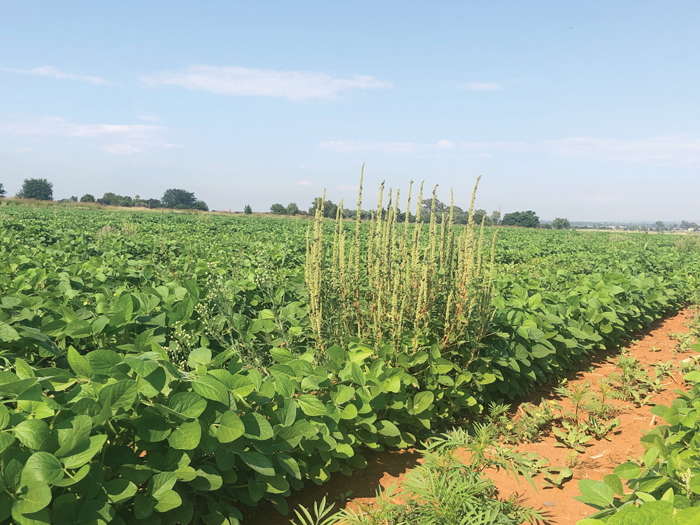
Looking ahead
HARP represents an important step towards strengthening South Africa’s ability to respond proactively to herbicide resistance and broader weed management challenges.
By combining scientific expertise, industry collaboration, advanced diagnostics, producer training, and integrated weed management strategies, HARP aims to support resilient production systems and help safeguard the future sustainability of crop production in South Africa.
Contact the HARP members for advice or resistance screening.
- Dr Lavinia Kisten (083 273 0709, lavinia@grainsa.co.za)
- Prof Juan Vorster (juan.vorster@fabi.up.ac.za)
- Dr Charné Viljoen (charneviljoen@sun.ac.za)
- Dr Tendai Mucheri (mucherit@ufs.ac.za)
- Dr Renée Prins (cengen@cengen.co.za);
- Diana Mngomezulu (diana@cengen.co.za)
- Palesa Mmereki (mmerekiK@arc.agric.za)