



Lehlohonolo Bakwa, Communications and Public Relations, Grain SA
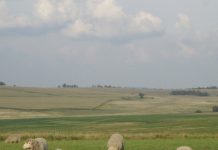
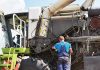
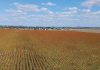
On 28 May 2026, producers, researchers, seed companies, and industry stakeholders gathered on Willem Groothof’s farm in Settlers, Limpopo, for Grain SA’s annual Sorghum Information Day. This event, attended by 50 people, was hosted by Grain SA’s Economic and Member Services Department, with support from the Sorghum Trust and the Sorghum Cluster Initiative.
This year was particularly significant as the cultivar trials marked ten years since Grain SA assumed responsibility for the sorghum cultivar trials from the Agricultural Research Council (ARC), marking a decade of delivering practical, locally relevant information on cultivar performance. While the information day showcased the latest genetics, research findings, and market developments, it also reflected a broader commitment to strengthening the sorghum industry through collaboration, innovation, and knowledge sharing.
Learning from a challenging season
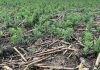
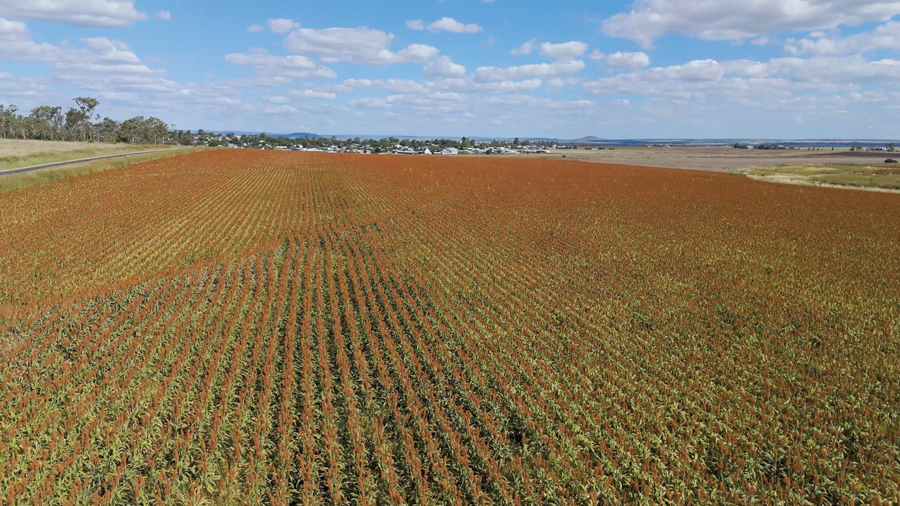
Groothof explained that the trial was conducted under highly variable weather conditions. Although approximately 780 mm of rainfall was recorded during the season, an extended mid-season dry spell lasting eight to nine weeks placed considerable stress on crop development. Late rains followed and continued well into the latter part of the season. The trial was managed with minimal intervention, including limited spraying and no herbicide applications, allowing participants to observe cultivar performance under realistic farming conditions.
The season showed both the challenges and resilience of sorghum production. While some plots performed exceptionally well, others experienced significant stress. Rather than providing perfect comparisons, the trial offered valuable insight into how different cultivars respond to environmental variability, a reality that producers increasingly face.
Representatives from several seed companies guided attendees through the trial plots, discussing cultivar characteristics, adaptability, disease tolerance, and yield potential. A consistent message was the continued investment in sorghum breeding despite the crop’s relatively small footprint within South African agriculture. AGT Foods Africa highlighted its contribution to sorghum production through consistently strong-performing cultivars.
Sorgho emphasised its active breeding programme aimed at improving processing quality and supply consistency, while Agricol highlighted its focus on developing cultivars with improved disease resistance, particularly against ergot, and broader crop adaptability. Pannar put the emphasis on cultivar stability and improved performance, Advanta Seeds discussed the introduction of new genetics from Australia and Argentina, and last but not least, Barenbrug showcased uniform medium- to long-season cultivars designed for easier management and harvesting.
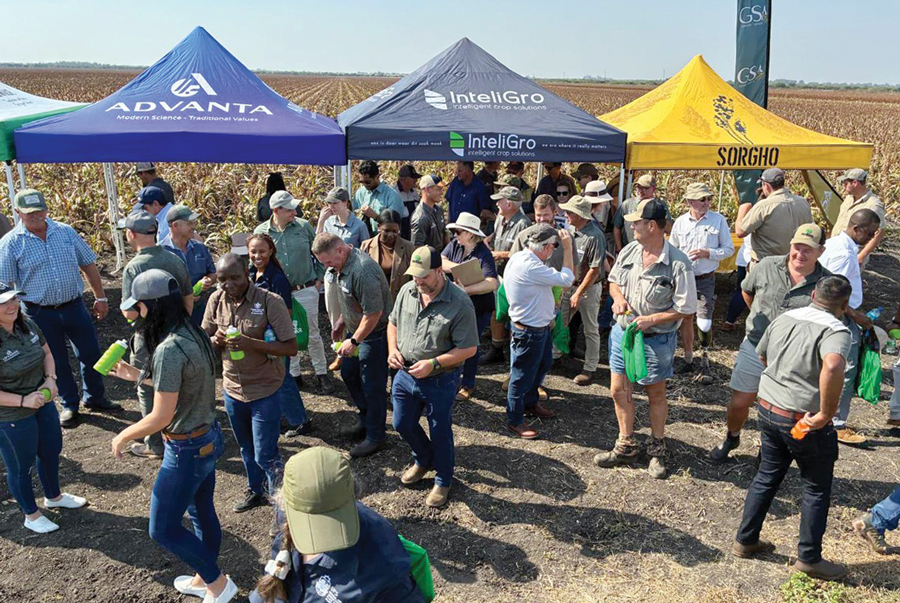
Together, the companies highlighted the importance of improved adaptability, drought tolerance, stability, and grain quality in supporting the future growth of the sorghum industry. Although not represented on the day, United Seeds was also acknowledged for its longstanding contribution to the cultivar trials and ongoing support of the initiative.
Following the field demonstrations, attendees gathered at the Settlers farmers’ hall for presentations on market information, disease surveillance, and pest management.
Heleen Viljoen, senior agricultural economist at Grain SA, presented an overview of the sorghum market, drawing on the latest Crop Estimates Committee figures, which estimate production at 149 653 tons for the 2025/2026 season. While sorghum production has declined considerably since the early 1990s, the past two seasons have shown encouraging signs of recovery despite ongoing yield fluctuations. Her presentation highlighted both the opportunities and challenges facing the industry.
Particular attention was given to the potential of sorghum as a biofuel feedstock, following discussions at a recent roundtable hosted by the Localisation Support Fund1. While no sorghum is currently being used for biofuel production in South Africa, participants recognised its potential to contribute to the country’s renewable energy ambitions. The discussion highlighted the importance of a supportive legislative framework, which many believe is necessary to unlock new market opportunities and stimulate demand.
Research presentations showed the important role that scientific research continues to play in supporting producers.
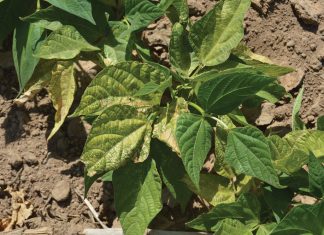
Dr Lisa Rothmann, senior plant pathology lecturer at the University of the Free State, shared findings from ongoing disease surveillance and diagnostic research conducted across South Africa’s sorghum-producing regions. This research was part of a study conducted by Thabiso Masisi (PhD candidate), Nomvula Moloi (MSc candidate), and Kwanele Sabela. Drawing on field surveys undertaken over three production seasons, she shared insights into the prevalence and distribution of key sorghum diseases, including various leaf diseases, grain mould, and other fungal diseases, as well as factors that influence their development and spread. A key message was the importance of disease surveillance, diagnostics, early detection, and informed management practices. The presentation highlighted how research and producer engagement can contribute to a better understanding of disease risks and support more effective decision making on the farm.
Dr Shandukani Netshifhefhe, senior lecturer in entomology at the Tshwane University of Technology, gave a presentation on the fall armyworm. He discussed the insect’s biology and the damage it can cause through leaf feeding and injury to the growing point, particularly in young plants. He shared that damage is generally most severe during the vegetative growth stages. The presentation emphasised the importance of integrated pest management, including monitoring, cultural practices, chemical control measures, and the conservation of natural enemies.
Both presentations reinforced the same principle: informed decision making depends on access to reliable information. Whether dealing with diseases, pests, or changing production conditions, producers are increasingly reliant on research to guide management decisions.
More than a day in the field
Beyond the presentations and cultivar demonstrations, the event highlighted the value of collaboration across the sorghum value chain. The ten-year milestone highlighted both the progress achieved and the value of consistent, long-term trial work in supporting producer decision making. At the same time, it served as a reminder that continued investment in research, market development, and industry collaboration will be essential to secure a resilient and competitive future for sorghum in South Africa.
For more information on the trials and available cultivars, producers can contact the following seed company representatives:
- Pannar – Gerhard Engelbrecht (gerhard.engelbrecht@pannar.co.za)
- Agricol – Carla Grobbelaar (cgrobbelaar@agricol.co.za)
- AGT Foods Africa – Gjizelle Nel (gnel@agtfoods.com)
- Advanta Seeds – Abraham van den Berg (braam.vandenberg@advantaseeds.com)
- Sorgho – Elize Botha (elize@sorgho.co.za)
- United Seeds – Kruger van Wyk (kruger@unitedseeds.co.za)
- Barenbrug – Yvette Brits (ybrits@barenbrug.co.za)
Footnote
1 Developing the Sorghum Biofuel Value Chain in South Africa | LSF