



Theresa Bapela,
ARC-Grain Crops, Potchefstroom
Producers are increasingly using biological products, also known as biological control agents (BCAs), to manage plant diseases in a safer and more sustainable manner. BCAs are natural inputs derived from living organisms. These products are typically obtained from beneficial microorganisms such as bacteria and fungi, as well as from microbial metabolites and plant-based extracts.
Unlike synthetic chemicals, biological products work with natural processes in the soil and on the plant, helping to reduce chemical residues, protect the environment, and improve long-term soil health. According to scientific research, BCAs are a crucial part of modern sustainable agriculture because they enhance plant growth and resilience while also aiding in disease control.
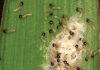
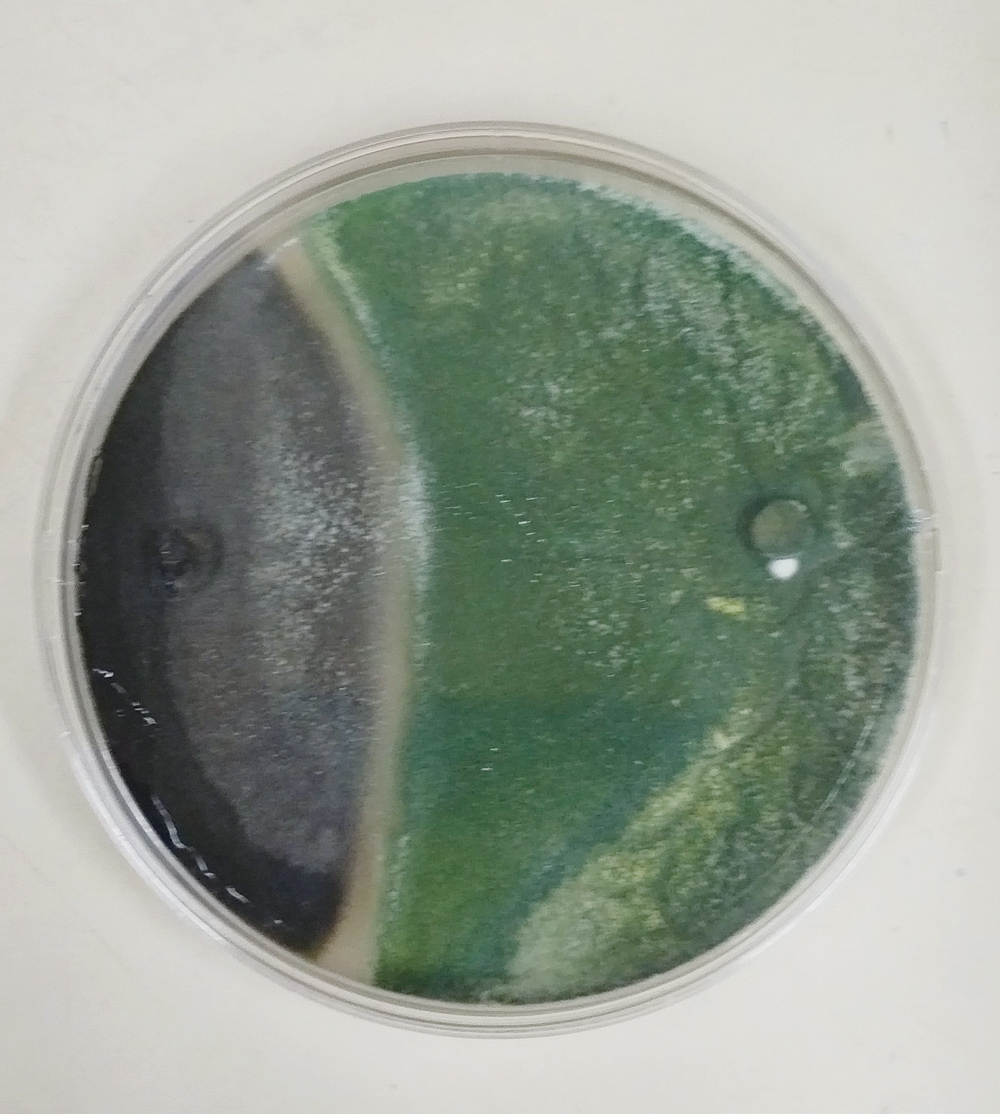
BCAs protect crops through several natural mechanisms. Beneficial microorganisms can compete with harmful pathogens for space and nutrients, effectively limiting disease development. They can also produce antimicrobial compounds that directly inhibit (Photo 1) or kill pathogens, a process known as antibiosis. Some organisms, such as Trichoderma, can parasitise and break down disease-causing fungi, while others stimulate the plant’s own defence system through a process called induced systemic resistance (ISR). This mechanism ‘switches on’ the plant’s immunity, enabling it to respond more quickly and strongly to infections. Research has shown that microorganisms such as Bacillus, Pseudomonas, and Trichoderma play a major role in activating these defence responses and improving plant health.
Different types of biological products are available to producers, each serving a specific purpose. Biofungicides and biobactericides contain beneficial microbes that target fungal and bacterial diseases, particularly soilborne pathogens that cause root and stem rots. Bionematicides are used to reduce harmful nematode populations in the soil, thereby protecting plant roots and improving crop yields.
The benefits of using biological products go beyond disease control. One of the major advantages is resistance management, as their different modes of action help reduce the risk of pathogens developing resistance compared to repeated use of chemical pesticides. Biological products also improve plant tolerance to environmental stresses such as drought, poor soil conditions, and extreme temperatures by enhancing physiological balance and plant defence systems.
Plant growth-promoting enhancers
Biofertilisers and biostimulants are important biological products that improve plant growth and crop performance in a natural and sustainable way. These products often contain beneficial organisms such as mycorrhizal fungi and helpful bacteria, which enhance nutrient uptake and stimulate plant growth. By improving root development and overall plant vigour, they help crops become stronger and more resilient under stress conditions such as drought or poor soils. In addition, these biological inputs support long-term soil health while reducing reliance on chemical fertilisers.
Beneficial microorganisms play a key role in improving nutrient availability in the soil. They can fix atmospheric nitrogen, making it available to plants, and solubilise nutrients such as phosphorus that are normally unavailable in the soil. This improves nutrient-use efficiency, allowing crops to make better use of applied fertilisers and often reducing input costs. Another advantage of these products is that they are generally safer for both humans and the environment, as they break down naturally and leave little to no harmful residues in the soil or on crops.
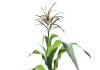
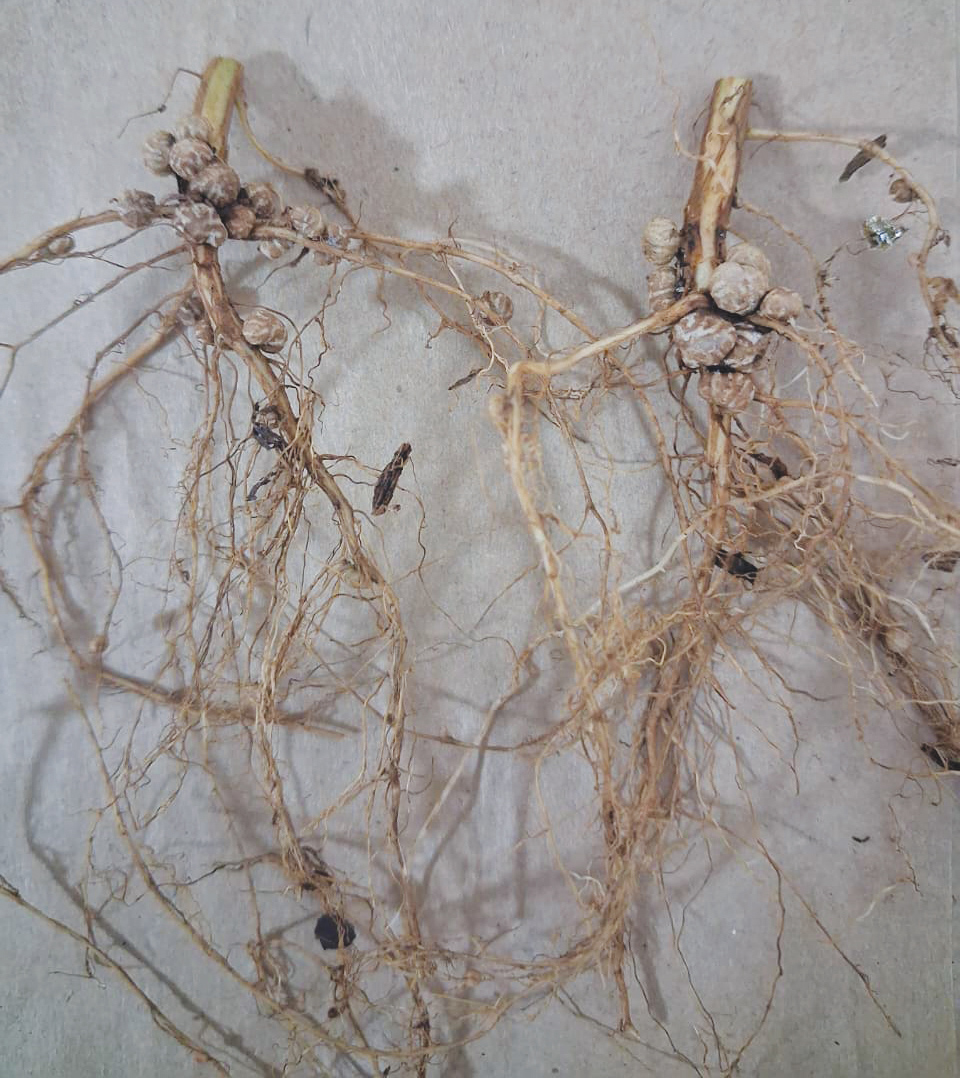
Plant growth-promoting enhancers include a wide range of materials, such as plant growth-promoting microorganisms (PGPMs), organic amendments like compost, and plant growth regulators, including auxins and cytokinins. Among these, PGPMs such as Bacillus, Pseudomonas, Azospirillum, and mycorrhizal fungi are especially important in sustainable agriculture. These beneficial microbes improve plant growth by increasing nutrient availability, producing plant hormones, and supporting root development. They can fix nitrogen (Photo 2) from the atmosphere, convert unavailable nutrients into forms plants can absorb, and produce compounds that stimulate plant growth and development.
In addition to promoting growth, these microorganisms also contribute to disease control and plant protection. Many PGPMs act as both growth enhancers and biological control agents by suppressing plant pathogens through competition for space and nutrients, producing antimicrobial compounds, and activating plant defence systems. This strengthens the plant’s ability to resist diseases while at the same time improving growth. Furthermore, these beneficial microbes help plants cope with environmental stresses such as drought, salinity, and temperature extremes. The combined effect of improved nutrition, stronger defence systems, and better stress tolerance leads to higher yields, improved crop quality, and more efficient use of resources.
All things considered, biological control agents and plant growth-promoting enhancers provide producers with a workable and sustainable method of managing crops. These products support long-term agricultural productivity and environmental conservation by strengthening plant health, increasing soil fertility, and decreasing reliance on synthetic chemicals. They offer a practical way to produce high-quality crops while safeguarding natural resources for future generations when incorporated into an integrated crop management programme.
For further information please contact Theresa Bapela or Dr Belinda Janse van Rensburg at 018 299 6100 or bapelat@arc.agric.za.