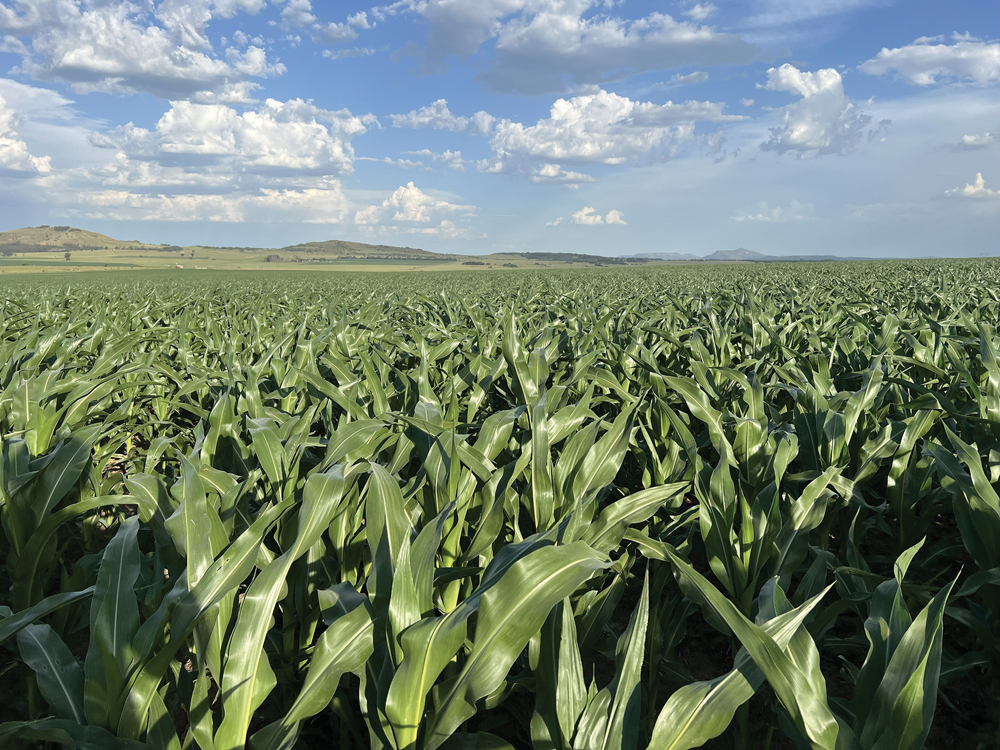


Brian du Toit farms in the Dundee district of northern KwaZulu-Natal under the trade name MCS Farming Operation.
Du Toit took first place in the 2025 Grow for Gold national yield competition for maize produced under dryland conditions in KwaZulu-Natal with a Pioneer hybrid, P1225PW. He achieved a record yield of 18,3 t/ha, which is 1,6 t/ha higher than the previous record in that area.
He plants 500 ha of dryland maize and soybeans in a 50/50 annual rotation. He also plants multi-species winter cover crops to enhance soil health and sustainability. For the 2024/2025 planting season, he selected Pioneer’s P1225PW yellow maize hybrid for a large portion of his maize cultivation.
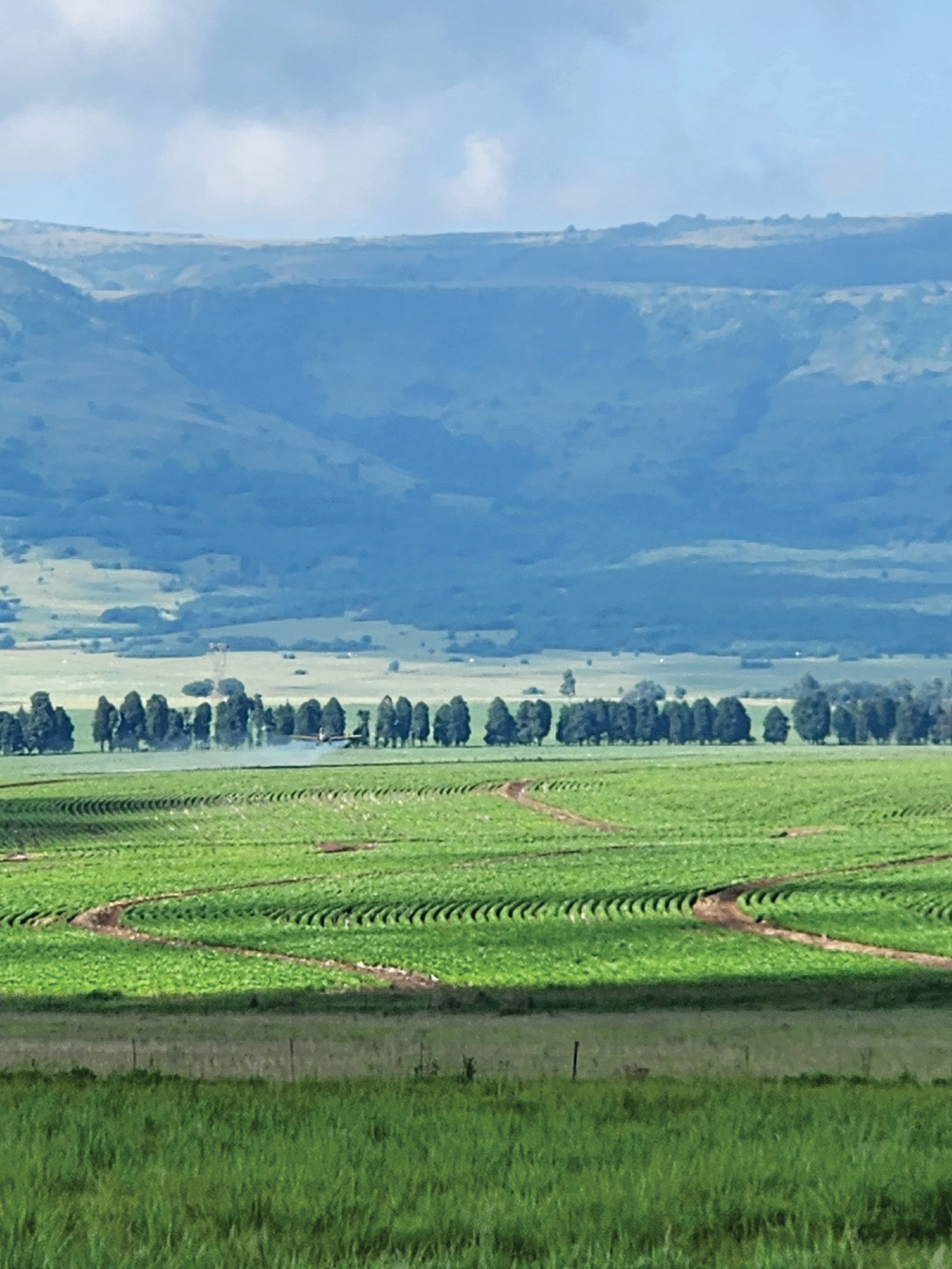
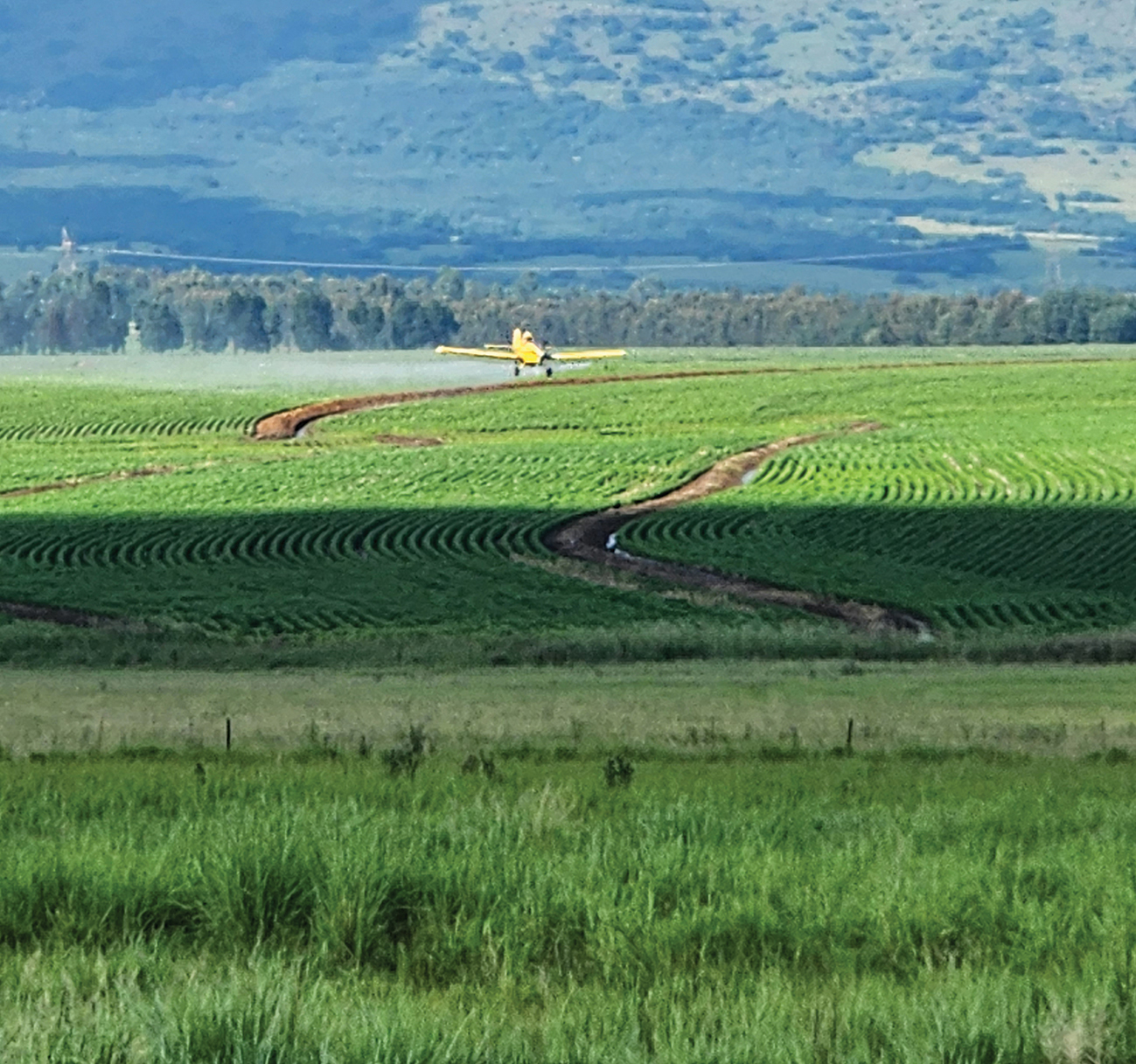
According to Du Toit, they did a few things differently than previous seasons, but he notes that nothing specific was done differently on the entered field. ‘We used a Badger Eco-Till planter. The accuracy of seed and fertiliser placement made a huge difference. We also strengthened our fungicide programme and included a late boron application. The product used were Mover from Stoller.
‘We also spread KCl before planting with the goal of balancing our potassium and nitrogen levels. We wanted the units of both nutrients to be as close as possible to ensure balanced crop growth and improved nutrient efficiency.’
The crops are planted in a strict no-till system. Approximately two weeks before planting, the cover crops are chemically sprayed, and the following crop, either maize or soybean, is planted in the stover.
In addition, Du Toit also manages a commercial beef herd. After harvesting, the cattle is rotated through the fields to graze on crop residues, naturally fertilising the soil. This system breaks pest and disease cycles while improving soil structure, he points out.
He explains that the soil moisture was relatively high following the 2024 winter’s heavy snow. This enabled him to start planting a bit earlier on 20 October instead of in November as usual.
His management decisions are based on long-term data and agronomic guidance from Farmers Agri Care consultants.
To gather the data, Du Toit conducts annual precision soil analyses, using the results to guide critical decisions regarding liming in August or September every two to three years. ‘I look at the results from the soil analysis and use that to address the specific nutritional requirements of each cash crop.’

According to him he not only monitors plant health but puts great emphasis on soil health as well. ‘My primary focus is on building and maintaining healthy, resilient, and productive soils as this will to a great extent drive yield and healthy crops.
‘It is all about finding the right balance across macro- and micronutrients, soil microbes, and fungi, and the diversity of roots and life in the soil to maximise overall productivity.’
He adds that he always aims for the best bang for his buck. ‘The bigger the maize kernels at harvest, the better.’
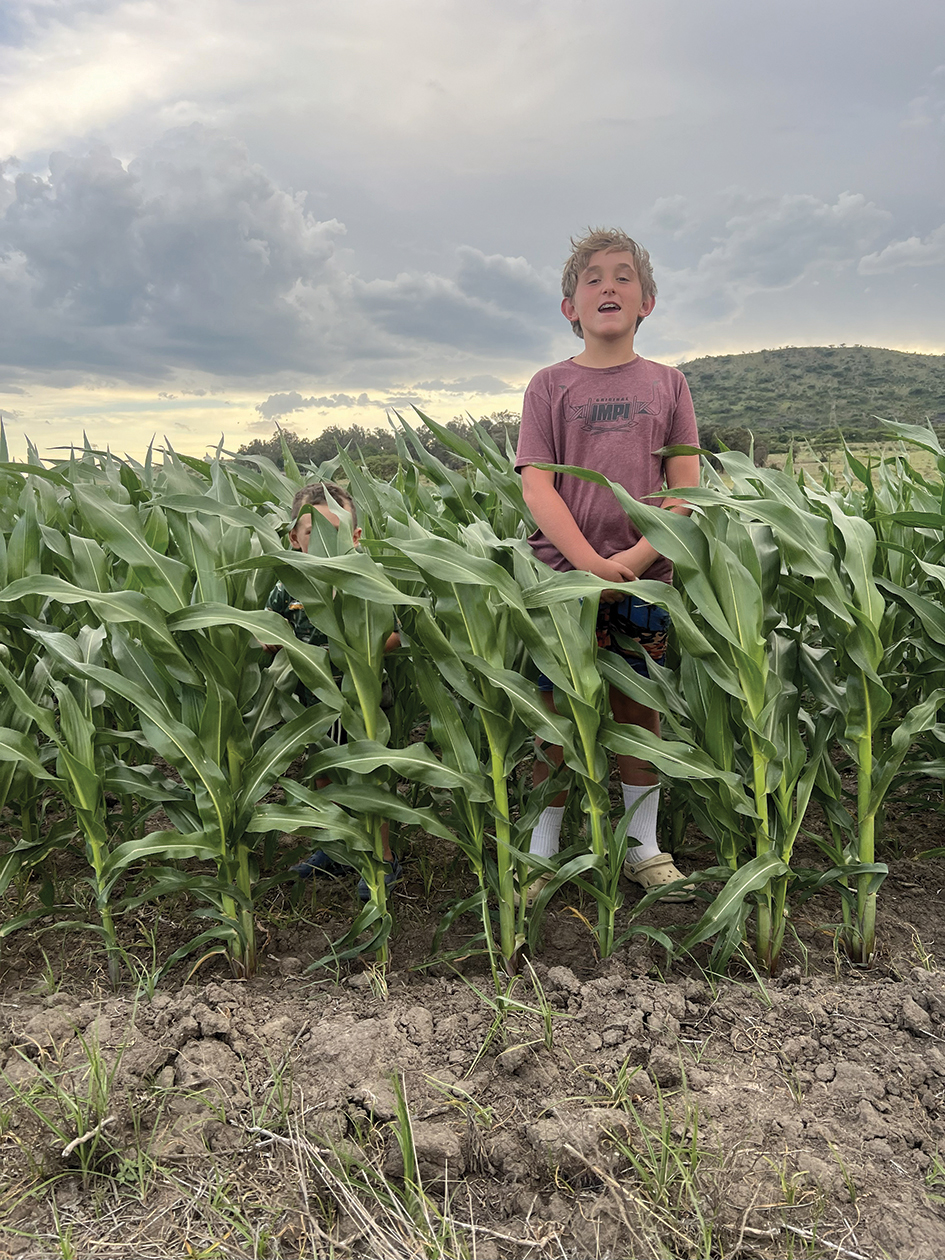
When it comes to chemical and biological treatments, he will broadcast 200 kg/ha of potassium chloride (KCl) prior to planting across all maize fields.
Using a Badger Eco-Till 12-row planter, Du Toit plants 63 000 seeds/ha at a 76-cm row spacing, targeting a final stand of 60 000 plants/ha. The planter simultaneously applies 400 kg/ha of Omnia’s 1:1:1 fertiliser blend in furrow, together with beneficial Bacillus species. Elim’s carbon-rich Green Liq is included in the mixture, while Microbika’s endophytic Trichoderma is incorporated in the seed bins to promote early root and plant health.
At the V2 to V3 growth stage, 500 kg/ha of nitrogen is given as a top-dressing, followed by foliar feed containing biological products formulated to reduce stress and improve early growth vigour.
‘I want to grow resilient plants with strong, extensive root systems. If the plant roots are healthy, the crop will be able to handle stress such as heat or dry spells better, resulting in an overall yield gain.’
Weeds are controlled with herbicide applications as required under no-till conditions. Fungal diseases, however, remain the main production constraint, he points out. To manage diseases, he does three fungicide applications that typically comprise Nativo, Miravis Neo, and Zantara. These are applied each season to maintain crop health and protect the yield potential.
‘We harvest in early May to capitalise on better grain prices,’ he says. ‘With current market pressures, every ton of yield matters.’
Du Toit is also a Farmers Agri Care consultant, so he has the privilege of mentoring and advising producers as part of his work.
His advice to young producers would be to embrace technology and make use of all the data available to guide their decisions. ‘Work hard, stay humble, and never stop learning.’