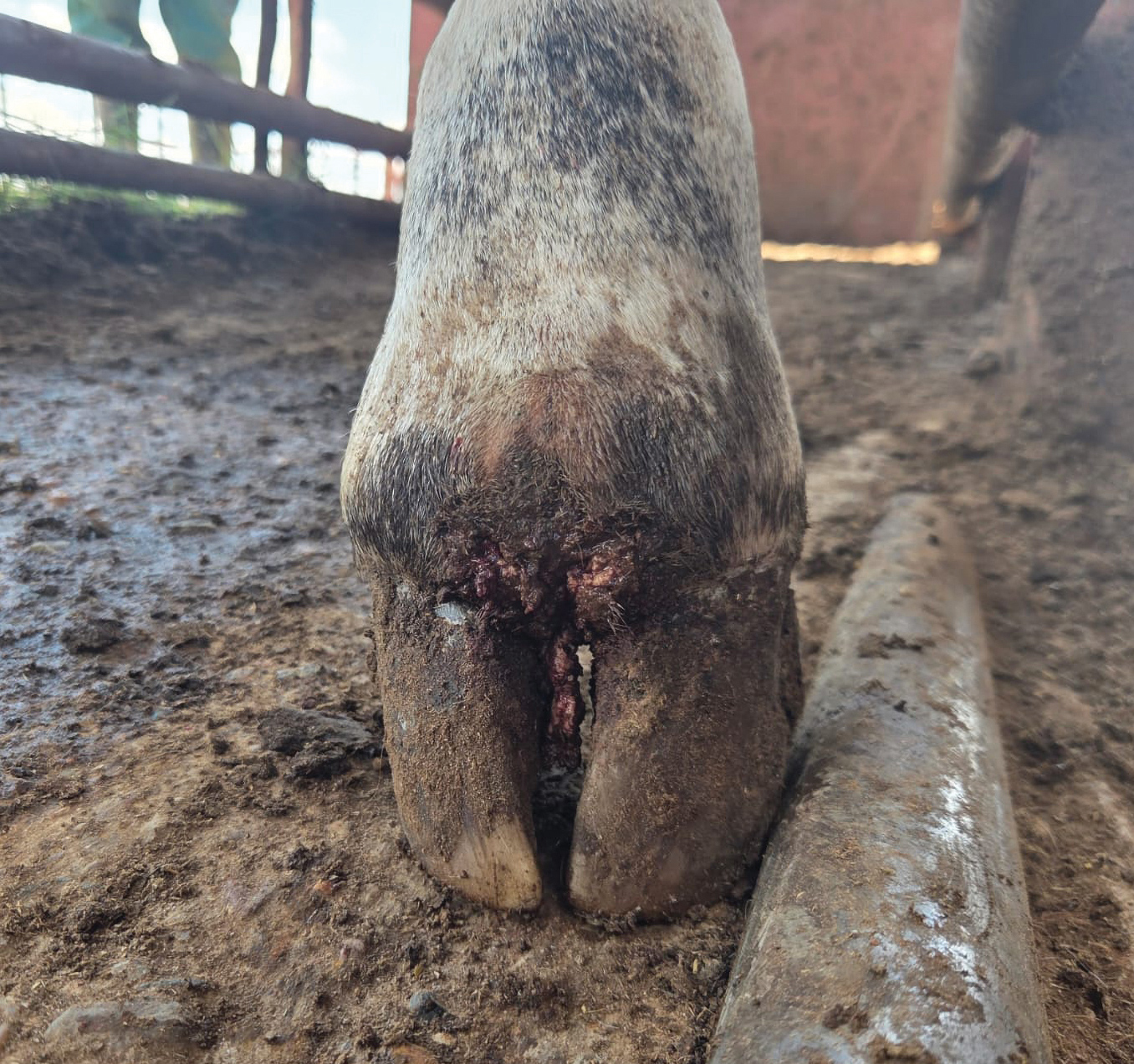



Foot and mouth disease, commonly known as FMD, is a highly contagious virus that affects cloven-hoofed animals, meaning animals with split hooves. These include cattle, sheep, goats, buffalo, and pigs. The disease causes painful sores in the mouth and on the feet, which can make animals very uncomfortable and unable to move or eat properly. In South Africa, the Southern African Territories (SAT) strains of FMD occur, mostly causing disease in cattle.
Because FMD spreads so easily, it is important that producers understand how the disease looks, how it spreads, and what to do if they suspect it on their farm.
What are the symptoms of FMD?
Animals infected with FMD do not show signs immediately. Symptoms can take up to 14 days to appear. This period is known as the incubation period. During this time, the animal may look healthy but can still spread the virus.
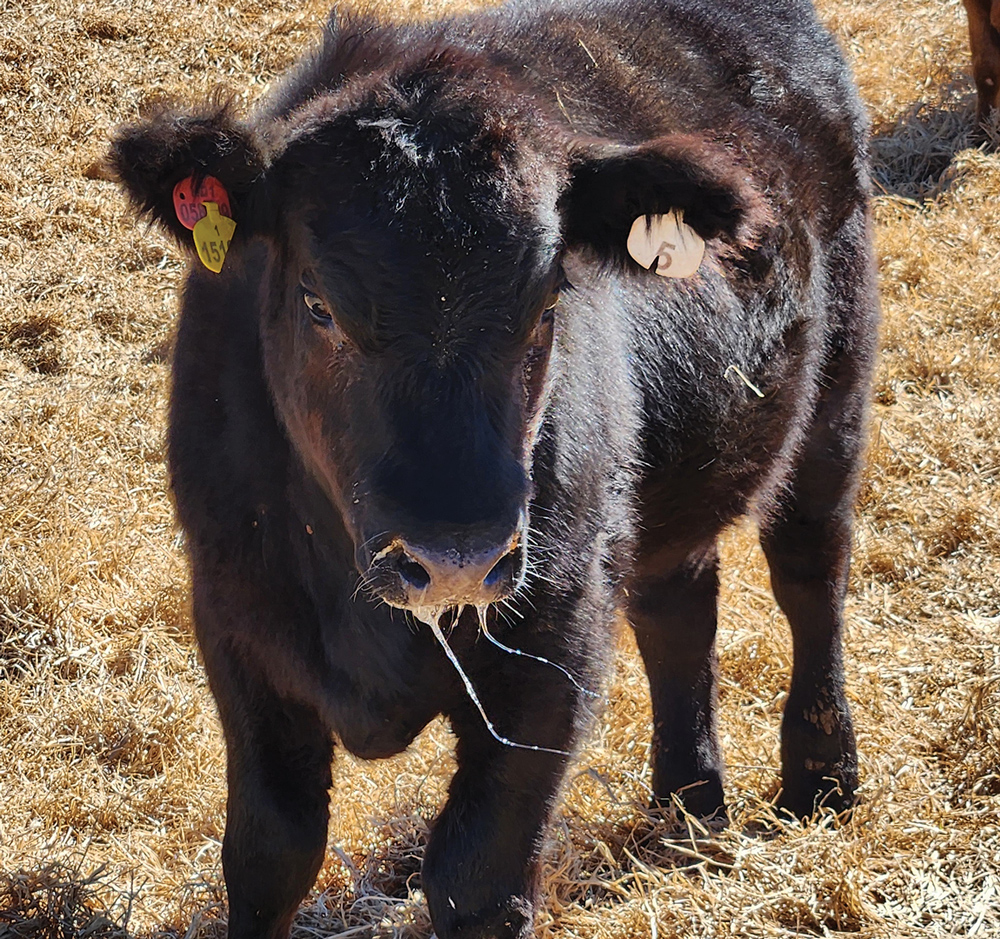
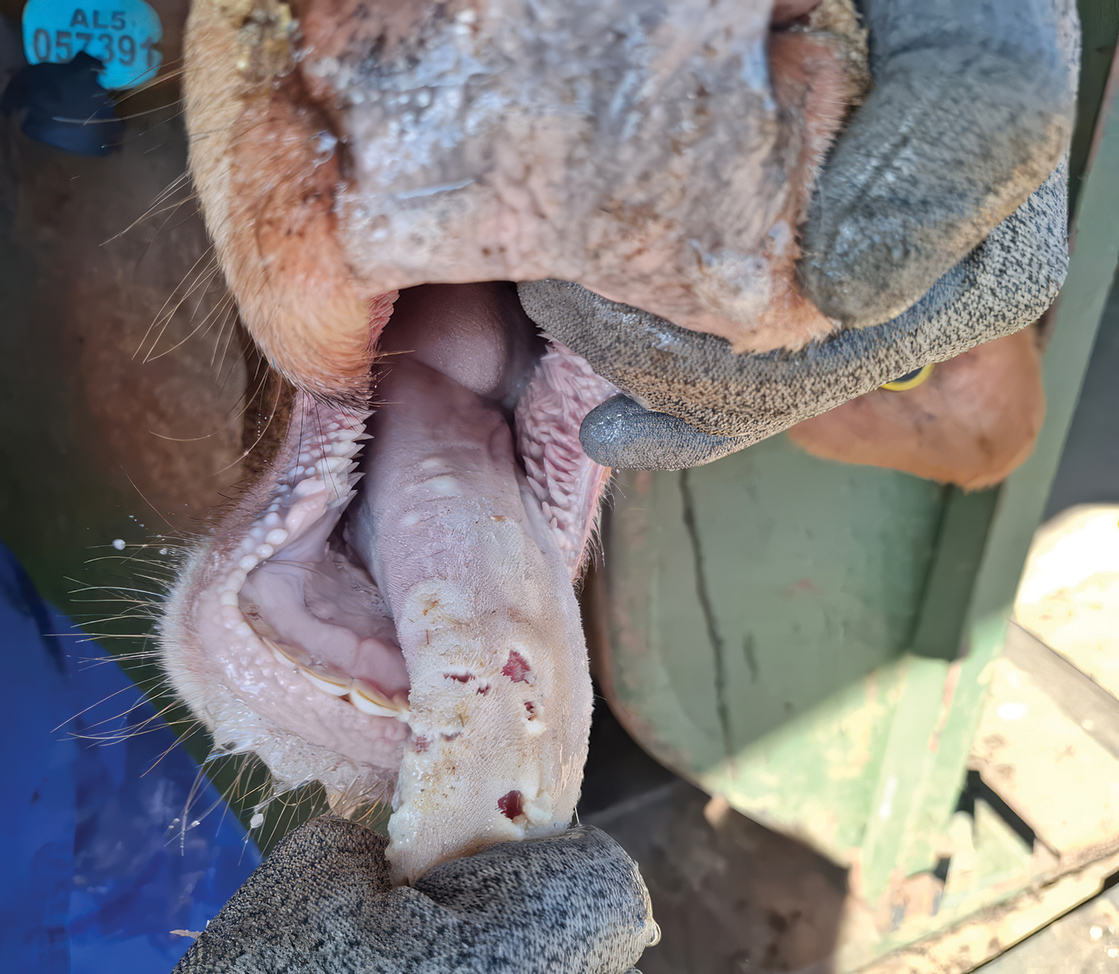
The most common symptoms of FMD include blisters or sores in the mouth or on the feet, which can be very painful. Animals may become lame or start limping because of sores on their feet. Many animals also show a loss of appetite because the sores in the mouth make eating painful. Another clear sign is drooling or large amounts of saliva coming from the mouth.
After the signs appear, the animal will normally recover within 7 to 14 days. During this time, the animal develops its own immunity against the disease. Even though animals may recover, the disease still causes serious problems because it spreads quickly and affects many animals at once. Animals that have recovered from the disease can carry the virus at a very low level for 28 days and even longer.
How does FMD spread?
FMD spreads in many ways, which is why it is so difficult to control. It can spread directly between animals, especially when they are close together. The virus can also be carried on people’s clothes, hands, and boots, meaning people can cause it to spread from one place to another without knowing.
Furthermore, the virus can be carried by vehicles and equipment that move between farms. In some cases, it can even spread through the air. A very important fact is that FMD can live in a person’s throat or airway for up to three days, even if the person feels healthy. This means a person could pass the virus to animals just by breathing near them.
What to do if you see any signs
If you see any symptoms that could indicate FMD, act immediately. The first step is to isolate the animal at once. Move it to the nearest camp and do not walk it through the farm, as this can spread the virus further. Next, contact your state veterinarian and the RMIS operational centre as soon as possible. If you can, take a photo of the symptoms to send with your report.
Report all suspected cases to the RMIS operational centre: 067 391 4530 or opscentre@rmis.co.za.
Support for producers
Producers do not have to manage FMD alone. Support is available through the RMIS traceability platform. If you register on the platform, you will receive automated WhatsApp messages directly on your phone when there is a confirmed or suspected FMD outbreak within a 30 km radius of your farm. This helps producers stay informed and act quickly to protect their animals.
All confirmed and suspected FMD outbreaks are mapped and made available to the public on the RMIS website. Producers can view this information at any time by visiting: https://rmis.co.za/disease-incidents/
Having access to accurate, up-to-date information allows producers to make better decisions, improve biosecurity on their farms, and reduce the risk of disease spreading further.