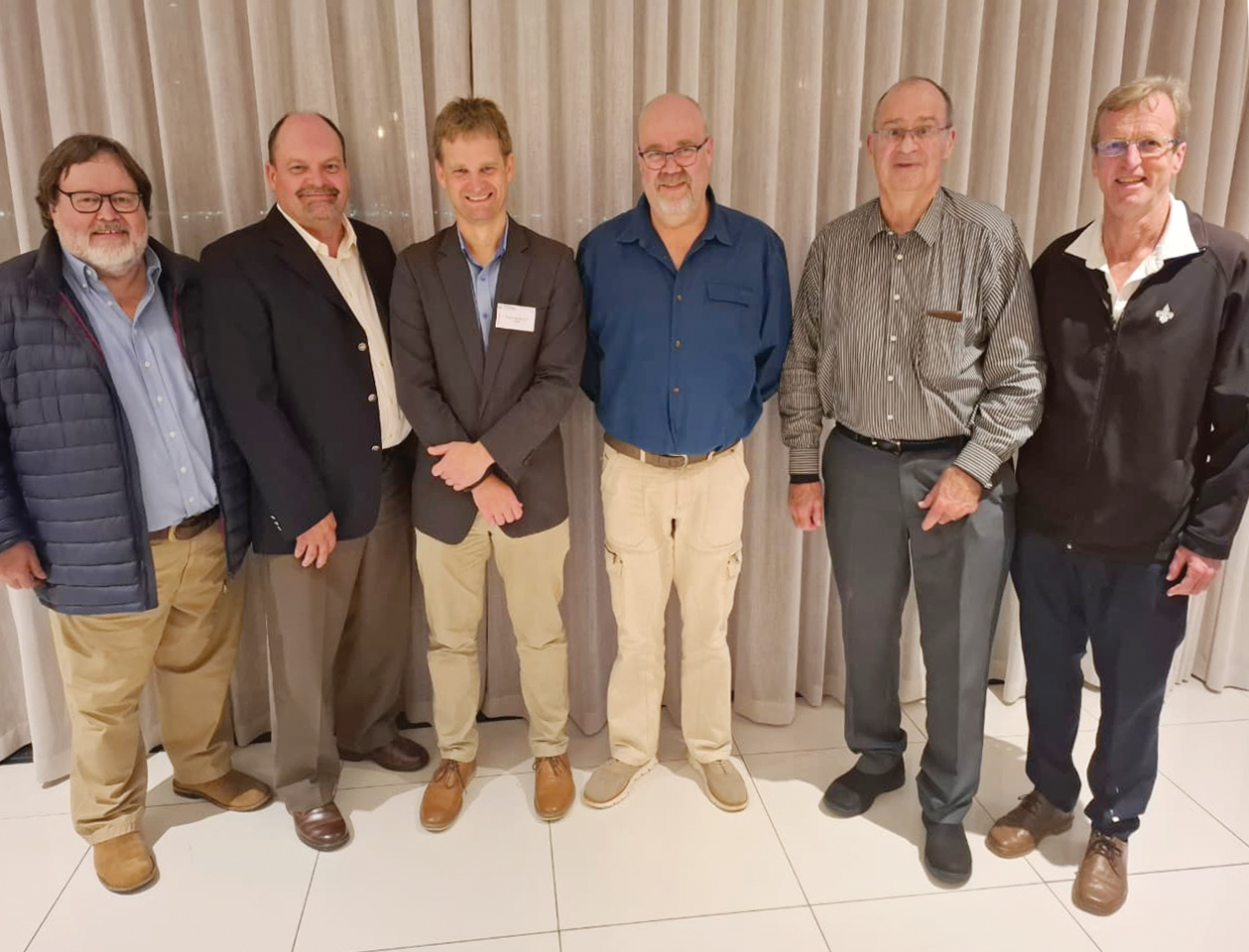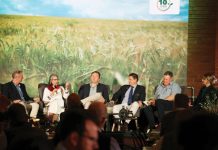


The Fertilizer Association of Southern Africa (Fertasa) hosted its 66th annual congress on 21 May at the Blaauwberg Beach Hotel, bringing together industry stakeholders, researchers, and agribusiness representatives to engage on key developments shaping the fertiliser industry and agricultural sector.
While the congress did not feature direct participation from policymakers, it provided a valuable platform for industry-led discussion on economic trends, regulatory developments, sustainability, and the broader operating environment facing South African agriculture.
Highlights of the chairman’s report
Dr Louis Ehlers’ report provided an overview of Fertasa’s activities and the key issues influencing the industry:
Strategic mandate
- Continued focus on promoting the responsible and sustainable use of fertilisers
- Strengthening industry credibility and trust in fertiliser products
Industry advocacy
- Ongoing engagement with government and organised agriculture, despite a complex and evolving policy environment
- Representation of member interests on key industry platforms
Quality assurance and compliance
- Certification of fertiliser entities and continued quality monitoring
- Addressing non-compliance and misrepresentation in the market
Skills and knowledge development
- Delivery of training programmes, workshops, and publications to support industry capacity
- Facilitating knowledge-sharing and technical support
Data and systems development
- Maintenance of fertiliser statistics and product registration systems
- Enhancing transparency through digital tools such as the Fertasa portal
Economic and agricultural outlook
- Modest economic recovery with improved macroeconomic conditions in early 2026
- Global geopolitical tensions and rising energy costs remain key risks
Sector challenges
- Rising input costs, fertiliser supply uncertainty, climate risks, and global trade volatility
- Increasing importance of managing risk and resilience across agricultural value chains
Presentations and thought leadership
The congress featured a strong line-up of academic and industry experts, with discussions largely focusing on analysis and forward-looking insights rather than direct policy engagement.
Prof Nick Vink from Stellenbosch University examined the long-term trajectory of South African agriculture, highlighting structural shifts in production, the growing importance of irrigation, and expanding export opportunities. He emphasised the need for a stable enabling environment to support continued growth and stressed that South Africa is in need of a clear export policy.
From the School for Climate Studies, Prof Guy Midgley addressed the intersection of climate change and agriculture, focusing on the food-energy-water nexus. His presentation underscored the increasing pressure climate risks place on production systems and the need for integrated adaptation strategies. Prof Theo Venter provided a geopolitical overview, emphasising how global political uncertainty, shifting power dynamics, and conflicts are influencing trade conditions, input costs, and decision making in agriculture.
Theo Boshoff from Agbiz highlighted the economic pressures facing the sector, describing a ‘perfect storm’ of rising input costs, weak profitability, logistics challenges, and climate risks. His analysis pointed to growing strain on producers and agri-
businesses. Annelize Crosby from Agbiz focused on the regulatory landscape, discussing ESG requirements, emissions pressures, water legislation, labour reforms, and land policy. Her presentation emphasised how global and local regulatory trends are becoming increasingly complex and influential.
Conclusion
Fertasa’s congress highlighted the increasingly complex and uncertain environment in which the fertiliser industry and broader agricultural sector operate.
Although direct policymaker participation was limited, the strong analytical and industry-driven discussions reinforced the importance of proactive engagement, collaboration, and adaptability. The insights shared by presenters provided valuable guidance for navigating challenges related to climate change, global trade dynamics, regulatory shifts, and rising input costs.