

International participation at this year’s NAMPO Harvest Day once again highlighted the event’s growing importance as a meeting place for global agricultural trade, innovation, and partnership. Exhibitors from across the world used the platform not only to showcase products but also to build relationships and explore opportunities in South Africa and the wider region.
Argentina
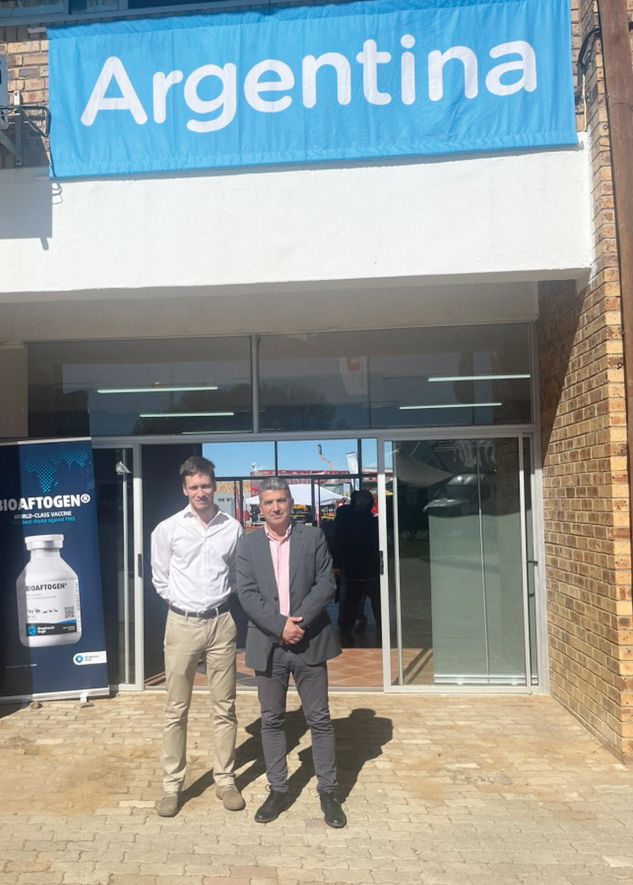
Argentina was among the countries that maintained a strong and consistent presence. Having participated in NAMPO since 2007, the country returned this year with a diversified delegation. Facundo Grimberg from the Argentine Embassy’s Trade Section noted that the group included both agricultural machinery manufacturers and animal health specialists. A notable participant was Biogénesis Bagó, which is currently supplying foot-and-mouth disease (FMD) vaccines to South Africa. The delegation used the event to strengthen ties and demonstrate Argentina’s ongoing commitment to the local agricultural sector.
China
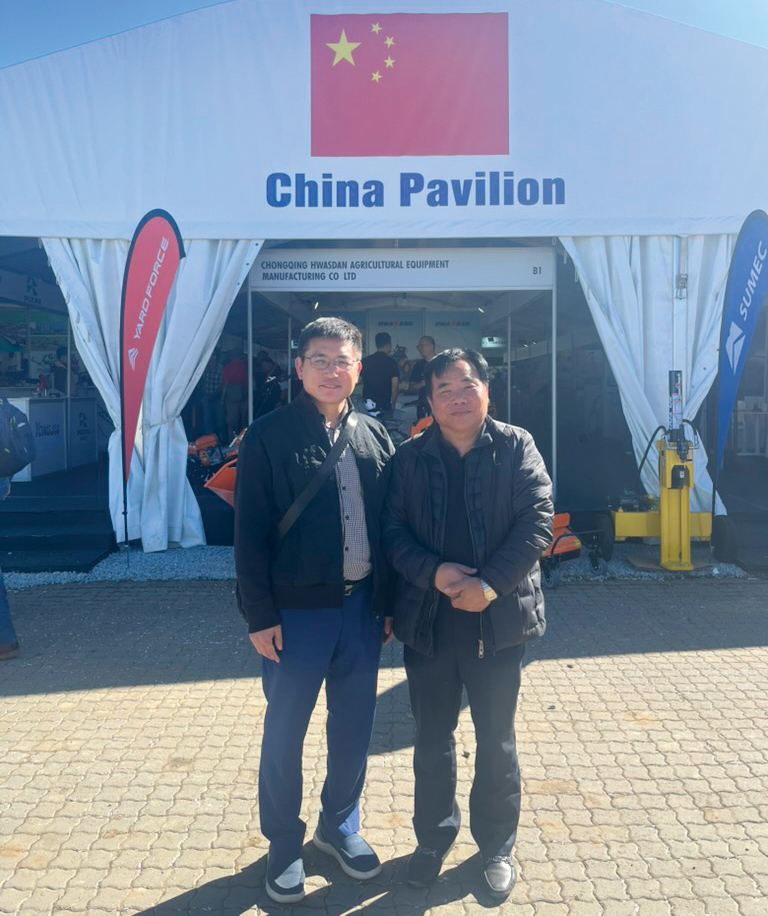
A new development this year was the introduction of a Chinese Pavilion. Its organisers described the initiative as a reflection of strengthening trade relations between China and South Africa. The pavilion brought together 26 companies, all focused on agriculture, showcasing machinery, components, and equipment.Many of these offerings emphasised affordability alongside improving quality – an important consideration for producers navigating cost pressures. The pavilion also aimed to encourage greater engagement by giving Chinese companies firsthand exposure to the South African market.
Italy
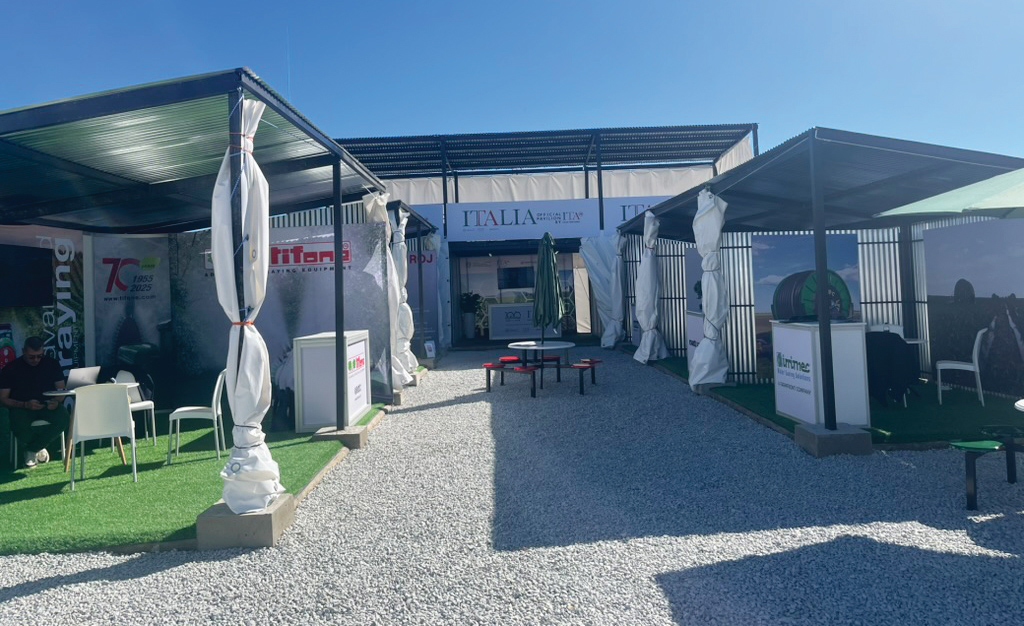
European exhibitors continued to play a prominent role. The Italian Pavilion, organised by the Italian Trade Agency, featured a group of companies specialising in areas such as irrigation, pumping systems, and precision agriculture technology. For these exhibitors, NAMPO provided an opportunity to connect directly with local dealers and better understand the needs of South African producers. While acknowledging that parts of the local machinery market are still developing, they pointed to strong potential for growth, particularly in the adoption of more advanced technologies.
France
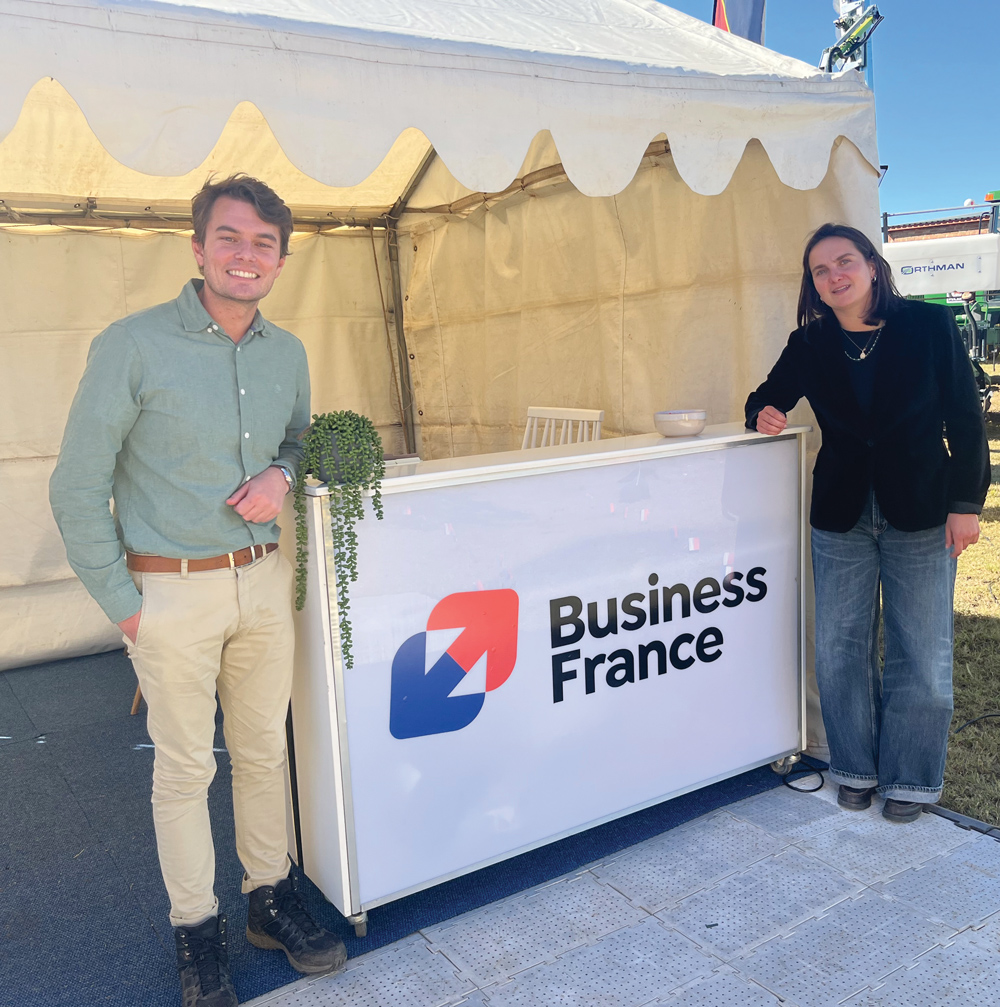
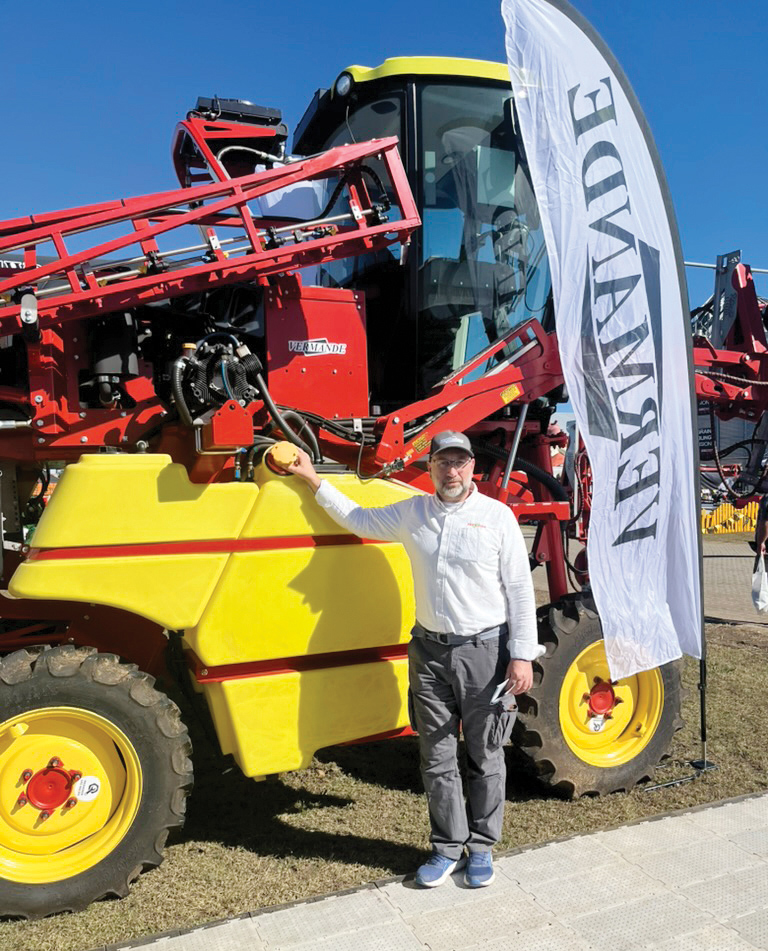
France, represented by Business France, also maintained its presence, supporting companies looking to expand into Southern Africa. One of the exhibitors, Vermande, returned to NAMPO after previously attending the event a decade ago. As a family-owned business with more than 70 years of experience, the company used the platform to reconnect with the market and showcase its specialised equipment. Representatives highlighted NAMPO’s continued importance as the leading agricultural event in the region.
United Kingdom
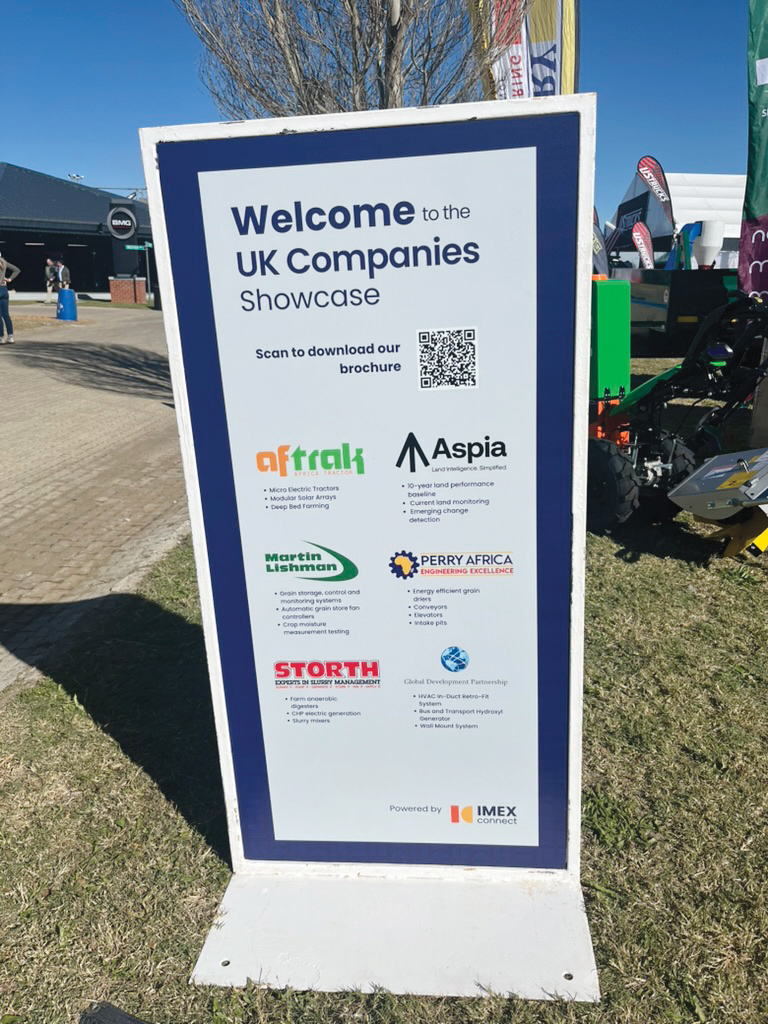
The United Kingdom’s participation, coordinated by IMEX Connect, reflected a continued interest in the African market despite changes in formal government involvement. Six companies exhibited this year, including Aftrak, Martin Lishman, and Storth. The focus was on building relationships, identifying partnerships, and maintaining a long-term presence in the region. Many of the companies have attended NAMPO before, underlining the event’s value in sustaining industry connections.
Türkiye
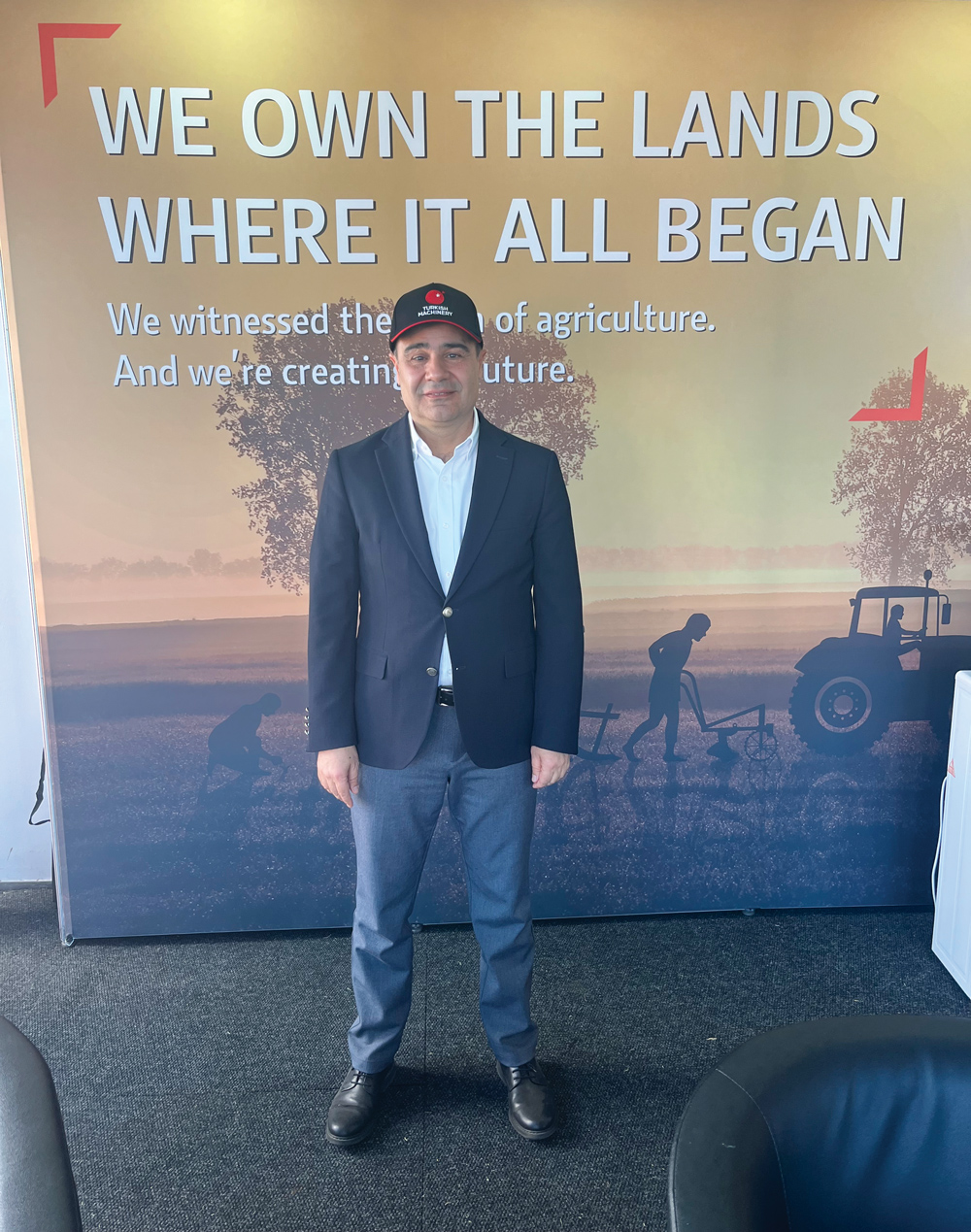
Türkiye, now in its second year at NAMPO, also signalled growing interest. According to Eray Akan of the Turkish Machinery Association, the country’s agricultural equipment industry offers a competitive combination of quality and affordability. He noted that Turkish manufacturers often produce machinery for established European brands, even if their own names are less visible. While interest in the South African market is increasing, participation remains constrained by limited exhibition space, a challenge that, if addressed, could see even greater Turkish involvement in future.
The NAMPO Harvest Day continues to serve as a vital gateway into the African agricultural market. Beyond product displays, it remains a space where relationships are built, perceptions are shaped, and new opportunities take root. For South African producers, the growing international presence translates into broader choice, increased competition, and greater access to global innovation.