

‘Unlocking agriculture’s full potential requires leaders who can manage complexity, embrace innovation, and above all, understand that the greatest asset in any agricul-
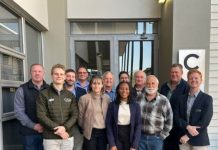
tural enterprise is its people,’ said Richard Krige, Grain SA chairperson, at the recent completion ceremony of the Leadership Academy for Agriculture in South Africa. The event marked the conclusion of the 15th leadership development programme, which began in April 2026 and was completed by 24 participants.
His message reflected the central theme of the programme, that the future of agricul-
ture will depend not only on advances in technology and science, but also on leaders who can bring people together, navigate complex challenges, and turn innovation into practical results. Krige emphasised that people remain at the heart of successful agri-
cultural enterprises, with leadership grounded in mutual respect, empathy, integrity, humility, and a shared sense of purpose.
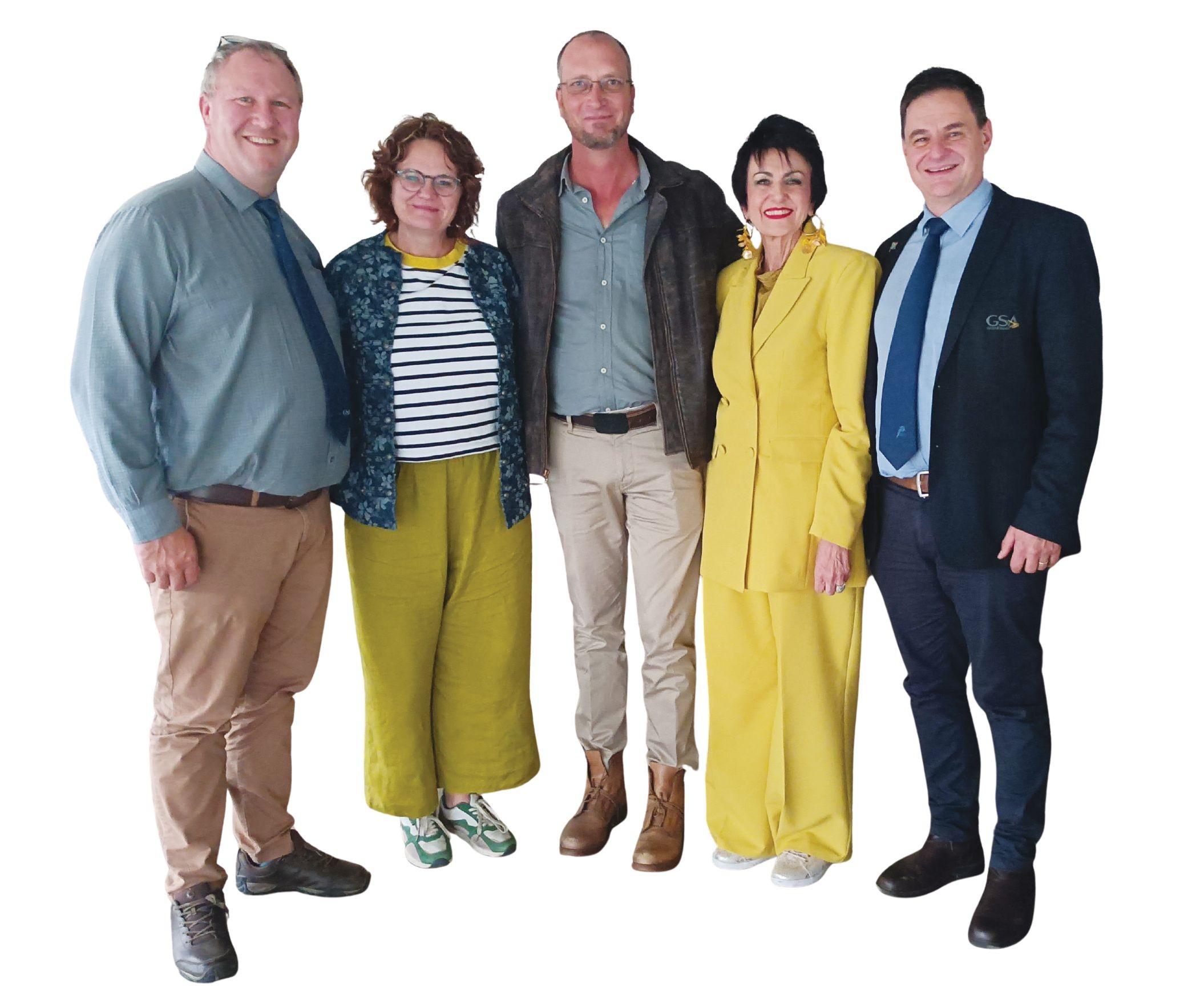
The Leadership Academy, sponsored by Bayer, is presented by Thinking Fusion Africa, with certification from the North-West University (NWU) Business School and takes place under the custodianship of Grain SA. It is designed to build leadership capability within the agricultural community by equipping participants to think beyond their own farms, businesses and organisations, engage constructively with stakeholders, and contribute to solutions that support a more resilient and competitive agricultural sector.

According to Prof René Uys, director of Thinking Fusion Africa, South African produ-
cers need the emotional resilience to face the harsh realities of farming in this country. ‘In short, they need to be both skilled and courageous, which is why self-development is so important. In this regard, the leadership programme is invaluable,’ she said.
The programme reinforces Bayer’s belief that investing in leadership development is fundamental to strengthening the agricultural sector and securing its future. By suppor-
ting leadership capacity, Bayer aims to contribute to stronger decision making, impro-
ved collaboration, more resilient businesses, and a more connected agricultural community across the value chain.
‘At Bayer, we believe deeply in the future of agriculture. We also believe that science, innovation, and partnership can only create lasting impact when they are supported by strong leadership,’ said Maria Vnuchkova, Bayer value proposition lead for Commercial Farmers.
She noted that the agricultural sector is changing rapidly and that the value of new technologies and innovation ultimately depends on how effectively they are used to address real challenges. Strong leaders, she said, have an important role to play in turning new opportunities into meaningful progress by bringing people together, making informed decisions, and creating an environment in which innovation can translate into practical benefits for farms, businesses, and communities.
Messy problems
Participants completed the programme part time under demanding conditions, balan-
cing the requirements of the programme with their daily responsibilities on farms and in businesses and organisations. Over the course of the programme, they enga-
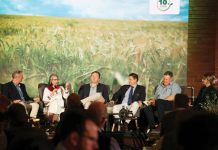
ged in leadership learning and peer collaboration. They were also divided into three groups to undertake practical project work focused on real challenges identified as ‘messy problems’ across the agricultural value chain. These challenging projects, each addressing a specific topic and exploring possible solutions, required extensive research and exceptional online teamwork. The working groups presented their fin-
dings and proposed solutions to a panel for evaluation during the event.
The impact of infrastructure decline and logistics inefficiencies on agricultural competi-
tiveness was explored by the Pipeline Protectors Group. They focused on how roads, rail, and ports influence cost structures and profitability in grain production. The group considered how deteriorating infrastructure and fragmented coordination between public institutions and private stakeholders can drive up transport costs and erode margins, while producer have little control over these systems. Against this backdrop, they investigated collaborative interventions to improve logistics performance and reduce cost leakage across the agricultural value chain.
Turning to the barriers limiting access to innovation in South African agriculture, the Agri Innovation Lab Group considered policy, institutional, and market-based solutions to enable the faster and responsible adoption of productivity enhancing technologies. They noted that improved genetics, crop protection solutions, digital tools, and mecha-
nisation can strengthen productivity and help producers manage risk, yet regulatory delays and slow adoption pathways may leave local producers trailing their global counterparts. The group made recommendations on how the need for regulatory oversight can be balanced with more timely access to innovation.
The ability of the agricultural sector to anticipate, interpret, and respond to global eco-
nomic and geopolitical volatility was the focus of the Sustainable Solutions Squad. They researched disruptions in energy markets, fertiliser supply, and international trade that can reach farms rapidly, creating risks that are not always easy to anticipate or interpret at a local level. The group examined ways to strengthen decision making under these circumstances by translating global developments into practical infor-
mation and actionable responses for producers.
‘By presenting the programme attendees with a messy problem which they need to address through systems thinking, we challenge them to look beyond the obvious, understand the different factors at play and work collaboratively towards practical solutions,’ said Prof Uys. ‘There is no single or straightforward answer to a messy problem, which makes it an effective way of developing the critical thinking, decision making, communication, and leadership skills that producers need when confronted with complex challenges in the real world. They undertake the systems thinking work over and above learning about leadership, getting self-insight, and mastering coaching.’

Putting leadership into practice
However, the true value of the academy is perhaps best captured in the reflections of Mlibo Qotoyi, junior operations manager at Grain SA, who successfully completed the 2026 programme.
‘For me, the Leadership Academy was a journey of self-discovery. I came to understand that true leadership is not about position or title, but about being accessible, creating an environment where people feel safe to contribute, and being willing to stand along-
side those you lead,’ he said.
The programme taught him that leadership requires remaining grounded while ha-
ving the courage to think differently, innovate, and inspire others. The academy also gave him a deeper understanding of systems thinking, greater self-awareness, the importance of communication, adaptability, and accountability, as well as the different people who contribute to the agricultural sector.
‘I leave the programme with a strong sense of purpose to lead with humility, listen before acting, bring people together, and contribute towards an agricultural sector in which both farmers and people can prosper,’ said Qotoyi.