



Corné Louw, head: Applied Economics and Member Services,
Grain SA
The cost, quality, and availability of agricultural inputs remain important factors influencing the profitability of South African grain producers. From increasingly expensive machinery and fertiliser to access to crop protection products and improved seed, producers face several challenges that extend beyond the farm gate. Addressing these challenges requires cooperation across the agricultural value chain to ensure that farmers can continue producing sustainably and competitively.
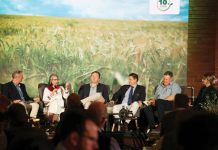
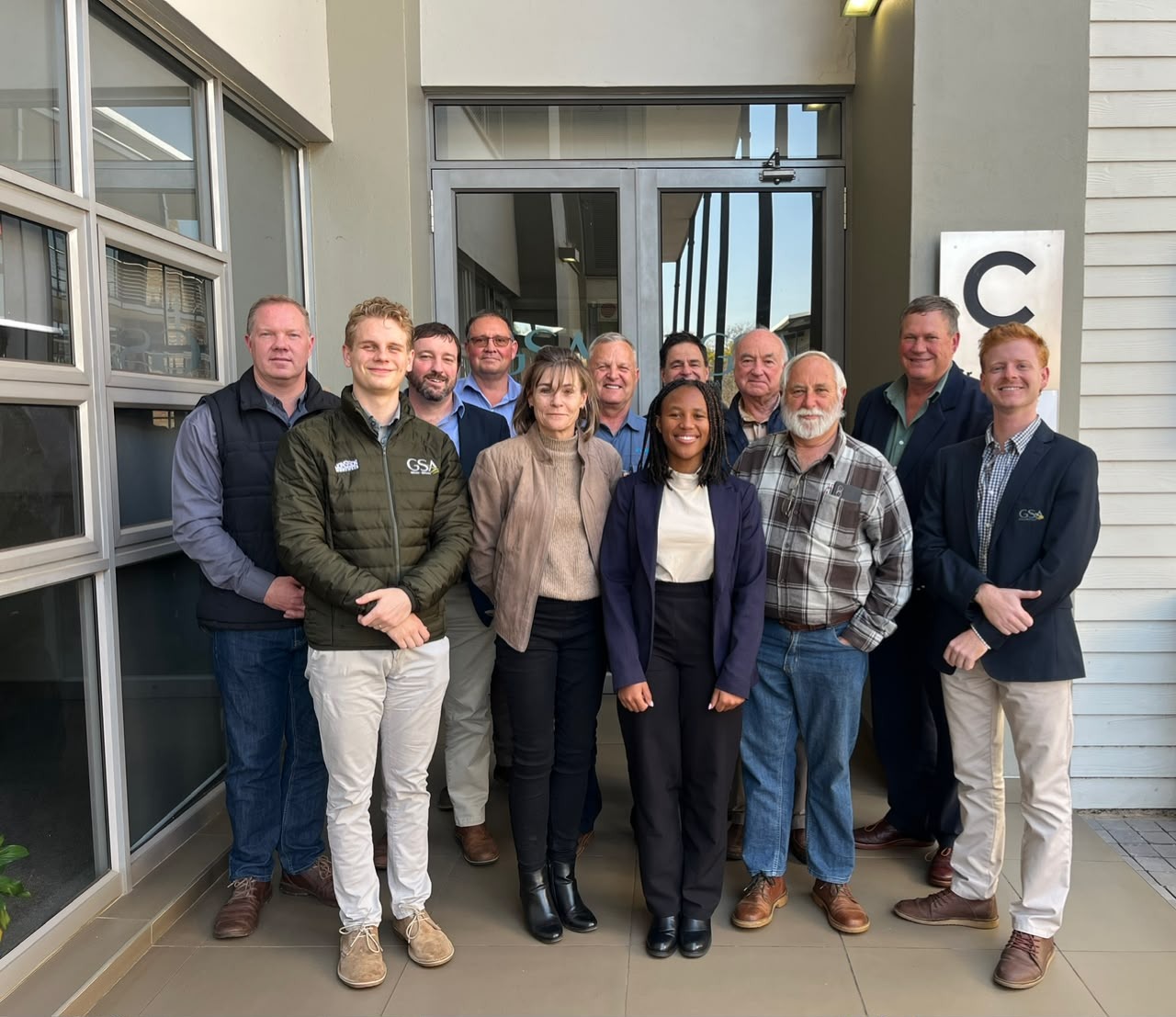
Every year, the Grain SA Production/Input Working Group engages with key input-sector organisations including the South African Agricultural Machinery Association (SAAMA), CropLife South Africa, the Fertiliser Association of Southern Africa (Fertasa) and the South African National Seed Organisation (SANSOR). The purpose of these meetings is to provide a platform where producers can communicate their concerns directly to input-sector stakeholders, while allowing these organisations to gain a better understanding of the challenges producers face. The discussions aimed to move beyond identifying problems towards finding practical win-win solutions that could support producer profitability and strengthen the broader grain industry.
What emerged from the discussions was a picture of an industry facing several interconnected pressures, from the practical cost of maintaining machinery to the longer-term implications of regulatory delays and declining seed sales. Grain SA’s presentation to the industry showed that grain producers are also experiencing challenges, with high global grain supplies and expectations of a sizeable local maize and soybean harvest adding pressure on commodity prices. Meanwhile, rising input costs continued to erode margins. The preliminary budgets suggested that grain producers could struggle to cover both variable and fixed costs in the 2026/2027 season.
Machinery affordability extends beyond the purchase price
For many producers, replacing a tractor or upgrading equipment was no longer simply a question of what the farm needed; it was also a question of what the enterprise could afford. This was one of the central topics of Grain SA’s engagement with SAAMA on 28 July. Higher machinery prices, financing costs, and maintenance expenses had made investment decisions increasingly difficult. In response, some producers were extending the lifespan of existing equipment or considering second-hand machinery rather than committing to new purchases.
However, buying cheaper equipment did not necessarily mean spending less in the long run. Imported machinery and components could offer lower upfront costs, but product quality, spare-parts availability, and after-sales support remained important conside-
rations. A machine that could not be repaired promptly during a critical period could cost a producer far more than the initial saving.
Logistics added another layer to the problem. SAAMA reported that delivery times for machinery and spare parts through Durban Harbour had increased from approximately four weeks to between eight and ten weeks in some cases. For producers working within tight planting and harvesting windows, such delays could have serious operational consequences.
Also covered by the discussion were regulatory obstacles, including applications for import rebates on certain tractor tyres, which had been considered by the International Trade Administration Commission of South Africa (ITAC)[1], and different provincial requirements for transporting agricultural machinery.
The message was clear that machinery affordability could not be measured by the price on the invoice alone. Reliability, access to support, delivery times, and the ability to keep equipment operating all influenced the true cost of ownership. Fit for purpose specifi-
cation was an important discussion when it comes to agricultural machinery prices. Buy the implement needed first before deciding on the tractor specification, was some of the advice from SAAMA to control unnecessary tractor costs.
Maintaining access to crop protection products
While machinery challenges centred on affordability and reliability, the engagement with CropLife SA later the same afternoon highlighted a different concern: whether producers would continue to have access to the products they needed to protect their crops.
The backlog in registrations and renewals under Act No 36 of 1947 raised questions about the availability of crop protection products. Potential restrictions or withdrawals also created uncertainty, particularly where suitable alternatives were not readily available[2].
For producers, losing access to an effective product could mean more than having to purchase an alternative product. It could affect their ability to manage specific pests and diseases, potentially increasing production risks and costs. Grain SA and CropLife therefore discussed the importance of providing practical, evidence-based information when products were reviewed (derogation). This included identifying the crops affected, the target pests or diseases, available alternatives, and the likely consequences of losing access to a product.
Access, however, was only one part of the conversation. The responsible use of crop protection products remained essential. Correct handling, storage and application, adherence to product labels, and the safe disposal of obsolete pesticides and empty containers all played a role in protecting farm workers and the environment. CropLife started an initiative to assist producers with the safe recovery and environmentally responsible disposal of obsolete pesticides at no cost. Producers can click on this link for more information: https://bit.ly/4z4FtyB.
The discussion reinforced the need to balance responsible pesticide use and effective regulation. Producers need to use crop protection products responsibly, but they also need effective tools to protect their crops and manage the risks associated with production.
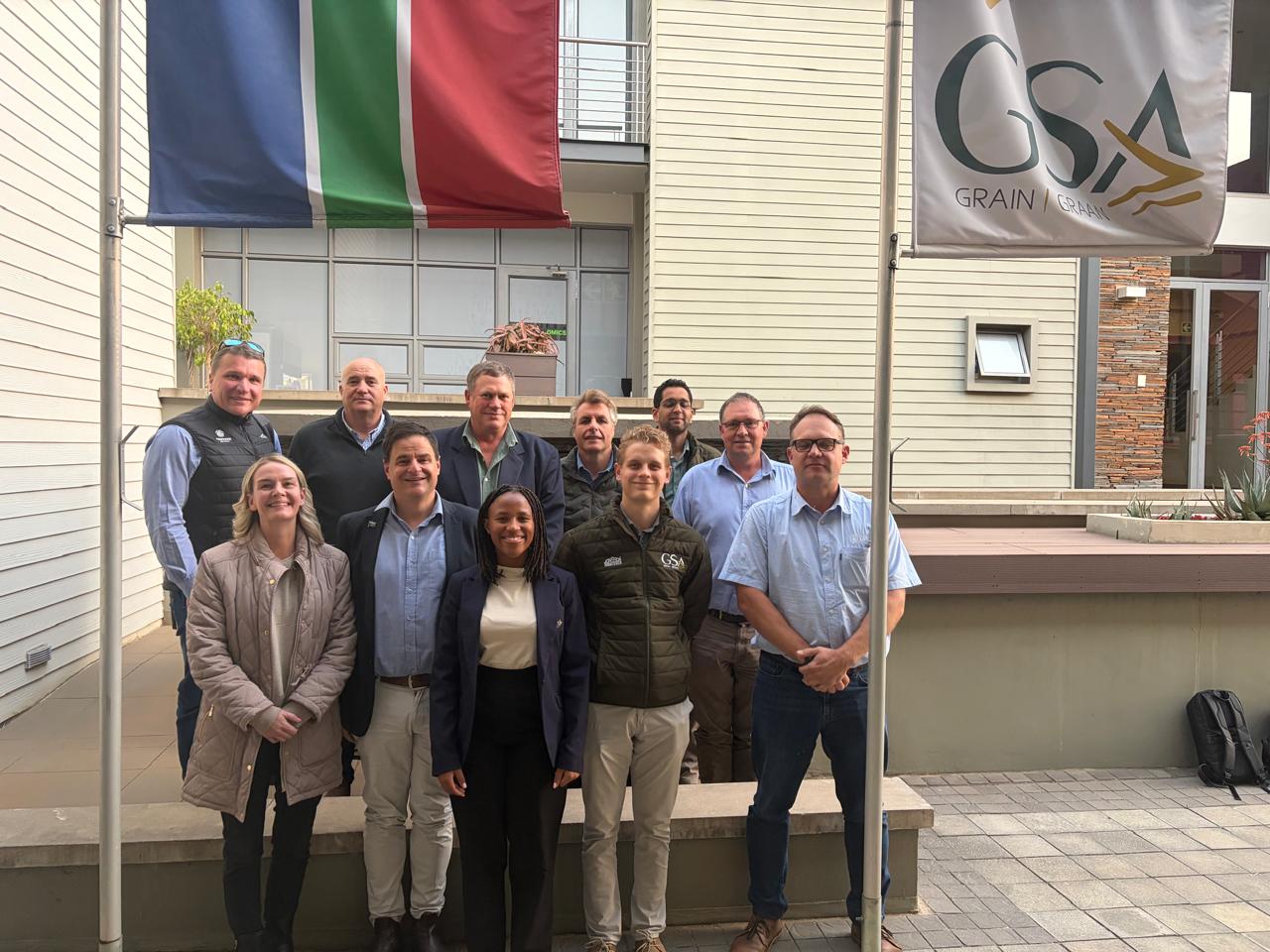
Fertiliser affordability and domestic production
Fertiliser costs were another major concern, particularly because South African produ-
cers remained exposed to developments in international markets. During the engage-
ment with Fertasa on 29 July, the conversation centred on affordability, product quality, and the factors influencing supply. Although immediate shortages were not identified as a major concern, dependence on imported fertiliser products and raw materials left producers vulnerable to global market uncertainty.
The conversation also turned to the potential for greater domestic production, inclu-
ding the possibility of Foskor returning to production. Strengthening local manufactu-
ring capacity could help reduce some of the industry’s exposure to external pressures, but this would require suitable infrastructure, reliable energy supplies, and greater certainty for investors.
For some producers, the cost of getting inputs to the farm was just as concerning as the cost of the products themselves. Agricultural lime illustrated this particularly well, where, in certain areas, transport expenses could equal or even exceed the value of the lime being delivered.
Pricing transparency of especially lime, product quality monitoring, and registration backlogs were also raised. These were not merely administrative concerns. They affected producers’ ability to compare products, plan expenditure, and make informed decisions about soil fertility.
This meeting brought attention to a challenge that extended beyond the fertiliser price itself. The affordability of an input depended on the entire supply chain, from produc-
tion and regulation to transport and delivery. Improvements at any of these stages could help ease some of the pressure on farm budgets.
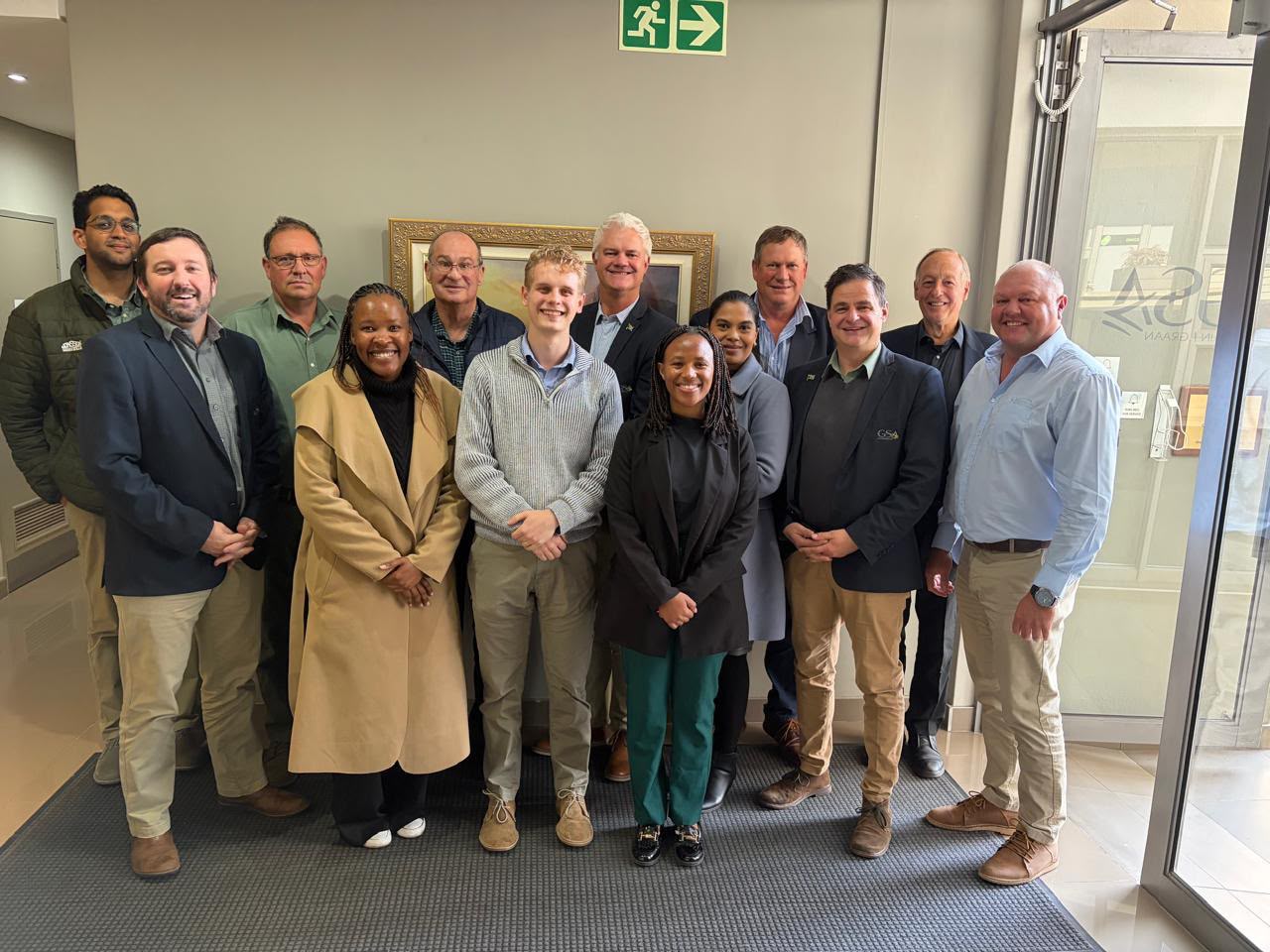
Balancing seed affordability, regulations, and innovation
The engagement with SANSOR on 18 September brought focus on how seed could remain affordable for producers without undermining the investment needed to develop better cultivars. The conversation highlighted a growing tension between the immediate need to manage production costs and the long-term requirement to sustain innovation in plant breeding. This became particularly relevant in light of advances in new breeding technologies (NBTs), which are increasingly being recognised globally as potential game changers in plant breeding.
Figures presented during the meeting indicated that soybean seed sales had declined by approximately 20 to 25%. For producers facing tight margins, reducing input expen-
diture was understandable. Yet declining sales also raised concerns about the returns available to seed companies and plant breeders, whose research supported the deve-
lopment of improved cultivars suited to changing production conditions and disease pressures. Without that investment, the development of improved varieties could become more challenging, potentially affecting the industry’s longer-term competitiveness.
The discussion extended beyond seed prices to the systems and legislation governing the industry. Concerns about the South African Cultivar and Technology Agency (SACTA) system included declaration processes, market-share calculations, and administrative efficiency. Stakeholders emphasised the need for transparent processes that reflected industry realities and could be understood by those affected.
Farm-saved seed, the practice known as ‘brown-bagging’, end-point royalties, and the implementation of the Plant Breeders’ Rights Act were also discussed. Although the need to address illegal practices was acknowledged, the conversation highlighted the importance of ensuring that producers understood the relevant requirements and their responsibilities.
Disease surveillance and reliable cultivar information added another dimension. As diseases continued to influence production risks in maize and oilseed crops, producers needed dependable information on cultivar performance and disease ratings to make suitable seed choices for their farming conditions.
The conversations showed that seed affordability could not be considered in isolation. The industry needed a system that recognised the financial pressures on producers while maintaining the incentives required to develop the cultivars that future produc-
tion would depend on.
What’s next?
Taken together, the four meetings revealed that the challenges facing grain producers rarely existed in isolation. A machinery breakdown could become more expensive when spare parts were delayed. Fertiliser affordability could be affected by international markets and transport costs. Crop protection decisions depended partly on regulatory processes, while seed purchasing decisions influenced both current production costs and future investment in innovation.
These were different challenges, but they all had one thing in common, their conse-
quences were ultimately felt on the farm. Ultimately, the engagements highlighted that pressure was being felt on both sides of the agricultural value chain. While producers grappled with rising input costs and tightening profit margins, input-sector organi-
sations faced their own challenges around regulation, supply chains, production costs, and sustaining investment in innovation. This shared reality reinforced the need for greater understanding and collaboration, as the long-term sustainability of the grain industry depended on both producers and input suppliers remaining viable.
The work did not end when the meetings concluded. With the concerns raised, Grain SA continued engaging with input-sector organisations, suppliers, and regulators, particu-
larly where changes in policy, administration, or industry practices could affect produ-
cers’ costs and access to essential inputs. The overarching outcome was the importance of building relationships and partnerships to ensure that, by the same time the following year, tangible progress will be seen.
[1] Media-Release-Temporary-rebate-for-new-tyres.pdf
[2] Producers can consult the Agricultural Remedies List for information on restricted agricultural remedies.