



Dr Andries le Roux,
SU-BFAP Precision Agriculture Chair, Stellenbosch University

Cecile Bester, Department of Genetics, Stellenbosch University
South African agriculture is characterised by innovation, adaptability, and a strong tradition of learning from both science and practice. As new technologies mature (such as precision agriculture) and production systems evolve (for example, regenerative agriculture), there is an increasing opportunity to strengthen how research infrastructure supports producers and the wider grain value chain – ensuring that scientific advances translate into real on farm value for producers.
To remain relevant and effective in this changing landscape, the Faculty of AgriSciences at Stellenbosch University (SU) has embarked on a strategic initiative known as the Faculty of the Future. This initiative provides a clear roadmap to enable the faculty to sustainably serve the future needs of South Africa’s agriculture, food, fibre, and beverage industries. It encompasses strategic management and operational efficiency, while also informing critical processes such as infrastructure renewal and the repositioning of the Plant Science groupings.
Central to this initiative is the identification and prioritisation of the faculty’s strategic imperatives. Viewed from both disciplinary and interdisciplinary perspectives, these focus areas guide future resource and budget allocations, ensuring that human capital, infrastructure, and operations are optimally aligned for long term impact. In parallel, the initiative places strong emphasis on building external partnerships and networks to strengthen collaboration, relevance, and innovation.
Within this strategic framework, SU has strengthened several key components of its grain research infrastructure. These include the SU-BFAP Precision Agriculture Chair, advanced high throughput phenotyping capabilities, and a renewed emphasis on field based research through the Faculty of AgriSciences and the Welgevallen experimental farm. Together, these platforms support an integrated research approach that links digital agriculture, crop performance insights, and realities on farms, positioning grain research to deliver value both now and into the future.
SU-BFAP Chair in Precision Agriculture
The SU-BFAP Chair in Precision Agriculture at the SU Department of Agronomy is a strategic initiative focused on advancing data-driven decision making in South African crop production systems. The Chair, with Dr Andries le Roux at the helm, combines research, technology integration, industry collaboration, and student training to support more resilient, efficient, and sustainable farming systems under increasingly variable climatic conditions. Supported through collaboration with the Bureau for Food and Agricultural Policy (BFAP) and industry partners such as Grain SA and John Deere, the Chair aims to bridge the gap between scientific innovation and practical on-farm implementation.
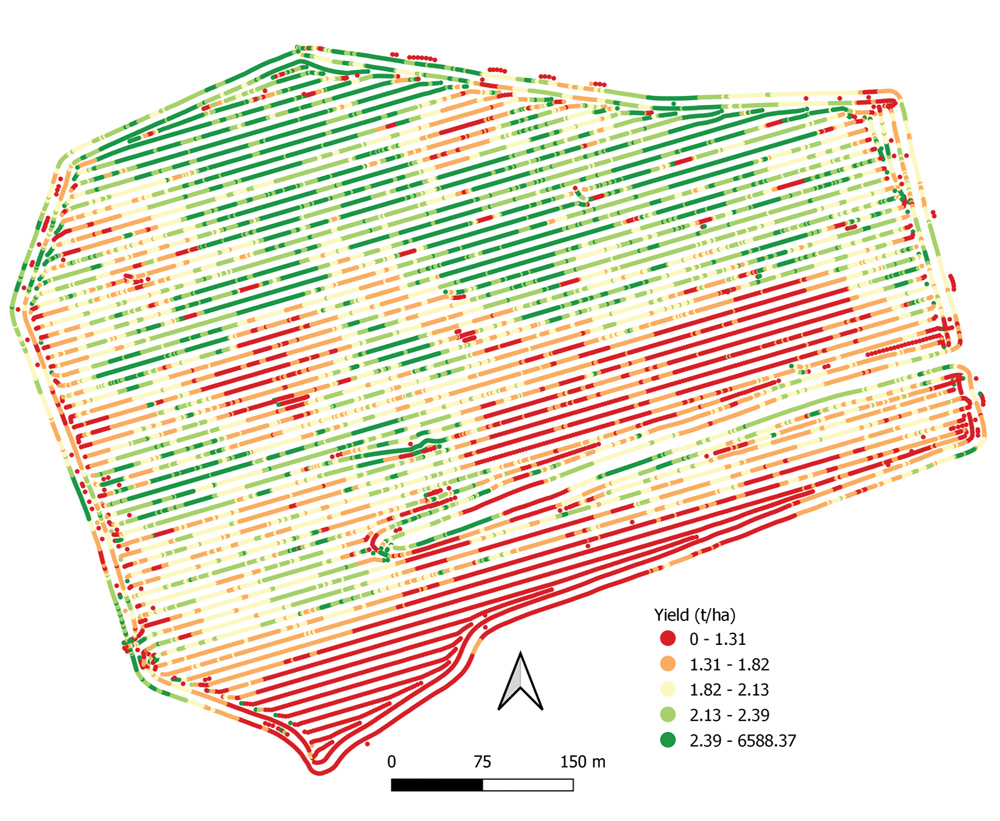
Key focus areas include precision crop management, climate risk analysis, remote sensing, spatial data analytics, and on-farm precision experimentation. Current projects include the development of data-intensive farm management systems, the use of satellite and machinery-derived datasets for variable-rate decision making, and collaborative on-farm trials evaluating management responses across different production environments. The Chair also investigates the interaction between climate variability and crop performance, particularly in dryland systems, to support adaptive management strategies and improve long-term production resilience in South African agriculture.
Collaboration for producers and the value chain
- On-farm research partnerships (producers) to evaluate precision agriculture practices under commercial farming conditions
- Research on climate risk management (on-farm weather data/weather station data) and adaptive crop production strategies
- Partnerships with agribusinesses and technology companies to evaluate new agricultural technologies (precision-tool testing like the collaboration with OneSoil)
- Training and capacity development opportunities for producers, students, and industry stakeholders
The National Plant Phenotyping Platform
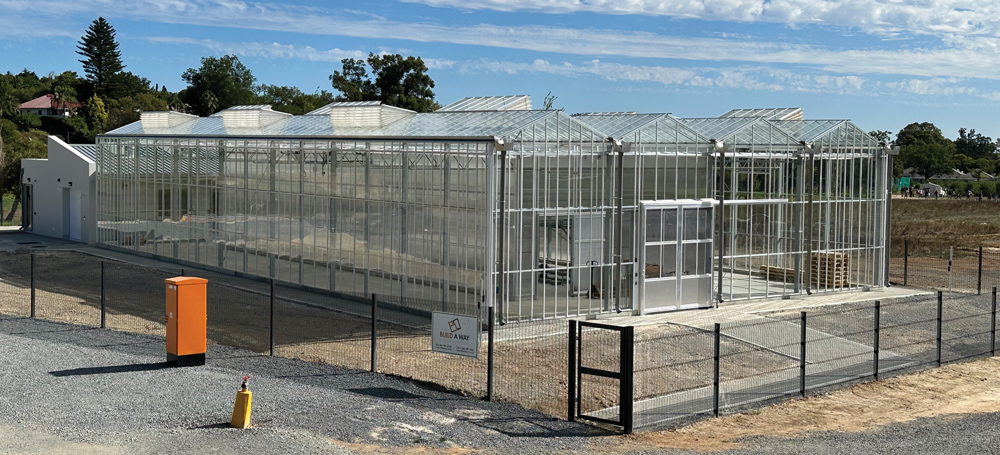
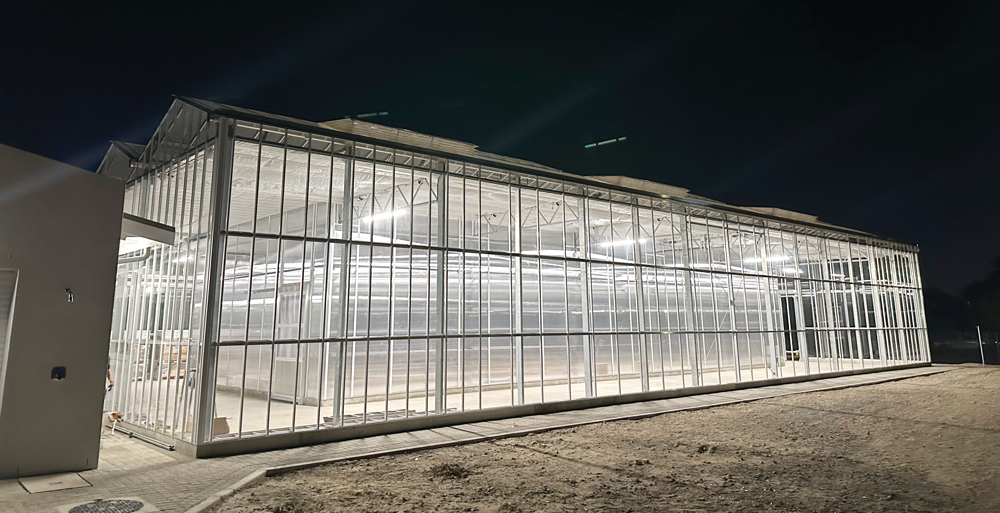
Technological advances now enable greater monitoring and tracking of plants throughout their lifecycle, increasing available data and enhancing decision making for researchers. The National Plant Phenotyping Platform, funded by the Department of Science, Technology and Innovation’s High Infrastructure Grant, will enable local researchers to utilise world-class phenotyping technology. Two complementary facilities will be established at SU and the University of Pretoria.
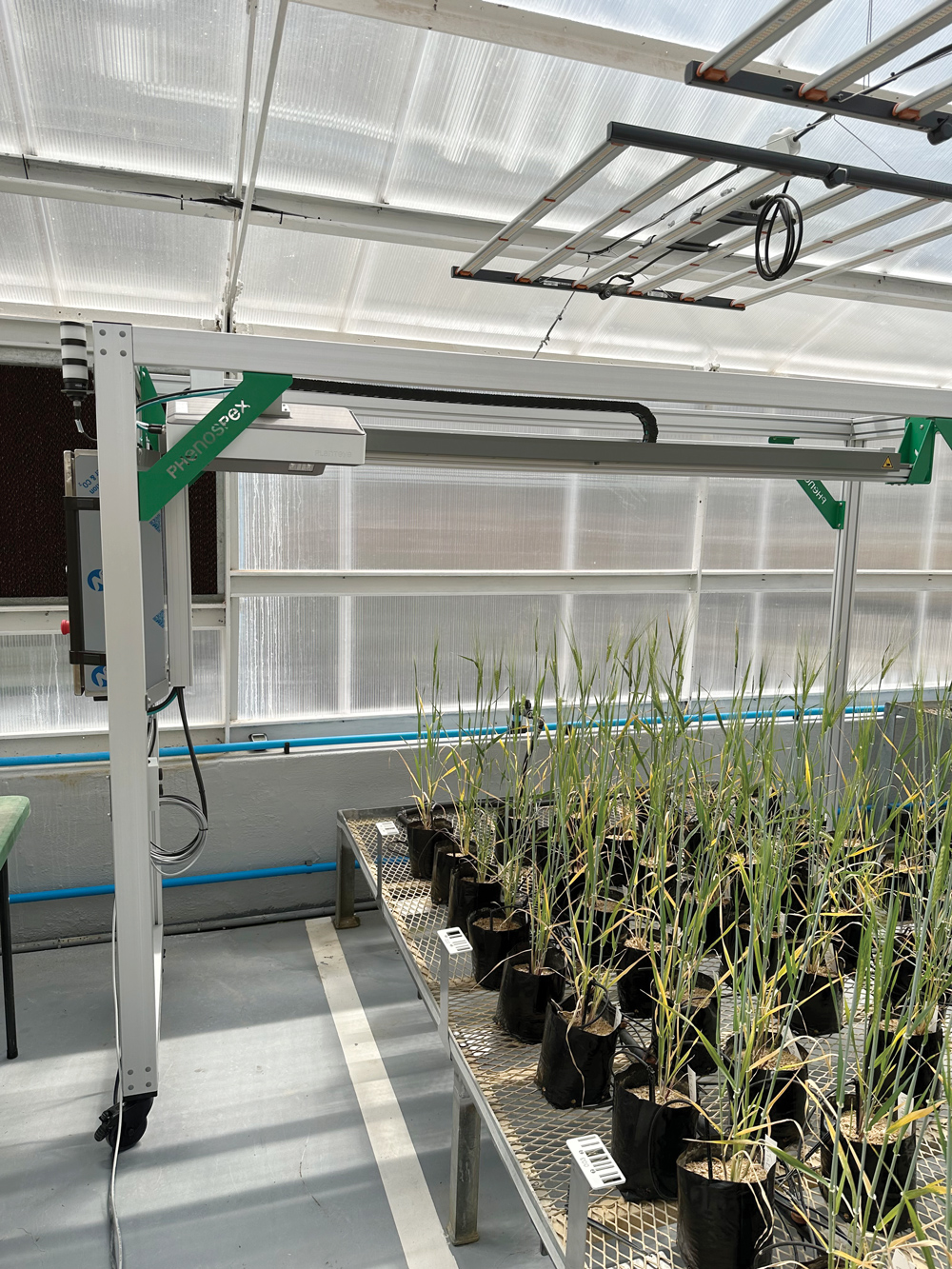
The SU Plant Phenotyping Platform has multiple multispectral plant scanners from Phenospex, a biotechnology company located in the Netherlands. These devices can measure key morphological and physiological plant parameters as the plants grow, without being destructive. Researchers can use this data to better understand the whole plant life cycle, make selections based on specific time points, or measure a plant’s response during periods of stress. The platform is also equipped with a DroughtSpotter system, which can measure water use efficiency following precision irrigation.
The availability of the National Plant Phenotyping Platform will strengthen collaboration and enhance national plant phenotyping efforts, providing South African researchers and companies access to cutting-edge technologies.
Conclusion
Our motivation is clear: to stay relevant, we must be prepared to adapt in a rapidly changing world. The Faculty of the Future represents a commitment to optimising the value proposition of SU AgriSciences, using its diversified skill sets and research capacity to address both current and future realities of the agricultural sector.
For grain producers and industry partners, these developments create opportunities to engage directly with problem-focused, collaborative, and impact-oriented research. Through partnerships, on-farm trials, shared data, and co-designed research questions, AgriSciences at SU aims to ensure that its research infrastructure not only advances science but delivers tangible value to the grain industry.
Contact information
- Prof Pieter Swanepoel, Chair: Department of Agronomy (pieterswanepoel@sun.ac.za)
- Dr Andries le Roux, SU-BFAP Chair in Precision Agriculture (andriesleroux@sun.ac.za)
- Cecile Bester, Department of Genetics (cecilebester@sun.ac.za)