


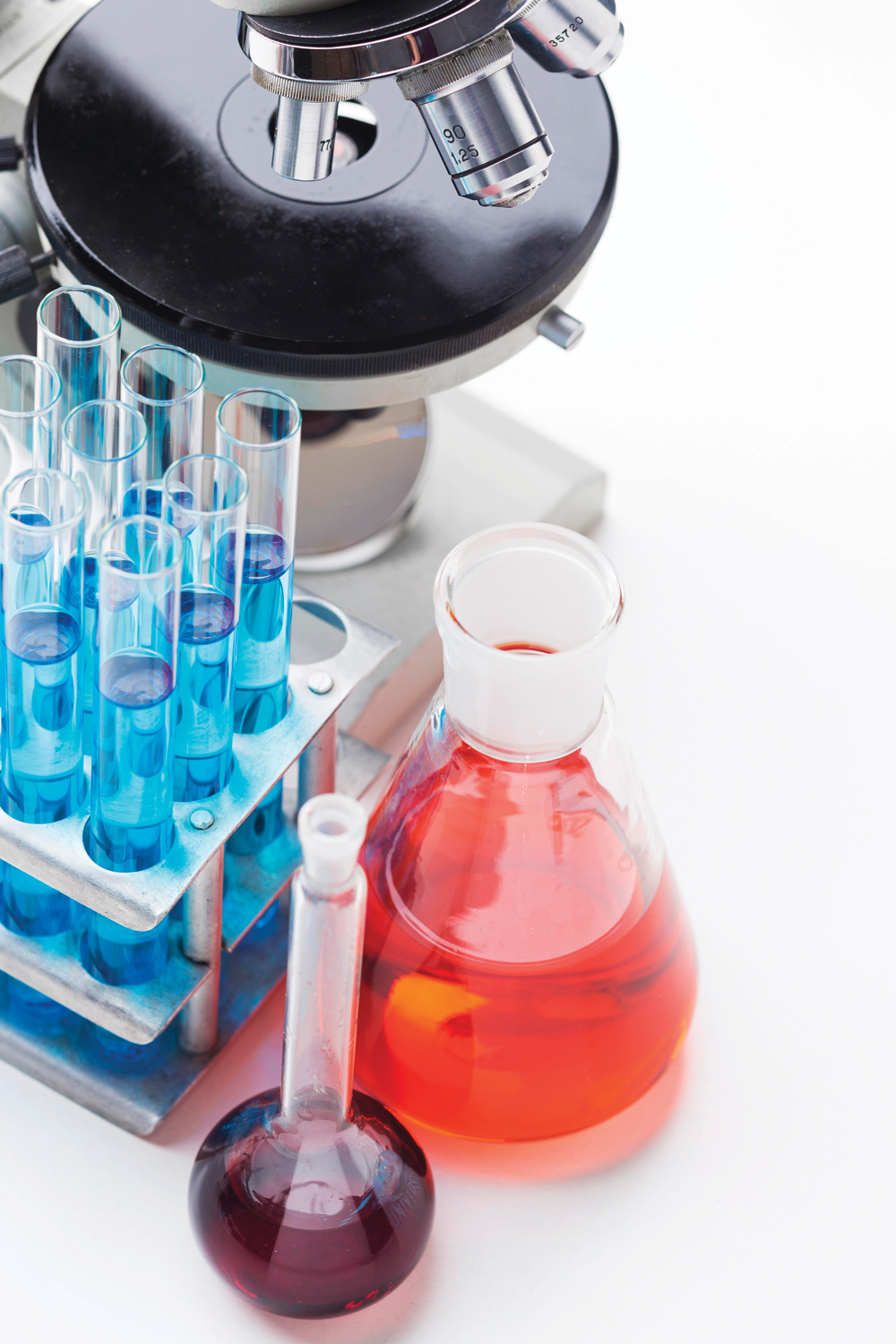
From the moment we wake up until we go to bed, chemistry quietly shapes almost every aspect of our lives. The batteries in our phones, the fuel that powers our vehicles, the medicines that keep us healthy, the fertilisers that nourish our crops, and the pesticides that protect these crops from pests all rely on chemistry. In fact, many of the advances that have improved quality of life over the past century have been made possible through the responsible use of chemicals. There is little doubt that chemistry has helped build the modern world.
At the same time, the rapid growth of industry and the global population has increased the volume of chemicals being produced, transported, and used. While chemicals provide enormous benefits, it can also pose risks to human health and the environment if it is misused or disposed of irresponsibly. As a result, managing chemicals responsibly throughout its life cycle has become an increasingly important global priority.
Recognising this need, countries around the world adopted the Global Framework on Chemicals – For a Planet Free of Harm from Chemicals and Waste (GFC) in September 2023 during the Fifth International Conference on Chemicals Management (ICCM5), convened under the United Nations Environment Programme (UNEP). The GFC replaces the previous Strategic Approach to International Chemicals Management (SAICM) and provides a voluntary global framework to improve the sound management of chemicals and waste.
The framework contains five strategic objectives and 28 targets to be achieved by 2030 or 2035. Together, these objectives aim to strengthen legislation and governance, improve scientific knowledge and access to information, identify and address chemicals of concern, promote safer and more sustainable alternatives, and enhance cooperation, capacity-building, and resource mobilisation. Rather than prescribing identical solutions for every country, it encourages governments and stakeholders to develop practical actions that reflect their own national circumstances.
South Africa’s response
Although chemicals management cuts across many government departments, the implementation of the GFC in South Africa is coordinated by the Department of Forestry, Fisheries and the Environment (DFFE). Working together with other government departments, academia, civil society, and industry representatives, the DFFE is developing a national implementation plan (NIP) that translates the global targets into measurable actions relevant to South African conditions.
The first phase of the NIP provides a high-level assessment of chemical management across all sectors that use chemicals, including mining, manufacturing, pharmaceuticals, cosmetics, and agriculture. Over time, each sector will develop measurable indicators that can be used to monitor progress against the framework’s objectives.
Although the GFC contains many cross-cutting objectives, one of the most significant for agriculture is Target A7. This target calls on countries to take effective measures to phase out highly hazardous pesticides (HHPs) where risks cannot be adequately managed and where safer, affordable alternatives are available, with the deadline to achieve this goal being 2035.
While 2035 is the formal target date, producers and other stakeholders can expect this transition to occur gradually over the coming decade.
Some products may disappear entirely, while others may remain available only for specific uses where suitable alternatives do not yet exist.
What does this mean for South African agriculture?
In South Africa, HHPs include agricultural remedies classified as substances of concern, primarily carcinogens, mutagens and reproductive toxins, and restricted agricultural remedies, which are predominantly products with high acute toxicity, as defined in the Regulations Relating to Agricultural Remedies published in August 2023.
South Africa has already made considerable progress towards this objective. Agricultural remedies classified as substances of concern have largely been phased out, with provision for exceptional cases where an essential remedy may be authorised through a formal derogation process. At the time of writing, no agricultural remedy has received such a derogation for agricultural use. Several restricted agricultural remedies remain available, although their use is subject to additional controls and restrictions.
The 2023 regulations also support another important GFC objective by allowing the Registrar of Act No. 36 of 1947 to prioritise the review of products that can replace remedies lost through the phase-out of HHPs. Products considered to present a lower risk may therefore be fast-tracked for registration, ensuring that producers continue to have access to effective crop protection tools.
Replacing pesticides is not always straightforward
Although the transition to lower-risk products is an important objective, replacing highly hazardous pesticides is not always as simple as substituting one product for another.
The suitability of alternatives depends on the specific pest, crop, and production system. For phytosanitary pests, where export markets often require virtually complete control, replacement products must deliver comparable levels of efficacy. In other situations, however, complete eradication may not be necessary. Some pests can be successfully managed below economic threshold levels through suppression rather than elimination.
Other factors also need to be considered, including crop residues, resistance management, and the long-term sustainability of pest control programmes.
For this reason, integrated pest management (IPM) remains one of the most effective approaches to sustainable crop protection. IPM combines multiple strategies, including pest monitoring, biological control, cultural practices, resistant crop varieties, and carefully timed pesticide applications to manage pests while reducing unnecessary chemical use. By applying pesticides only when and where they are needed, producers can reduce both exposure and environmental risk without compromising crop productivity.
Progress beyond highly hazardous pesticides
Agriculture has already made substantial progress towards several other GFC targets. For example, Target B6 calls for all countries to implement the Globally Harmonised System of Classification and Labelling of Chemicals (GHS). In South Africa, GHS has been mandatory for agricultural remedies since September 2023, providing consistent classification and hazard communication across the sector.
Target D2 encourages governments to promote circular economy approaches. One example is the Extended Producer Responsibility Regulations, introduced in March 2023, which require empty pesticide containers to be collected for recycling, and obsolete pesticides to be recovered and destroyed by thermo-destruction. This is already operating close to optimal levels in South Africa; more than 500 tonnes of obsolete pesticides have been recovered and destroyed since 2024, and pesticide packaging recovery by the end of 2025 was exceeding the regulated targets for most of the packaging types.
Another important milestone is Target A6, which encourages countries to establish poison information centres with the expertise needed to respond to poisoning incidents. South Africa is well positioned in this regard through the Tygerberg Poison Information Centre (TPIC), the Poison Information Helpline of the Western Cape, and the Griffon Poison Information Centre. The TPIC is actively assisting nations all over Africa to either establish poison information centres or to grow their expertise and competencies. The centre hosts monthly meetings with medical professionals in poison centres across Africa and Europe to exchange case studies and discuss capacity development to strengthen poison information centres in Africa.
Looking ahead
The ambitious targets of the GFC will not be achieved overnight. However, they provide governments, industry, and other stakeholders with a practical roadmap for continuously improving the way chemicals are managed throughout their life cycle. By setting measurable objectives and monitoring progress, the framework promotes accountability while allowing each sector to identify priorities that are both achievable and meaningful.
Chemistry has transformed modern society – from the medicines that keep people healthy and the technologies that drive economic growth to the agricultural innovations that help feed a growing population. The challenge facing this generation is not whether to use chemicals, but how to use it responsibly. By embracing sound chemical management and continuously improving the way chemicals are produced, used, and disposed of, we can continue to enjoy their many benefits while protecting both people and the environment for current and future generations.