


Sorghum is more than just a grain; it’s a sustainable, health-promoting food source that fits beautifully into modern lifestyles. Whether you’re seeking a gluten-free alternative, a plant-based protein, or simply a delicious way to nourish your body, sorghum offers a world of possibilities.
Why sorghum?
Sorghum, known locally as mabele thoro, amazimba, or amabele, is a resilient and versatile cereal grain that has nourished Southern African communities for thousands of years, thriving where other crops struggle. Originating in Africa and now cultivated globally, sorghum is the fifth most-produced cereal crop in the world. Its adaptability to South Africa’s arid and semi-arid climate, combined with its nutrient-rich profile, makes it a sustainable solution for securing staple foods, especially as climate change brings hotter, drier weather.
What is sorghum?
Sorghum is incredibly versatile and comes in a variety of forms. It belongs to the grass family and produces small, round grains that range in colour from white and pale yellow to deep red, brown, black, and purple. The kernels could be either high in tannins, known as bitter sorghum, or low in tannins, known as sweet sorghum. Whole-grain sorghum kernels retain their bran, germ, and endosperm, providing maximum nutrition. The softer, more refined form, where the bran and germ are removed, is known as pearled sorghum.
However, all sorghum kernels, regardless of colour or tannin content, are edible, tasty, and nutritious. Sorghum is gluten-free, making it an excellent alternative for those with gluten sensitivities or celiac disease.
Sorghum can be cooked like rice or quinoa, ground into flour for baking, or popped as a snack. It features in porridges (like South Africa’s Maltabella), flatbreads, cookies, cakes, couscous, and malted beverages. In West Africa, it’s used in dishes like tuwo, fura, and gruel, while in Indonesia, fermented sorghum products like tape and brem are popular.
This naturally gluten-free grain is a wise choice for modern, health-conscious diets as it is rich in complex carbohydrates (72-74 g/100 g), providing lasting energy, along with protein (10-12 g/100 g) and fibre (6,5-8,5 g/100 g) that support digestion and satiety. It provides B vitamins essential for energy metabolism, supporting vitality and overall well-being, as well as minerals such as calcium, magnesium, iron, and zinc to support metabolic health, strengthen bones, boost immunity, and enhance energy levels. At the same time, the antioxidants in sorghum promote heart health and overall well-being. The high fibre and protein content promote satiety, reduces hunger, and help regulate glucose levels, making sorghum beneficial for weight management.
Nixtamalisation: unlocking its potential
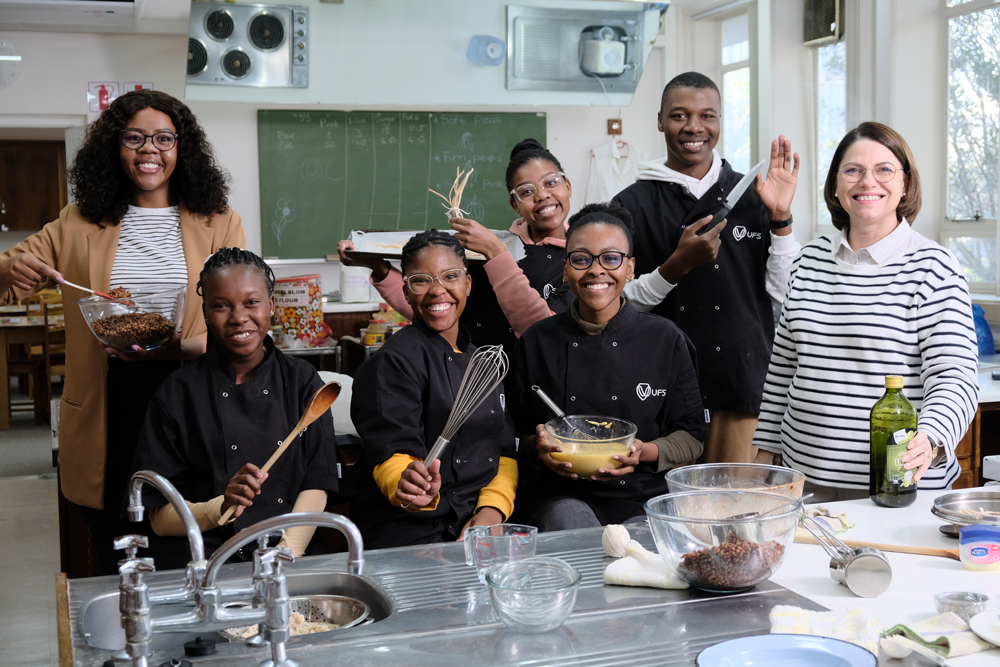
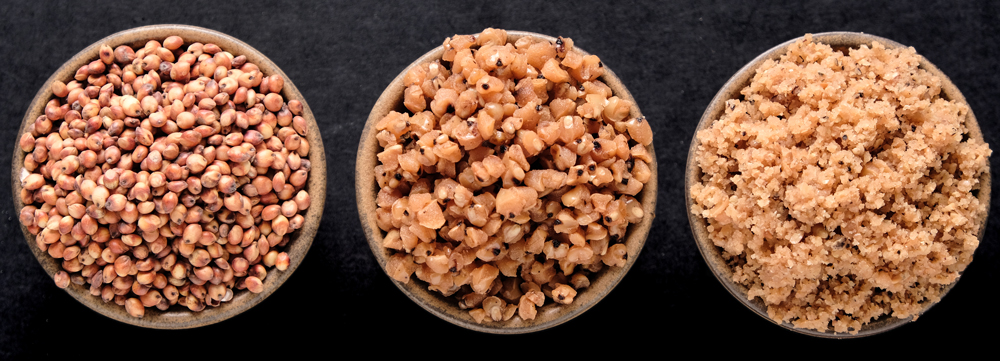
Nixtamalisation is an ancient cooking technique that utilises an alkaline solution to soften grains and enhance their nutritional value. Traditionally applied to maize in Mexico, this process also works wonders for sorghum, enhancing its flavour, improving texture, and making key nutrients like niacin and essential minerals more bioavailable. It also reduces compounds that block absorption and helps neutralise harmful toxins, making sorghum safer and easier to digest. In short, nixtamalisation transforms sorghum into a more nutritious, versatile ingredient for modern recipes.
Slaked lime (also known as calcium hydroxide) is used in the nixtamalisation process to prepare sorghum for cooking. It is inexpensive and available at pharmacies.
The following recipes are extracts from the recipe book Nixtamalized & Nourishing: Sorghum recipes reimagined, that celebrates sorghum in its nixtamalised form, a process that enhances its taste, texture, nutritional content, and digestibility, meant to inspire and nourish.
Preparing basic types of nixtamalised sorghum
The following recipes use one of the basic types of nixtamalised sorghum: whole nixtamalised sorghum kernels or pulverised sorghum dough.
Whole nixtamalised sorghum kernels
Ingredients
500 ml dried whole sorghum kernels
1,5 litres water
15 ml slaked lime powder
Method
- In a large pot, combine the dried whole sorghum kernels, water and slaked lime powder. Stir to dissolve the slaked lime powder.
- Bring the mixture to boil and cook for 20 minutes with the lid on.
- Remove the pot from the heat and leave the sorghum to stand in the lime water for about eight hours.
- Rinse the sorghum until the water is clear and rub it between your hands to remove the skin.
Pulverised sorghum dough
Ingredients
500 ml dried whole sorghum kernels
1,5 litres water
15 ml slaked lime powder
Method
- In a large pot, combine the dried whole sorghum kernels, water and slaked lime powder. Stir to dissolve the slaked lime powder.
- Bring the mixture to the boil over high heat and reduce heat once it boils. Cook for 20 minutes with the lid on.
- Remove the pot from the heat and leave the sorghum to stand in the lime water for about eight hours.
- Rinse the sorghum until the water is clear and rub it between your hands to remove the skins.
- Place batches of the sorghum kernels in a food processor and mix it until a crumbly dough forms.
- Add a tablespoon of water to the food processor if needed to form a paste-like dough.
- Use the sorghum dough right away or store it in an airtight container and freeze for later use.
Try these recipes
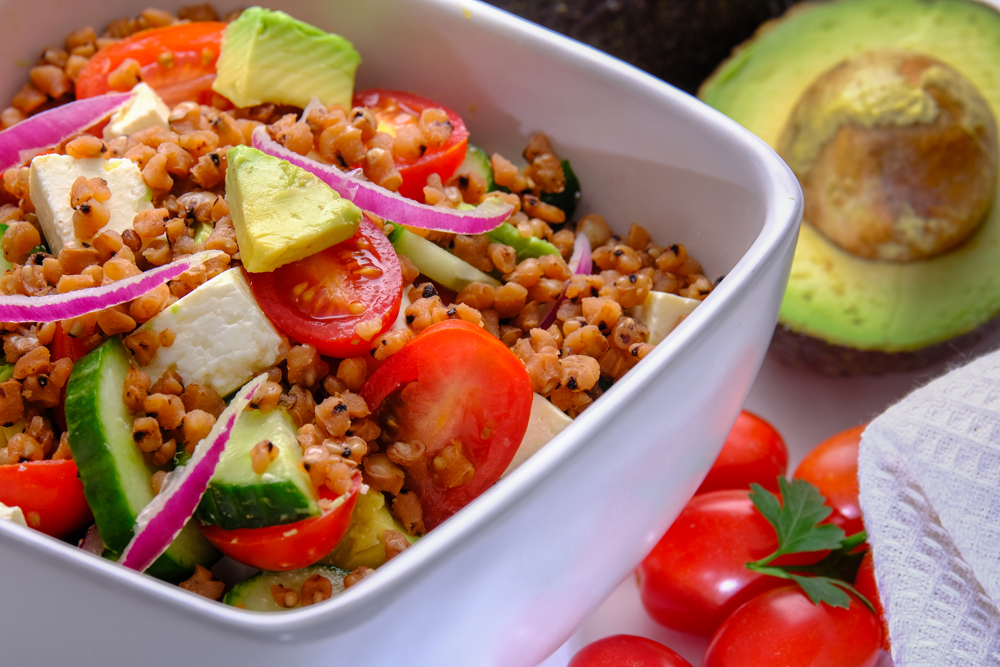
Sorghum salad
Ingredients for the salad
2 ripe avocados
2 discs feta cheese
100 ml cherry tomatoes
1 medium red onion
1 large cucumber
500 ml whole nixtamalised sorghum kernels
5 ml salt
5 ml black pepper
fresh coriander leaves, finely chopped
Ingredients for the salad dressing
100 ml olive oil
5 ml mustard
10 ml soy sauce
50 ml red wine vinegar
15 ml honey
Method for the salad
- Chop all the fresh ingredients as finely as you would like.
- In a large mixing bowl, mix the fresh ingredients with the whole sorghum.
- Season with salt and black pepper, add fresh coriander and toss.
Method for the dressing
- Mix all the dressing ingredients in a large glass jar. Close the lid tightly and shake well until everything is thoroughly mixed.
- Pour the dressing over the salad just before serving.
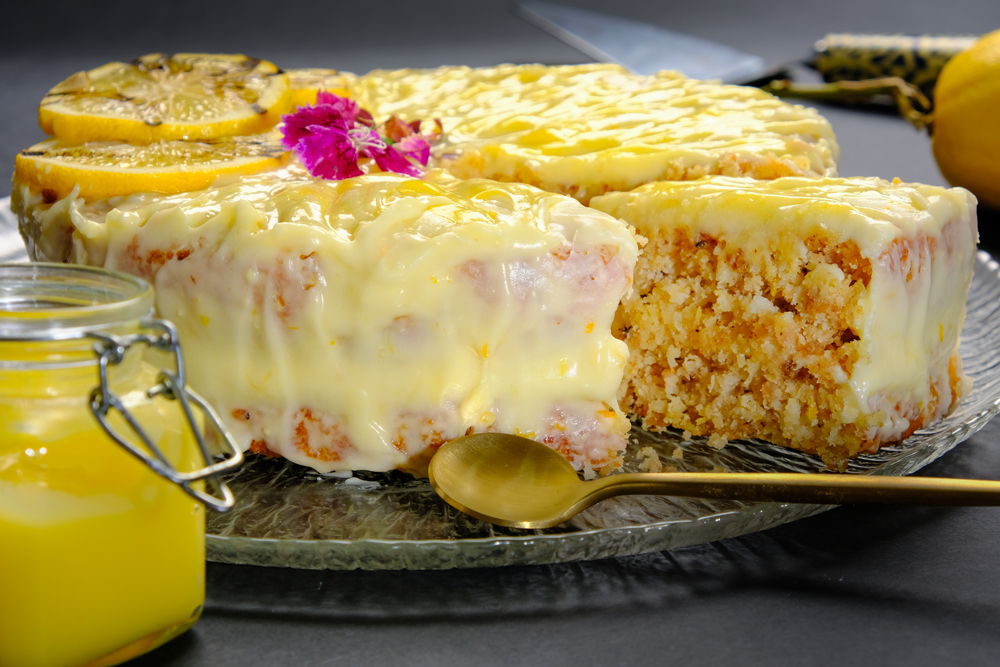
Gluten-free sorghum citrus cake
Ingredients for the cake
500 ml pulverised sorghum dough
250 ml almond flour
250 ml desiccated coconut
5 ml salt
5 ml baking powder
250 ml caster sugar
250 ml butter, softened
3 large eggs
1 orange, juice and zest
1 lemon, juice and zest
Ingredients for the cream cheese icing
100 ml butter or hard margarine, softened
500 ml icing sugar
10 ml vanilla essence
250 ml cream cheese
Ingredients for the lemon curd
200 ml lemon juice
125 ml unsalted butter
200 ml white sugar
3 large eggs
15 ml grated lemon zest
Method for the cake
- Preheat oven 180 °C.
- Line a medium-sized round cake tin with baking paper.
- Add the almond flour and desiccated coconut to the pulverised sorghum.
- Add salt and baking powder to the sorghum mixture and set aside.
- Cream the caster sugar and softened butter in a separate bowl, whisk in the eggs, and add the orange and lemon juice and zest.
- Stir the creamed mixture into the sorghum mixture. Mix all the ingredients until well combined and spoon the mixture into two round cake tins.
- Bake at 180 °C for 45 minutes or until a skewer that is inserted comes out clean.
- Cool for about 30 minutes before icing.
Method for the cream cheese icing
- Beat softened butter and icing sugar until creamed, add vanilla essence and cream cheese, beat until combined.
Method for the lemon curd
- Combine the lemon juice, sugar, butter, eggs and lemon zest in a double boiler.
- Stir over low heat until the mixture thickens.
- When it has thickened, remove from the heat and transfer to a jar to let it cool. Store in the refrigerator once cool.
To assemble the citrus cake
- Sandwich the two cake layers with half the icing and some of the refrigerated curd.
- Ice the top and sides of the cake with the remaining cream cheese icing and drizzle the remaining curd over the top of the cake.
Sorghum isn’t just an ancient grain; in fact, it’s a modern solution for healthy, sustainable eating. Whether in a vibrant salad or a comforting bake, this versatile ingredient brings flavour, nutrition, and tradition to your table. So why not give sorghum a place in your kitchen and rediscover the goodness of sorghum, a grain that has stood the test of time?
The nixtamalisation of sorghum is a PhD project currently being done by Ayanda Zulu, lecturer at the Department of Sustainable Food Systems and Development at the University of the Free State. She is working under the supervision of Prof Alba du Toit and Dr Faith Matiza Ruzengwe. The project is funded by the Sorghum Cluster Initiative, which is supported by the Department of Science and Innovation (DSI), the Technology Innovation Agency (TIA), and the Sorghum Trust.