


van Rensburg,
ARC-Grain Crops,
Potchefstroom
Maize, a staple crop across the globe, faces many challenges – from droughts to pests. One of its more insidious enemies is a fungal disease known as cob and tassel smut, also called maize head smut. Caused by the soilborne fungus Sphacelotheca reiliana (syn. Ustilago reiliana), this disease has a long history of wreaking havoc in maize fields, particularly in regions like South Africa, Mexico, and parts of Asia and Europe.
Cob and tassel smut is notorious for its cyclical nature. South Africa saw devastating outbreaks in the 1970s and 1980s, with entire fields lost to the disease. The introduction of resistant hybrids and fungicide seed treatments helped suppress the pathogen, reducing natural inoculum levels to near zero. However, in recent years, the disease has re-emerged, particularly in Mpumalanga’s Standerton area as well as in the North West (Koster), where susceptible hybrids and favourable environmental conditions have allowed the fungus to regain ground.
What does it look like?
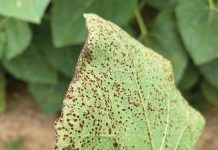
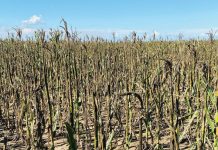
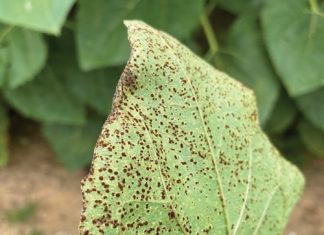
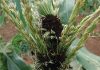
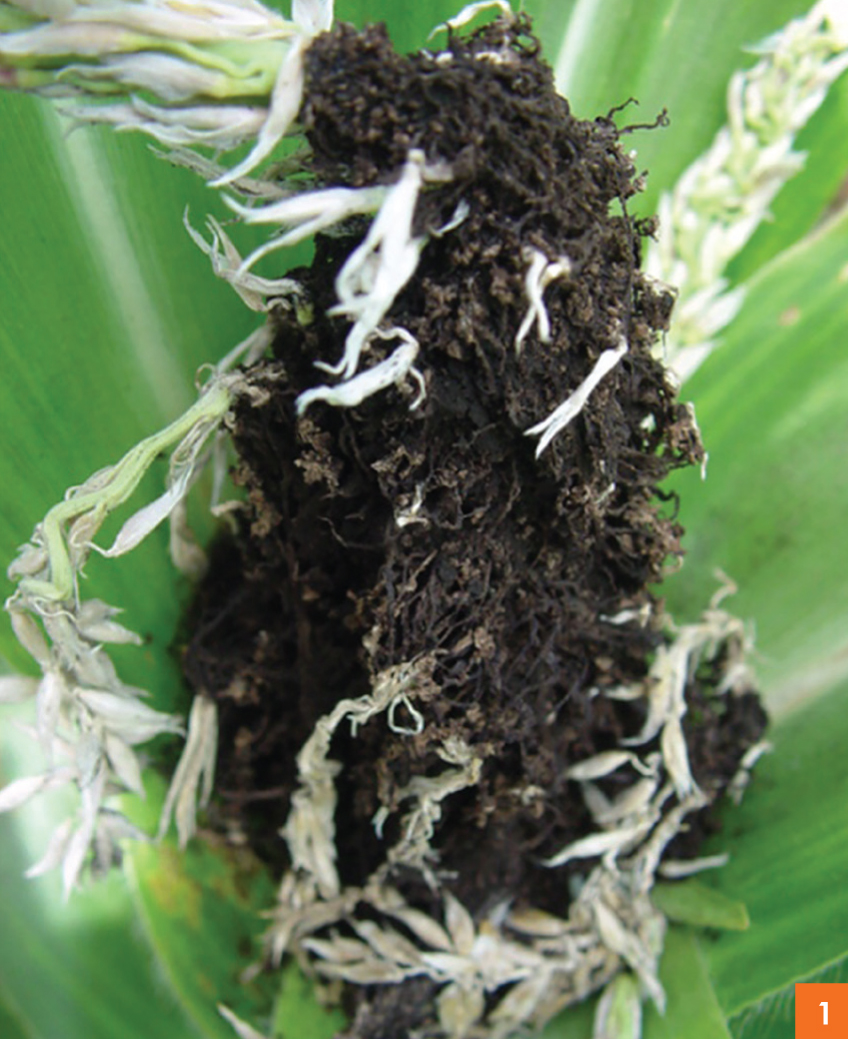
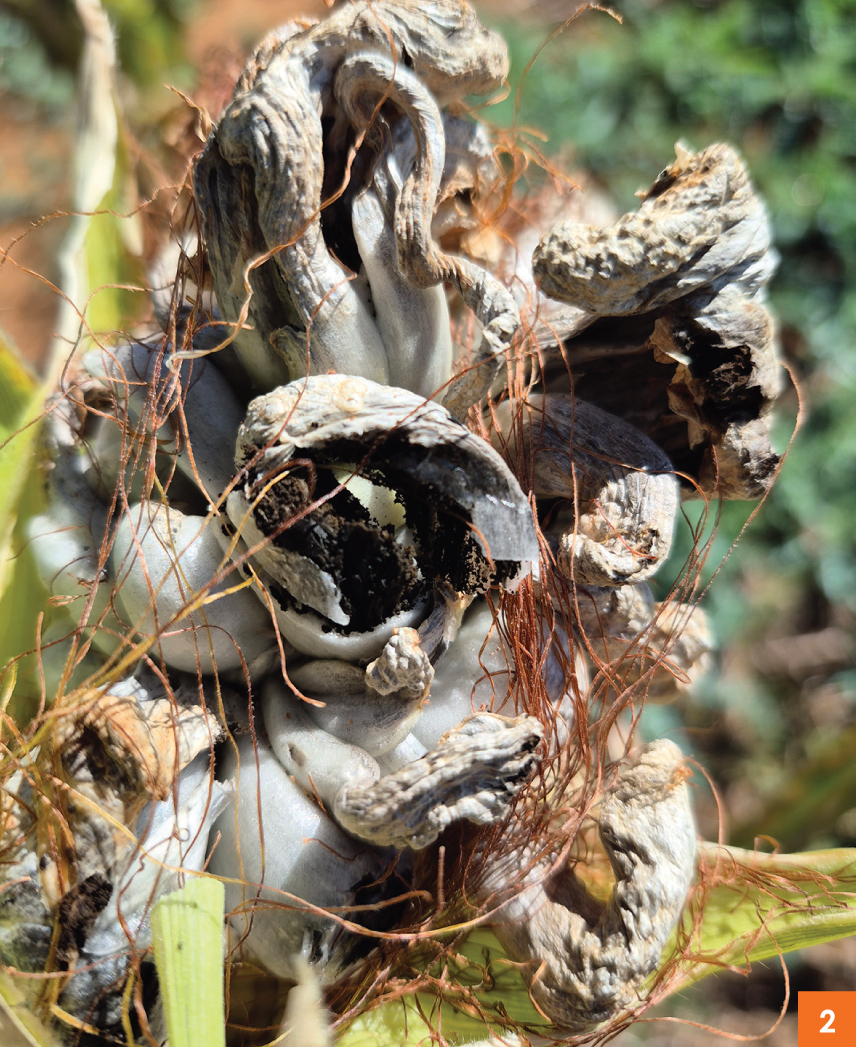
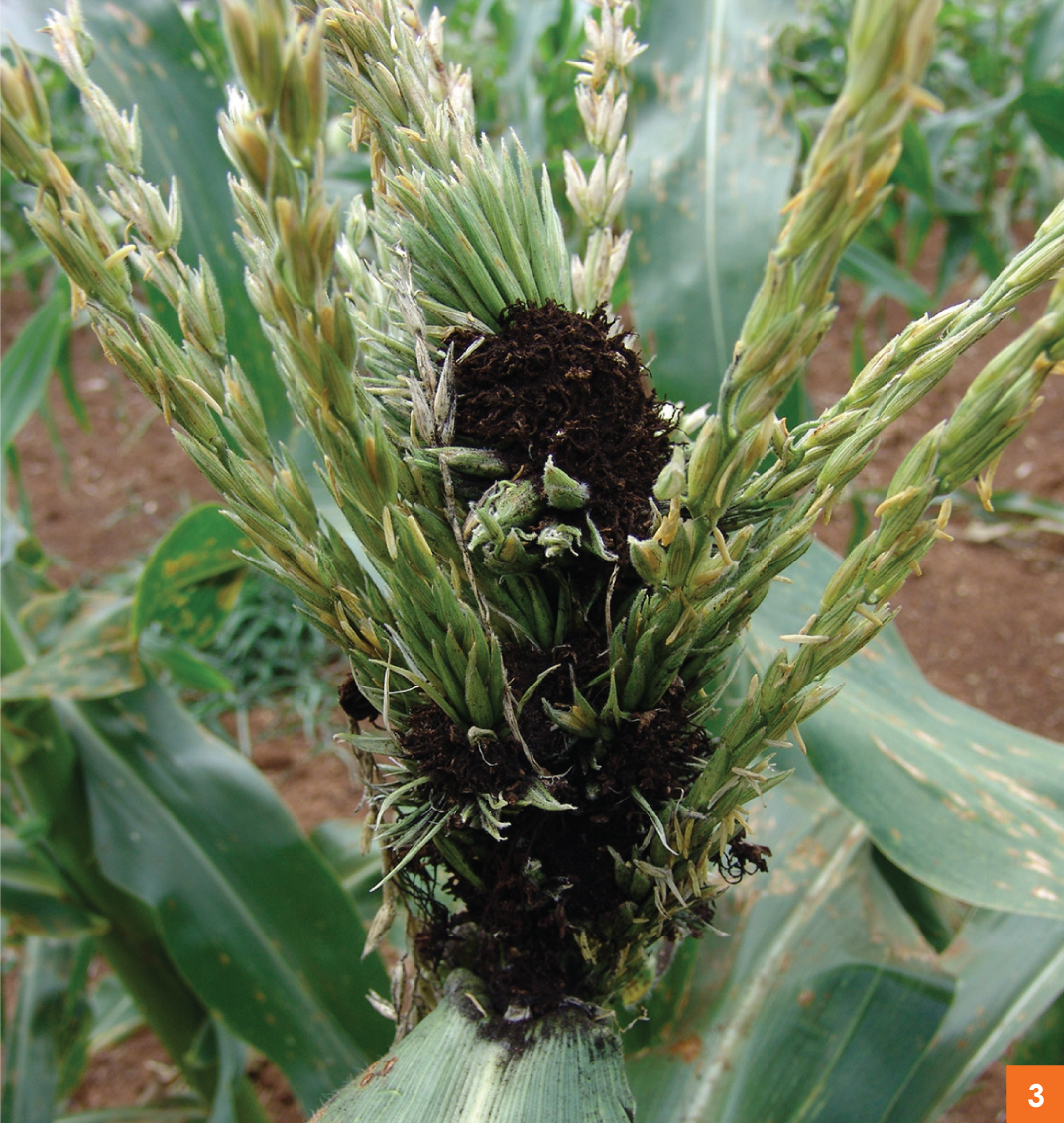
The symptoms are dramatic and unmistakable. Infected maize ears swell and become round, lacking silks and eventually burst open to reveal black, powdery spore masses (Photo 1). Tassels may be partially infected or completely transformed into leafy, distorted structures (Photo 2). After infection of the tassel, the fungus will pass the ear primordium, thereby resulting in ear smut (Photo 3). The whole ear can be replaced by smut that contains millions of black spores (Photo 3) that are ready to spread into the environment and infect new susceptible plants in the following growing season. These symptoms only appear late in the plant’s development, making early detection nearly impossible. Other signs include stunted growth, poor germination, aborted ears, and excessive tillering.
Economic impact
The economic consequences of cob and tassel smut are severe. A 10% infection rate can translate directly into a 10% yield loss. Worse still, grain contaminated with smut spores is downgraded at silos, leading to financial penalties for producers. In epidemic years, yield losses can reach up to 80% in severely affected fields. S. reiliana survives in the soil as teliospores, which can remain viable for years.
These spores infect maize seedlings shortly after germination, growing systemically within the plant until reproductive tissues form. The fungus then erupts in the ears and tassels, releasing spores into the air or cling to harvested seed only to repeat the cycle of infection. Dry, warm soils (21 to 28 °C), low moisture, and acidic conditions (pH ~5,5) favour infection.
Control strategies
Controlling cob and tassel smut in maize requires a multi-pronged approach rooted in both genetic resistance and agronomic practices. One of the most effective strategies is the use of resistant hybrids, which have been developed through extensive breeding programmes in South Africa.
Trials conducted over multiple seasons and locations by the ARC-Grain Crops and Pannar in the past have revealed significant variation in susceptibility among commercial maize varieties, giving producers the ability to select hybrids that are less prone to infection. This genetic resistance forms the cornerstone of integrated disease management systems. Complementing this, fungicide seed treatments have proven highly effective in protecting seedlings during their most vulnerable early growth stages. Products that contain active ingredients like tebuconazole, fludioxonil, and sedaxane, have demonstrated strong efficacy against S. reiliana, especially when matched to specific hybrid responses.
However, chemical control alone is not sufficient. Crop rotation and sanitation play a vital role in reducing soil inoculum levels. Since the fungal spores can survive in the soil for up to seven years, rotating away from maize for several seasons and destroying infected plant material through burning can significantly reduce the risk of future outbreaks. Soil and nutrient management are other critical factors. Nitrogen deficiency has been linked to increased susceptibility to this disease. Thus, maintaining optimal soil fertility through proper fertilisation and liming to adjust pH, can help plants resist infection. Acidic soils (around pH 5,5) and low moisture levels are particularly conducive to smut development, establishing soil health as a key preventive measure.
Finally, adjusting planting dates can help mitigate disease pressure. Delaying planting until soil temperatures rise and rainfall becomes more consistent, promotes vigorous seedling growth and reduces plant stress, both of which lower the likelihood of infection. Together, these strategies form a robust integrated management system that can help producers stay ahead of this cyclical and potentially devastating disease.
 Looking ahead
While cob and tassel smut may not be as widespread as other maize diseases, its potential for severe outbreaks warrants serious concern. The key lies in vigilance: monitoring hybrid susceptibility, maintaining soil health, and using effective seed treatments. With continued research and producer awareness, this old foe can be kept in check to ensure that maize remains a reliable crop for millions of people.
For more information regarding cob and tassel smut, please contact Dr Belinda Janse van Rensburg from the ARC-Grain Crops in Potchefstroom at 018 299 6357.