


operational manager, RMIS
In today’s livestock industry, traceability is no longer a ‘nice to have’ – it’s becoming a necessity. But what exactly is it, and why should producers care?
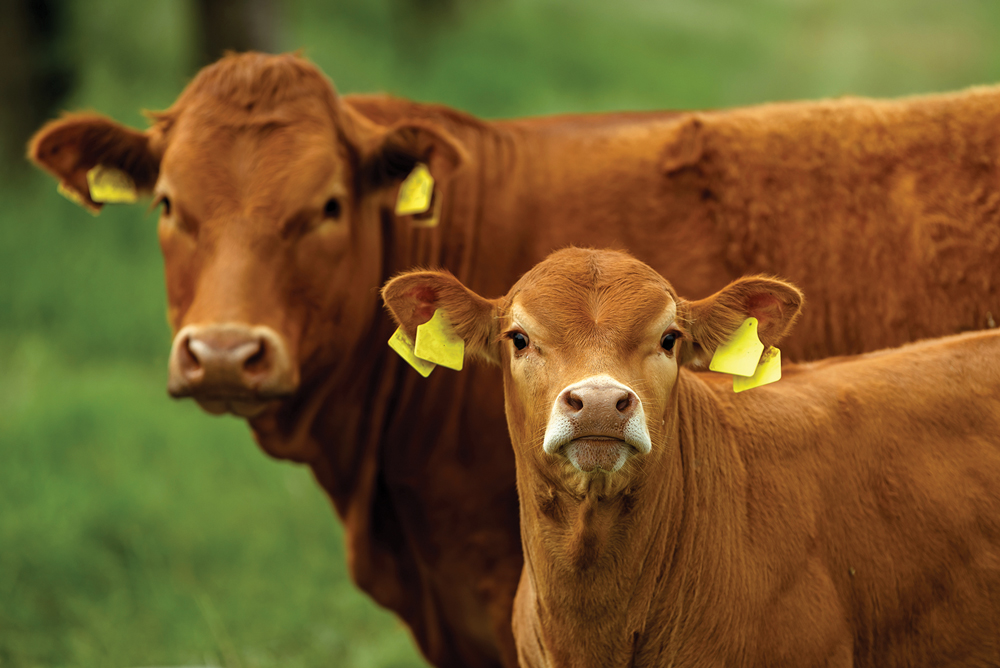
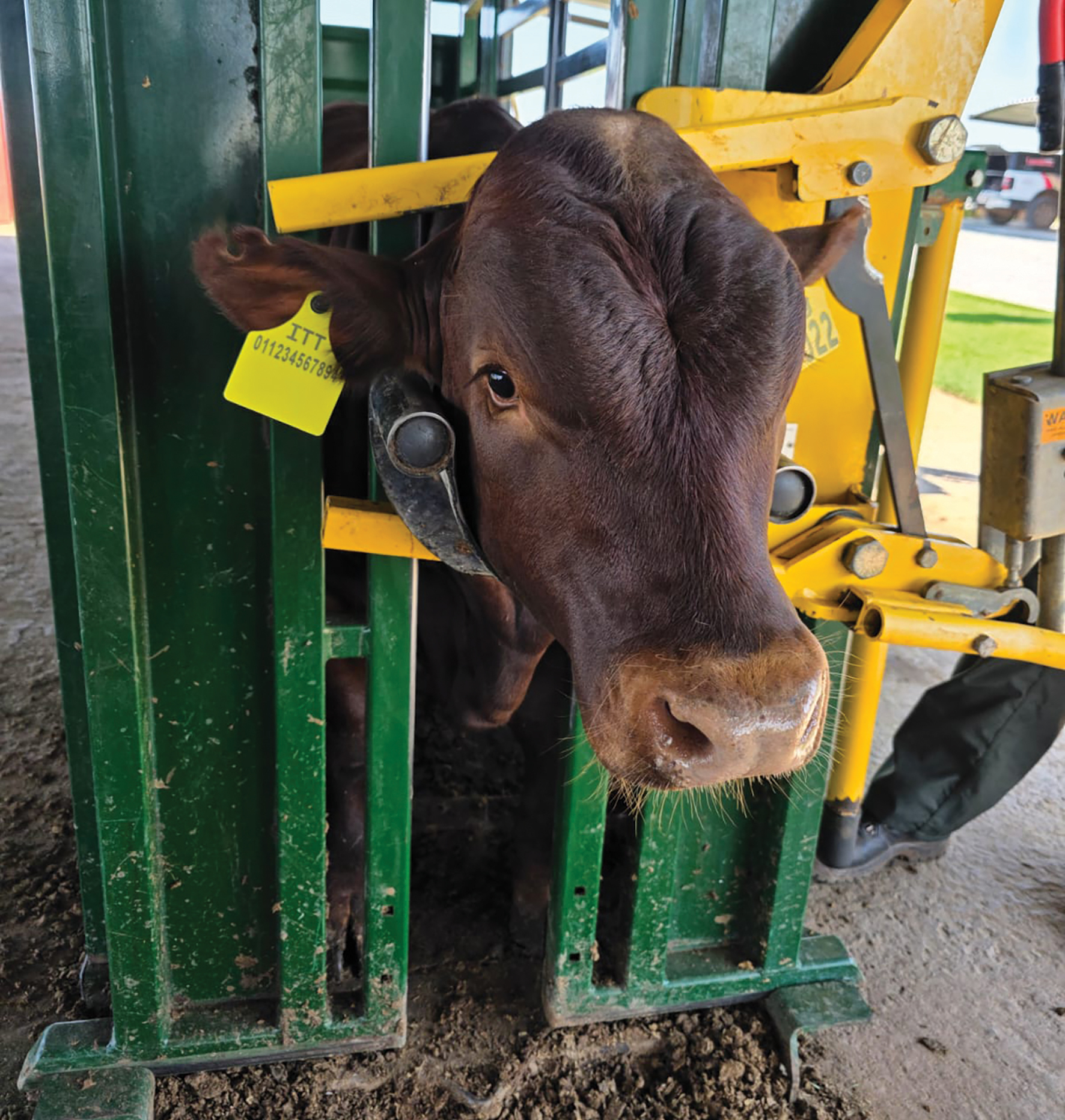
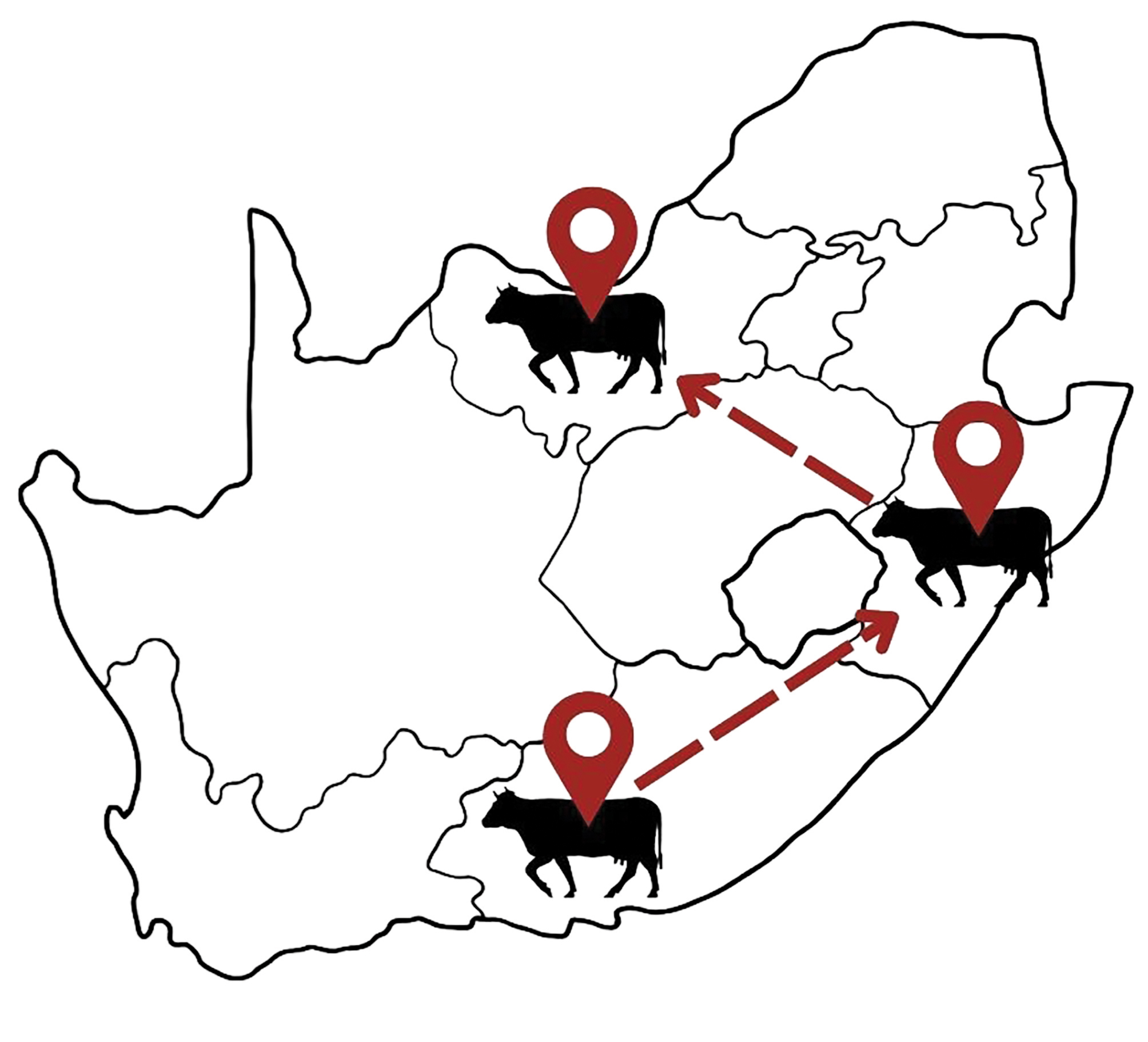
Traceability means being able to track the movement of an animal from one point to another throughout the value chain. For producers, this isn’t just about compliance. It is how we protect our herds, gain access to better markets, and build trust with buyers and consumers.
Why it matters to you
-
- Receive early disease alerts: Get WhatsApp notifications when a disease outbreak occurs near your area so you can take action to protect your livestock.
- Support quicker disease response: If an outbreak occurs, traceability helps identify and contain it faster, saving animals, time, and money.
- Protect market access: Many formal and export markets require traceability to meet health and food safety standards. Without it, we risk losing valuable buyers.
- Give buyers confidence: When you share your registered global location number (GLN), buyers can verify the location the animal came from, building trust and reducing the risk of misinformation.
- Access is free and simple: The RMIS traceability platform is free to use and designed to be producer friendly.
How it works
Phase 1 involves identifying your location and receiving a unique GLN. This number is linked to the geo-fence coordinates of your farm and not to a business or individual. To register, the only information you need to provide is the following: name, cell phone number, email address, type of farming enterprise, and geo-location, which will be pre-loaded from the Surveyor General’s data.
Phase 2, launched in November 2025, allows existing digital livestock management systems to integrate with the platform. This means producers can keep using the systems they already use, with the added ability to link their GLN to animal movement records. Only animal movement information is shared across the platform. When animals are sold or transported from your farm to another producer, a feedlot, or an abattoir, that movement is recorded and passed between the digital systems involved. A list of these supported systems will be released on our website: https://rmis.co.za/services/traceability/.
Ignoring traceability puts your herd – and your market access – at risk. A disease outbreak like foot and mouth disease (FMD) becomes much harder to contain without animal movement data. Export markets lose confidence. And consumers move toward more transparent suppliers.
Traceability myth busting
Let’s clear up some common misconceptions:
- ‘The government will have access to my personal info.’ No. This is an industry-led platform, your personal data stay with you.
- ‘RMIS makes money from traceability.’ False. The platform is funded through statutory funding and is therefore completely free for producers to register. As for tags, producers can choose their own tag supplier. RMIS does not sell tags.
- ‘I need title deeds to register.’ Not at all. All you need is your contact details. The platform pre-loads farm portions as registered by the Surveyor General.
- ‘I rent land, so I can’t register.’ You can. The platform tracks the location, not who owns the land.
How to register (it only takes a few minutes)
- Visit: https://rmis.co.za/rmis-traceability-platform
- Enter your cell number and confirm using the one-time pin (OTP)
- Select your farming portions on the interactive map
- Receive your unique GLN
- Use that number when animals are moved from your location through an integrated digital record-keeping system from November 2025 onwards.
Traceability protects your animals, your livelihood, and the red meat industry we all depend on. Be part of the solution and register now.