



Cathrine Mathekga, agricultural economist intern, Grain SA
The 2024/2025 summer grain season reminded us just how unpredictable farming can be. On a positive note, maize, soybeans, and sunflowers all bounced back from the previous production season, with improved yields, supported by good rains and slightly larger areas planted. Yet the season was not without its challenges, from dry spells in some regions to late rains in others, highlighting the constant need for careful planning and crop management.
Seed selection has become one of the most critical decisions. The right cultivar sets the foundation for yield potential, maturity timing, and adaptability to local conditions. In the current environment, choosing seed wisely is no longer optional, it’s an important strategy for reducing risk and ensuring long-term success. Resources such as the ARC’s national cultivar trials and the Department of Agriculture’s official list of approved varieties under the Plant Improvement Act 53 of 1976 provide producers with trusted data to guide decision-making.
With continuous advancements in plant breeding, crop protection, and yield performance, adopting improved cultivars helps producers to remain competitive and productive. This article provides an overview of the new maize, soybean, sunflower, and sorghum cultivars available for the coming season, helping producers make informed choices.
Importance of new cultivars
New cultivars are essential for helping producers adapt to increasingly unpredictable climate conditions. Early- and medium-maturity hybrids provide planting and harvesting flexibility, while drought-tolerant lines improve crop survival during dry periods. Each generation of cultivars also brings higher productivity and more efficient use of nutrients and water, supporting both profitability and sustainability.
Improved varieties enhance crop rotations, such as soybeans contributing to soil fertility, and provide more consistent performance under stress. Every new release reflects years of research, testing, and seed multiplication, representing a long-term investment that strengthens the agricultural sector.
Maize
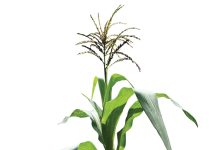
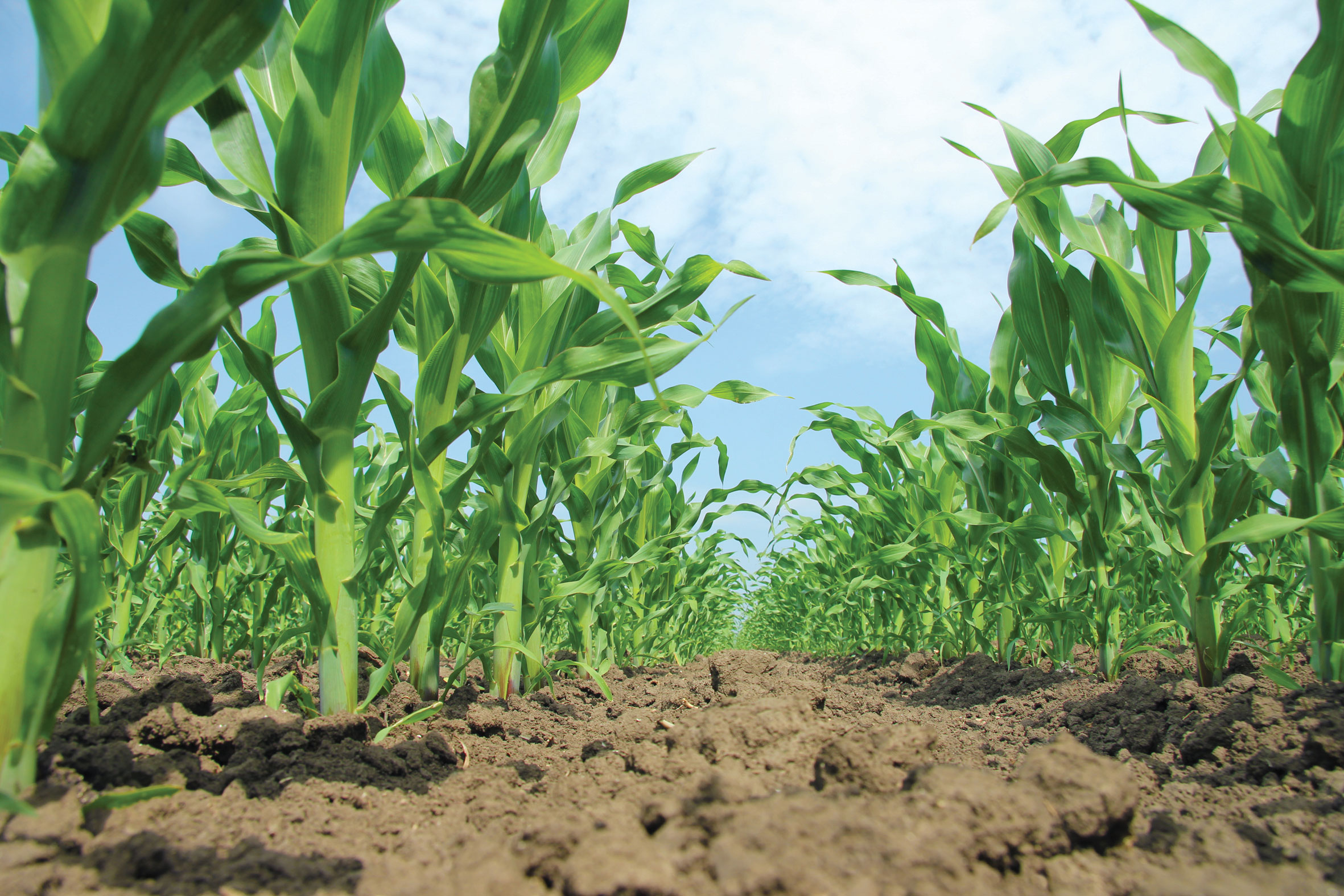
Maize continues to be an important staple crop in the country. Breeders have placed much of their energy into developing hybrids that can perform under both dryland and irrigated conditions. Early maturing hybrids are increasingly valuable, as they allow producers to plant within short rainfall windows and still harvest before the onset of late-season stress.
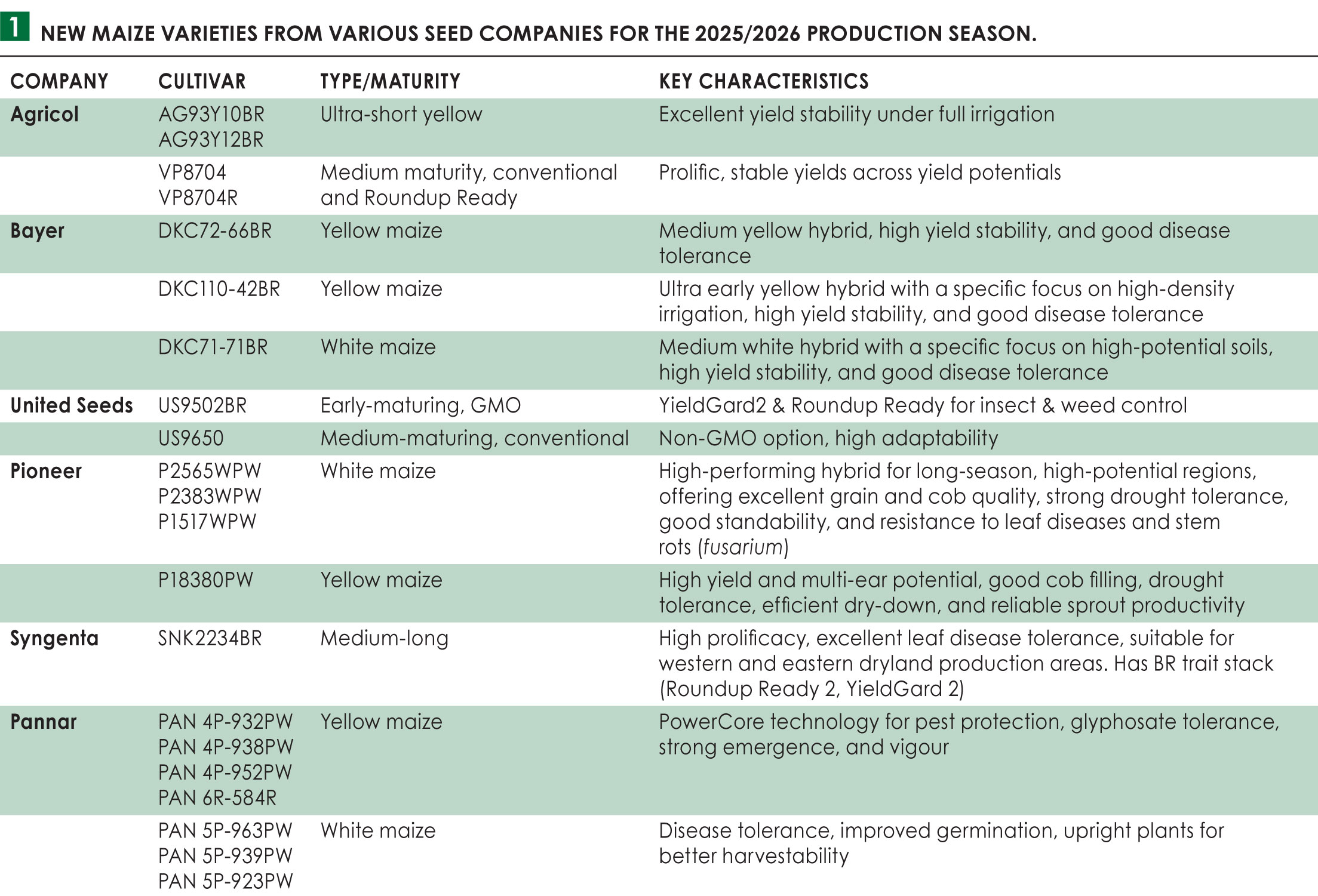
Medium- and full-maturity hybrids continue to provide stable performance where conditions allow. Another area of progress is stacked-trait hybrids, which combine herbicide tolerance with other agronomic benefits. This supports more efficient crop management and helps reduce pressure from weeds and pests. Table 1 provides a list of expected maize cultivars and their brief characteristics for the 2025/2026 season.
Soybeans
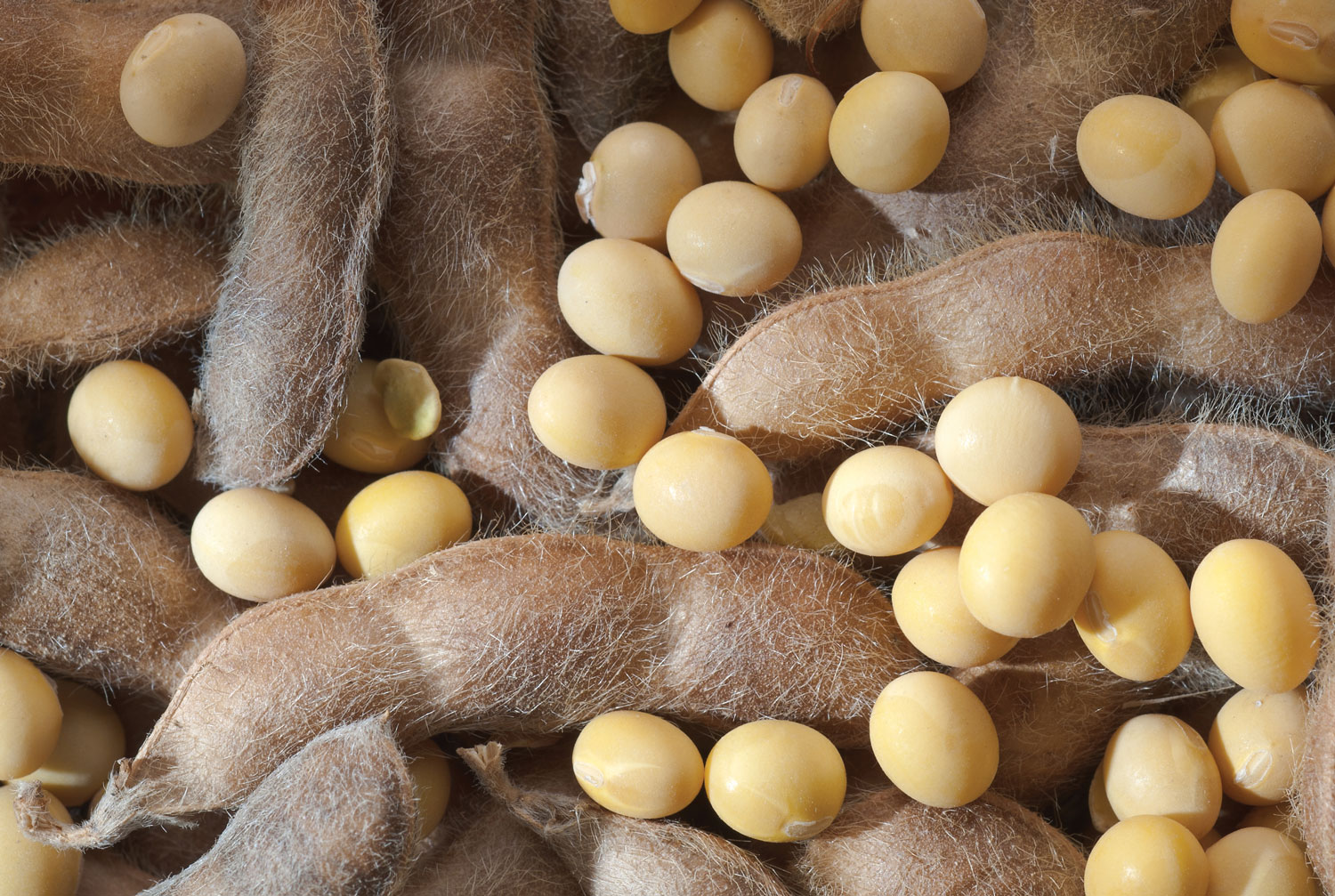
Soybeans are gaining ground both as a profitable crop and as a key part of crop rotations. New varieties such as Intacta RR2 Pro bring adaptability and consistency across regions, offering flexibility for early or medium planting schedules. These advances allow producers to manage planting dates more confidently and still achieve stable yields.
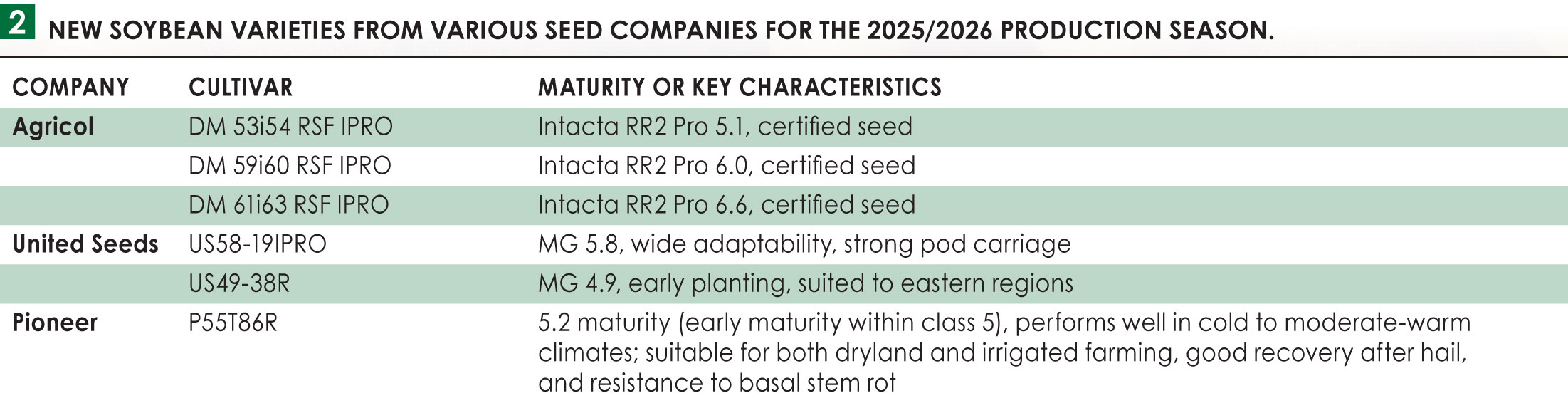
Farm-saved soybean seed can seem cost-effective, but it often leads to weaker germination, uneven plant stands, and lower yields. Certified seed ensures producers benefit from the latest genetic improvements, including enhanced yield potential, stress tolerance, and adaptability. Table 2 provides a list of expected soybean cultivars and brief characteristics for the 2025/2026 season. It should be noted that the Agricol varieties are the same; however, they will have new varieties with improved genetics soon.
Sunflower
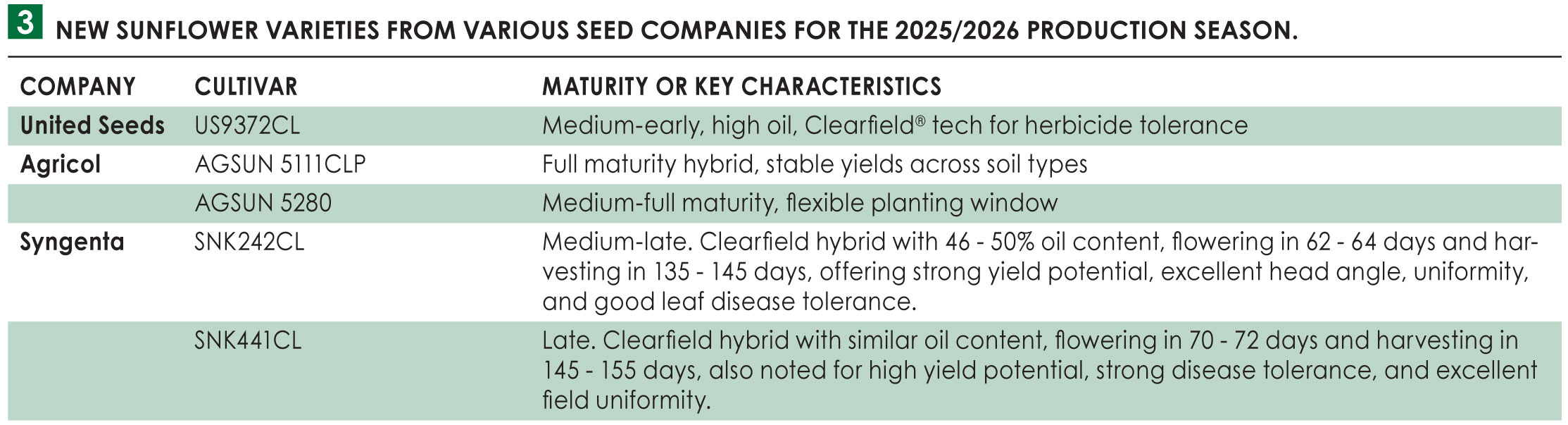
Sunflower remains an important option for many producers, particularly in rotations. The breeding focuses this season are on improving oil content, standability, and flexibility in planting dates. Producers can choose between medium-full and full-maturity hybrids to suit their conditions. Technologies such as Clearfield offer practical solutions for weed control, showing how cultivar innovation supports better management and profitability. Table 3 provides a list of expected sunflower cultivars and their brief characteristics for the 2025/2026 season.

Sorghum
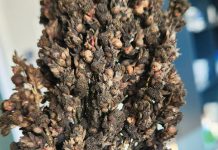
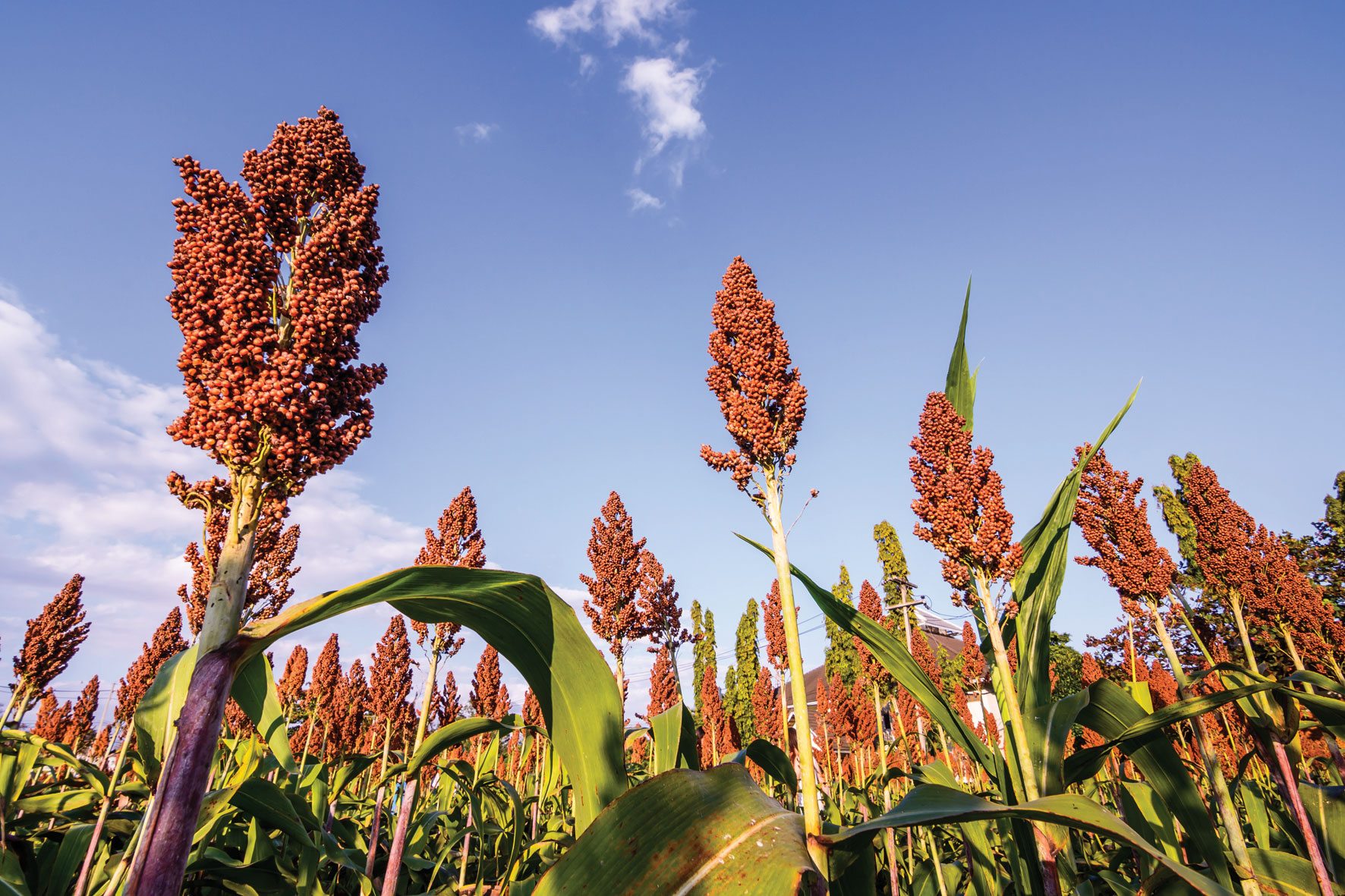
Sorghum has long been recognised as one of the most drought-tolerant crops in South Africa and is gaining importance in many parts of the country. Breeders are continuously improving hybrids to make them more productive and easier to manage. Traits such as large seeds, closed panicles, and good threshability demonstrate how small improvements in breeding can lead to significant gains in field performance. Table 4 provides a list of expected sorghum cultivars and brief characteristics for the 2025/2026 season.

Conclusion
Developing new cultivars is a long-term investment in the success of producers and the broader agricultural sector. Each season’s releases represent years of research, field trials, and careful selection to meet the challenges within the sector. Selecting cultivars can be a complex decision, given the wide range of hybrids and varieties available. For this reason, it is always advisable for producers to consult with agronomists or representatives from seed companies to ensure their choices align with local conditions, planting windows, and the overarching goals of their farming operations.
For more information on the new cultivars above, please contact the following role players:
- Pannar: Christin Hunter (christin.hunter@pannar.co.za)
- Bayer: Wikus Boshoff (wikus.boshoff@bayer.com)
- Agricol: Joubert Swanepoel (JSwanepoel@agricol.co.za)
- Pioneer: Tharien Hendrikse (tharien.hendrikse@pioneer.com)
- United Seeds: Cobus Meintjes (082 448 4313)
- Syngenta: Jacques van Zyl (jacques.van_zyl@syngenta.com)