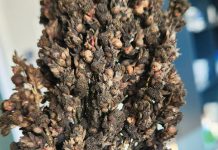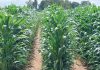


Sorghum is a highly nutritious and climate-resilient crop, yet South Africa’s sorghum production has decreased dramatically over the last 30 years. An all-time low was reached in the 2017/2018 production season. Limited pre-breeding and breeding have led to the poor growth of sorghum yield potential.
Due to the lack of local sorghum genetic improvement, commercial sorghum producers have been planting the same cultivars for more than 20 years. Only one company, Sorgho (Pty) Ltd, is actively breeding and maintaining elite lines and sorghum hybrids in South Africa. Therefore, the country urgently needs dedicated sorghum breeding to revive the sorghum production and commercialisation in the country.
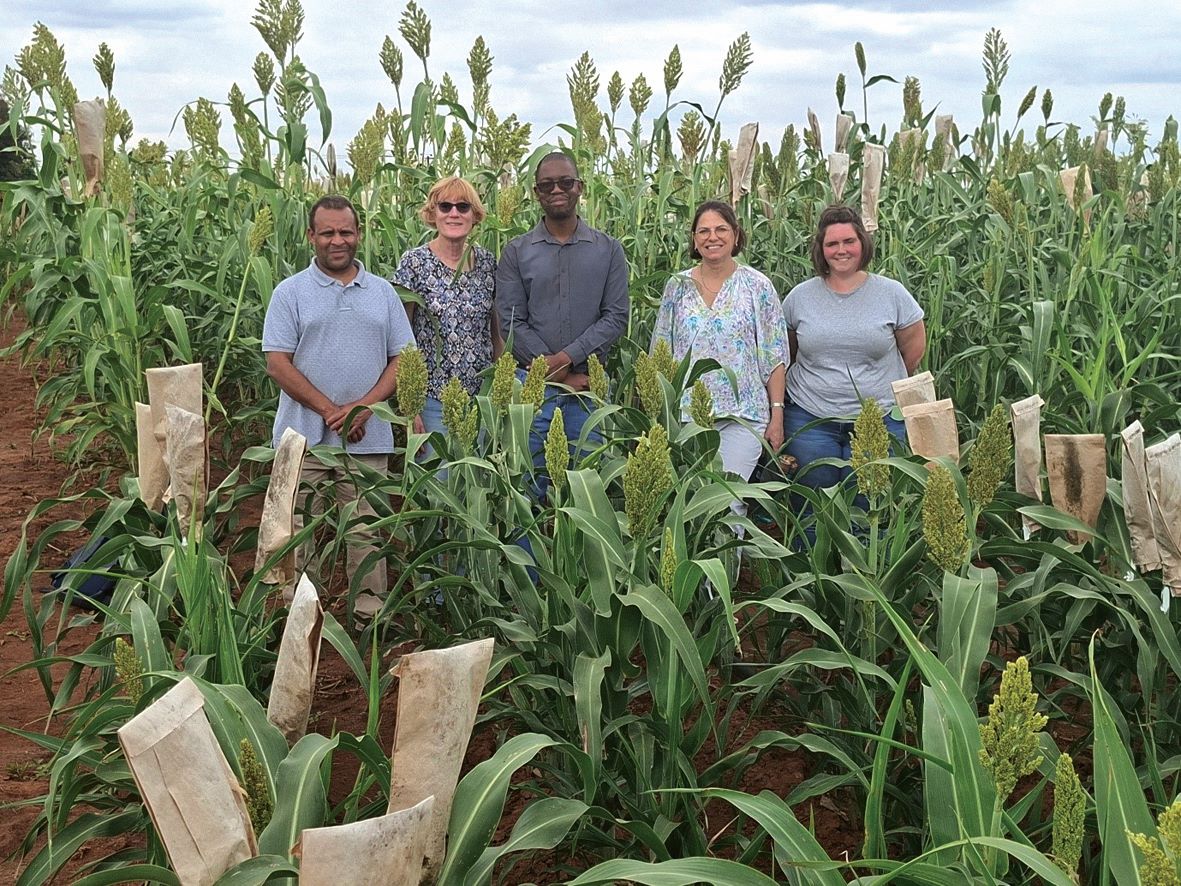
The Department of Science and Innovation, through the Sorghum Trust, initiated a project to revive sorghum pre-breeding and breeding in South Africa in 2023, with three partners, the University of the Free State (UFS), the University of KwaZulu-Natal (UKZN), and Sorgho. Apart from the common goal of yield improvement, the UFS focuses on nutritional value and disease resistance, the UKZN on abiotic stress tolerance, and Sorgho on line development. There is significant genetic diversity in sorghum genotypes that have been collected in South Africa, Africa and other parts of the world, which can be harnessed for pre-breeding and breeding. The project started with the evaluation of an international sorghum collection of 169 genotypes, obtained from the UKZN. The best 20 genotypes were selected and planted in 2024/2025 in multi-location trials with local hybrids for evaluation of yield potential and disease resistance. Their nutritional value is also being evaluated (minerals, protein quantity and composition, tannins, phytic acid, and starch composition) and Sorgho is developing lines from the best selections of these materials.
In 2024 the International Crops Research Institute for the Semi-Arid Tropics (ICRISAT) germplasm bank in Bulawayo, Zimbabwe, made their sorghum mini-core collection of 234 sorghum accessions available to the team. These are currently being evaluated along with a collection of mutated sorghum genotypes obtained by UKZN from Namibia. The introduction of new genetic resources into South Africa is broadening the genetic base for the development of new lines that can be used for the breeding of hybrids suited to South African production conditions. It is also creating a database for the selection of specific traits to improve locally produced sorghum material.
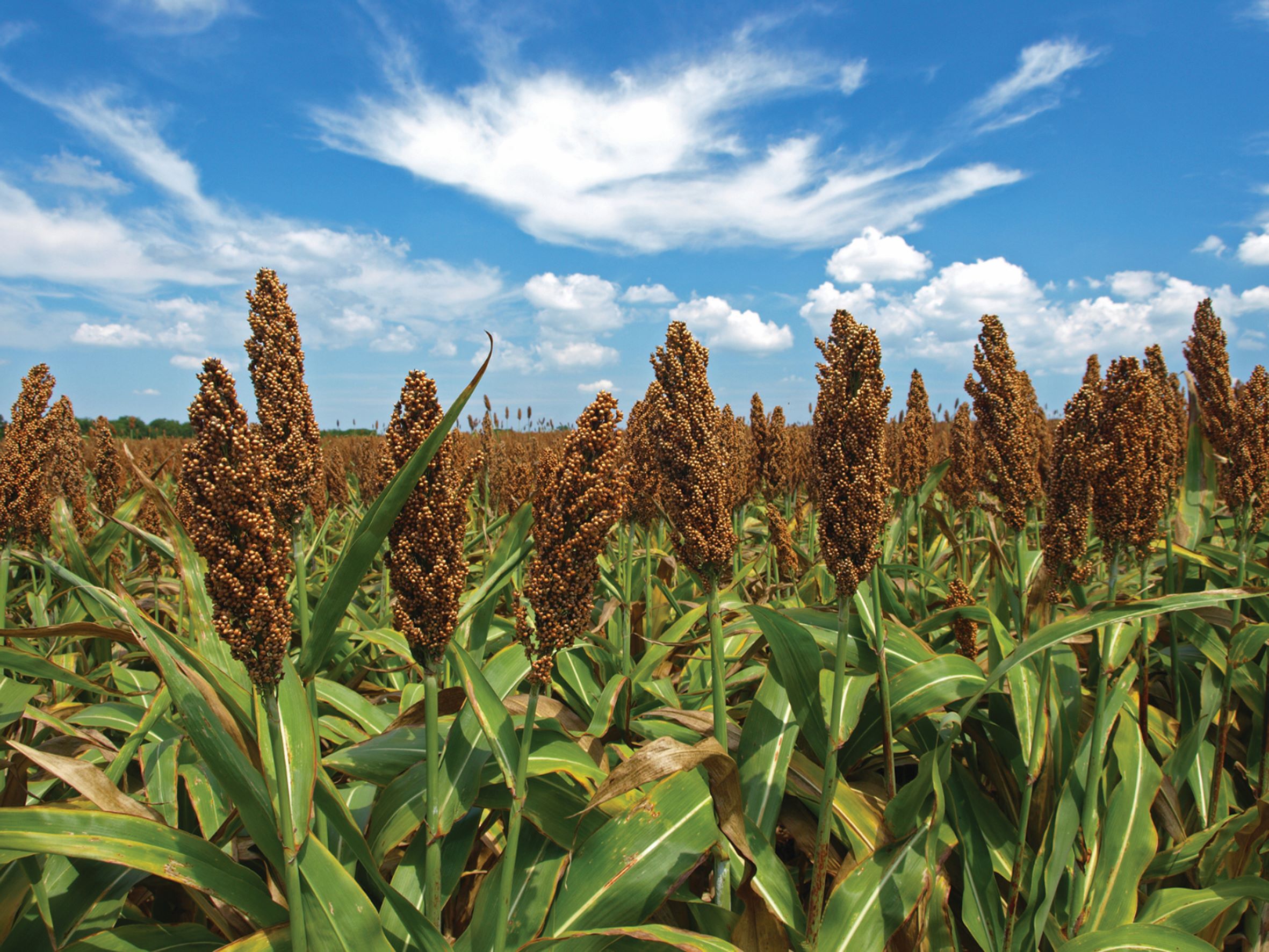
Apart from the pre-breeding activities, the Department of Sustainable Food Systems and Development at UFS has been developing a book of delicious sorghum recipes showing the extensive uses of sorghum and how it can contribute to a healthy and diversified diet. One of the important focus areas of this project is the training of future sorghum breeders. Between the UFS and UKZN four PhD students, two MSc students and three post-doctoral fellows are working on the project.
The end goal of the project is to contribute to the release of new high-yielding sorghum hybrids, with good nutritional value, drought and heat tolerance, as well as disease resistance. These hybrids could replace the old hybrids still used by producers, and lead to higher yields, which could motivate them to grow sorghum again.