


Herbicide resistance is becoming a critical challenge for producers. It is the inherited ability of weed populations to survive and reproduce following exposure to herbicide doses that would normally kill the weeds. Resistance primarily develops through repeated use of herbicides with similar modes of action, selecting for resistant weed biotypes. Cross-resistance refers to herbicides with the same mode of action, while multiple resistance refers to resistance against herbicides with different modes of action.
In the winter rainfall regions, ryegrass (Lolium spp.) serves as a prominent herbicide resistance example, although it is not the only problematic weed. Ryegrass’s high genetic variability due to cross-pollination, prolific seed production, persistent seed banks, and delayed germination significantly contribute to its resistance potential. These biological characteristics enable ryegrass to rapidly adapt and survive herbicide treatments.
Conservation agriculture
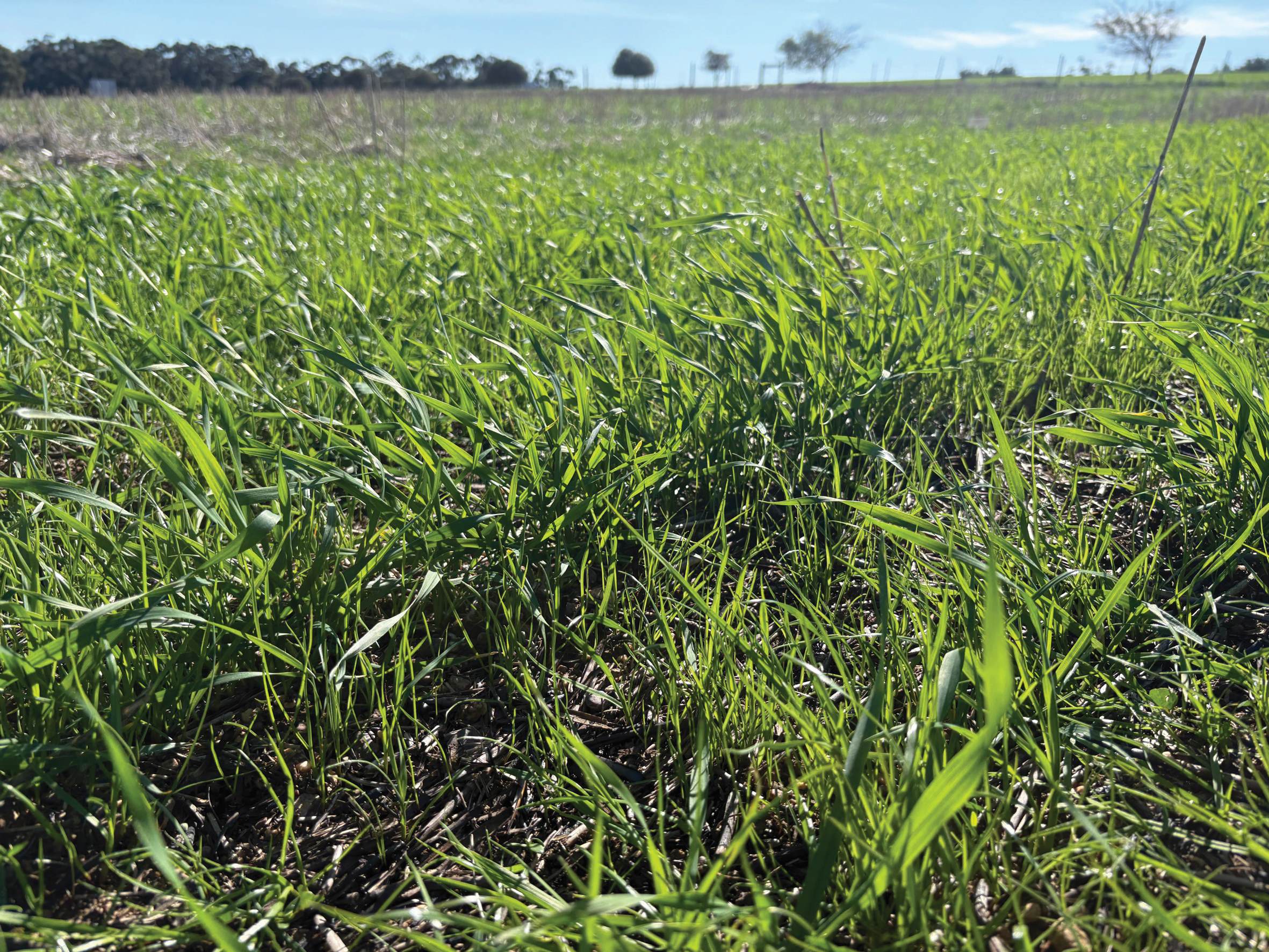
The transition to conservation agriculture (CA), characterised by minimal soil disturbance, crop rotation, and permanent soil cover, inadvertently increased producers’ reliance on herbicides for weed management. Although CA has significantly improved soil health and productivity, mechanical weed-control methods like tillage is no longer used, shifting weed control to depend almost entirely on herbicides. This heightened herbicide reliance increases the risk of herbicide resistance development.
Winter rainfall cropping systems often create ideal conditions for weed infestations, particularly ryegrass. Practices such as high fertiliser application rates and minimal soil disturbance enhance ryegrass growth and reproduction. Without mechanical disturbance, ryegrass seeds remain undisturbed on the soil surface, and elevated nutrient levels promote vigorous weed growth. Despite these challenges, returning to annual mechanical disturbance is not the recommendation as it would eliminate the benefits achieved through CA.
Herbicides
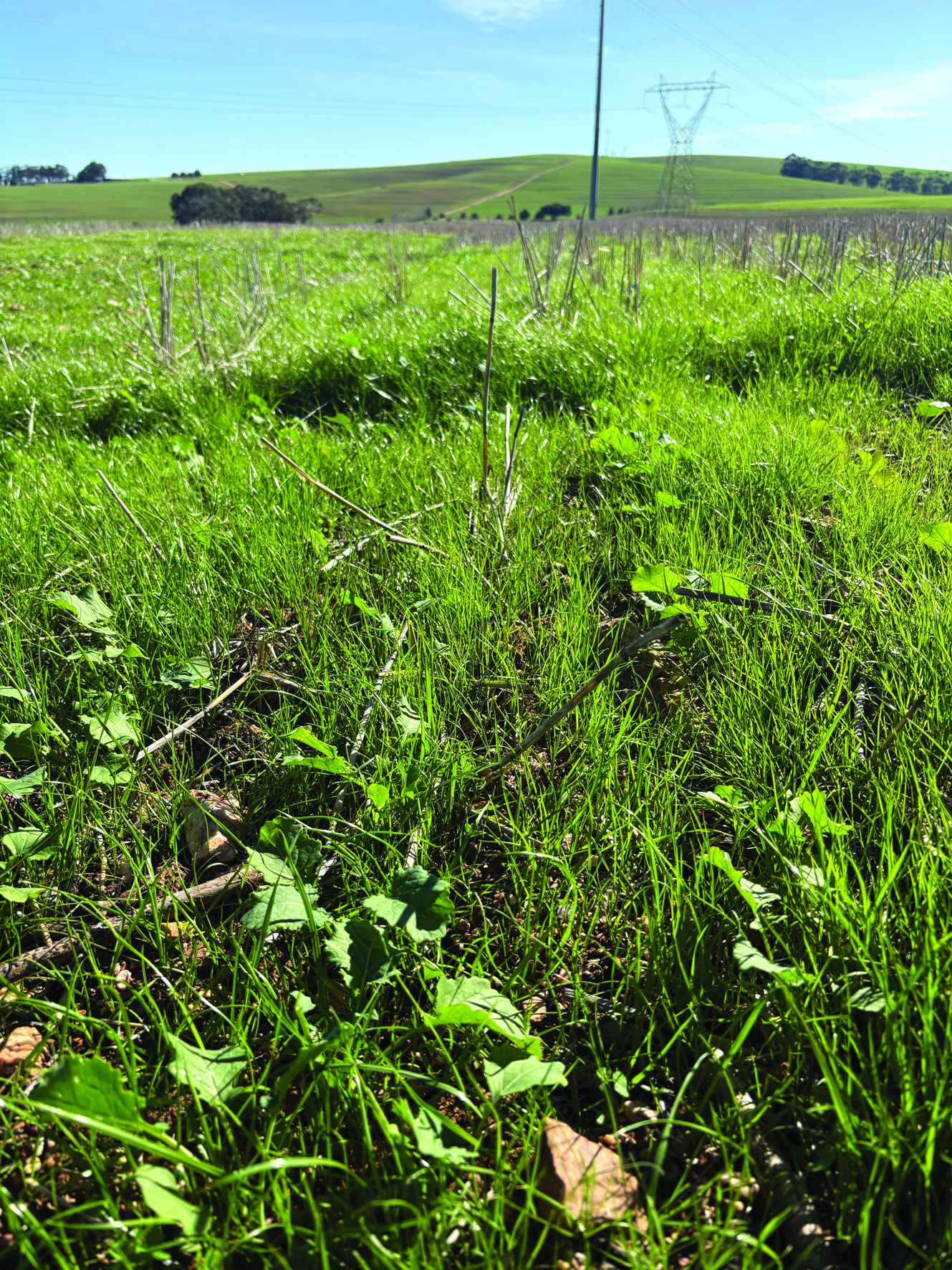
Although herbicides remain the most effective single weed control method, relying solely on chemical control is unsustainable. Developing new herbicides with new modes of action is slow, costly, and uncertain. Irresponsible use of current herbicides inevitably leads to severe resistance issues, significantly limiting future control options. Rotation of different mode-of-action herbicides, adhering to recommended application practices and simultaneously implementing integrated weed management strategies to reduce weed densities and enhance crop competition are of great importance to ensure long-term sustainability. Importantly, herbicide rotation practices must also extend to fence lines to prevent these fence lines from becoming sources of herbicide-resistant weeds. It is important to emphasise that herbicides remain a vital and highly effective tool for weed management when used judiciously.
Regular testing for herbicide resistance is crucial for producers. Testing identifies effective herbicides, enabling informed decisions, and preventing financial losses from ineffective applications. Testing confirms whether reduced herbicide performance results from genuine resistance or basic application errors. Even highly effective herbicides rarely achieve complete weed eradication, especially at high weed densities. A herbicide providing 99% control is very effective, but if the weed density is high, the resulting 1% of weeds are still able to return a significant number of seeds to the seed bank.
It is important to get the basics of herbicide application right. These include correct timing (when weeds are small and actively growing), strictly adhering to recommended label rates, using adequate water volumes for proper coverage, using adjuvants and water softeners, and avoiding unlabelled herbicide mixtures. These mixtures can reduce efficacy through antagonism, meaning neither herbicide works at its full potential. Maintaining clean and well-functioning spray equipment is also vital to prevent ineffective applications and the unintended spread of weed seeds. Ineffective herbicide applications can lead to creeping resistance, where sublethal doses, often due to sprayer issues such as blocked nozzles, gradually build resistance within weed populations. This may require increased application rates in subsequent seasons to control weeds that survive sublethal doses.
Integrated weed management
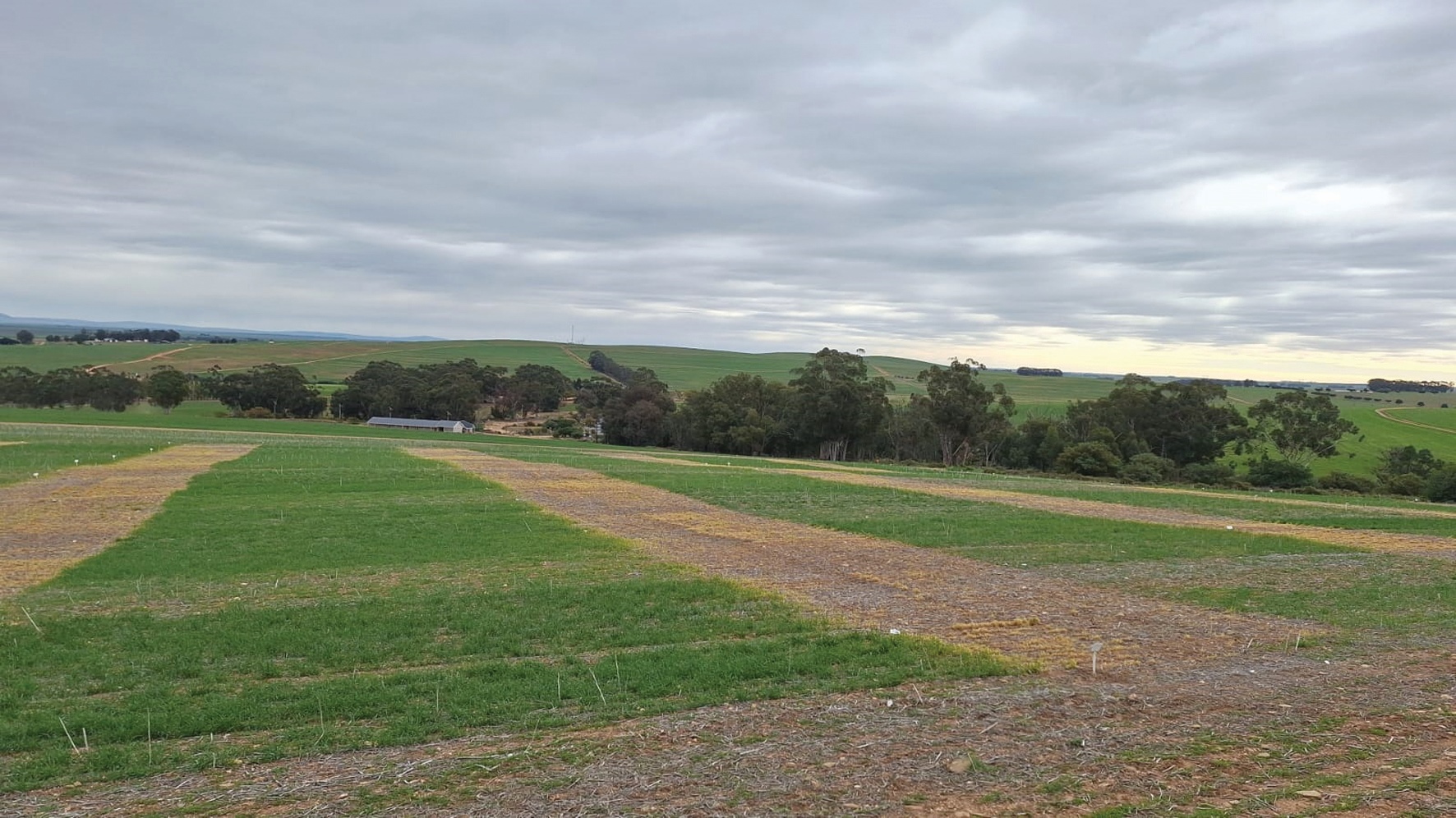
Integrated weed management (IWM) represents a necessary paradigm shift, recognising that no single alternative method matches the efficacy of an effective herbicide. However, integrating multiple strategies significantly reduces weed densities, enabling herbicides to perform optimally. Stellenbosch University is actively researching alternative strategies, including cultivar choice, planting densities, row spacing, cover crops, and harvest weed seed control (HWSC).
HWSC, popular in Australia under similar environmental conditions, is under local investigation to provide region-specific recommendations. Some of these techniques include tramlining and narrow windrow burning.
Economically, herbicide resistance significantly impacts producers by increasing weed management costs, reducing yields, and necessitating additional herbicide applications. Managing resistance is not just a short-term cost but a long-term investment. Sustainable weed management strategies maintain soil health, productivity, and overall farm profitability. Investing in strategies like IWM and HWSC offers long-term economic benefits, reducing costs associated with resistance-related yield losses and herbicide inefficiencies.
Ultimately, reducing weed densities by limiting weed seed returning to the seedbank and improving crop competitiveness, combined with judicious herbicide use, ensure longer herbicide effectiveness. Producers adopting these integrated strategies safeguard crop yields, enhance herbicide sustainability, and ensure long-term agricultural productivity.