



Dr Sonia Steenkamp, ARC-Grain Crops,
Potchefstroom
Groundnuts (Arachis hypogaea), a staple crop in South Africa, are prized for its nutritional value and economic importance. However, beneath the soil surface lies a hidden threat that not only affects crop yield but also food safety: the interaction between root-knot nematodes (Meloidogyne spp.) and Aspergillus flavus, a fungus notorious for producing aflatoxins. These two pathogenic organisms, though biologically distinct, often work in tandem to compromise groundnut health and quality.
Meet the culprits: root-knot nematodes and Aspergillus flavus
Root-knot nematodes
There are three major root-knot nematode species that parasitise groundnuts globally, and each of them is capable of severe suppression of yield and yield quality. Locally, it is mainly M. javanica that is the biggest culprit, followed by M. incognita. South African root-knot nematodes thrive in warm temperatures and can complete their life cycle in just 21 days at 26 °C. This ensures the production of several generations within a single growing season.
Aflatoxin-producing Aspergillus flavus
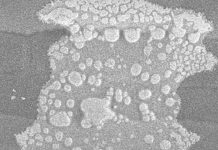
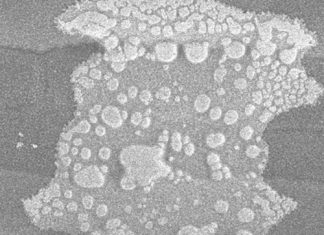
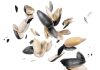
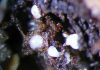
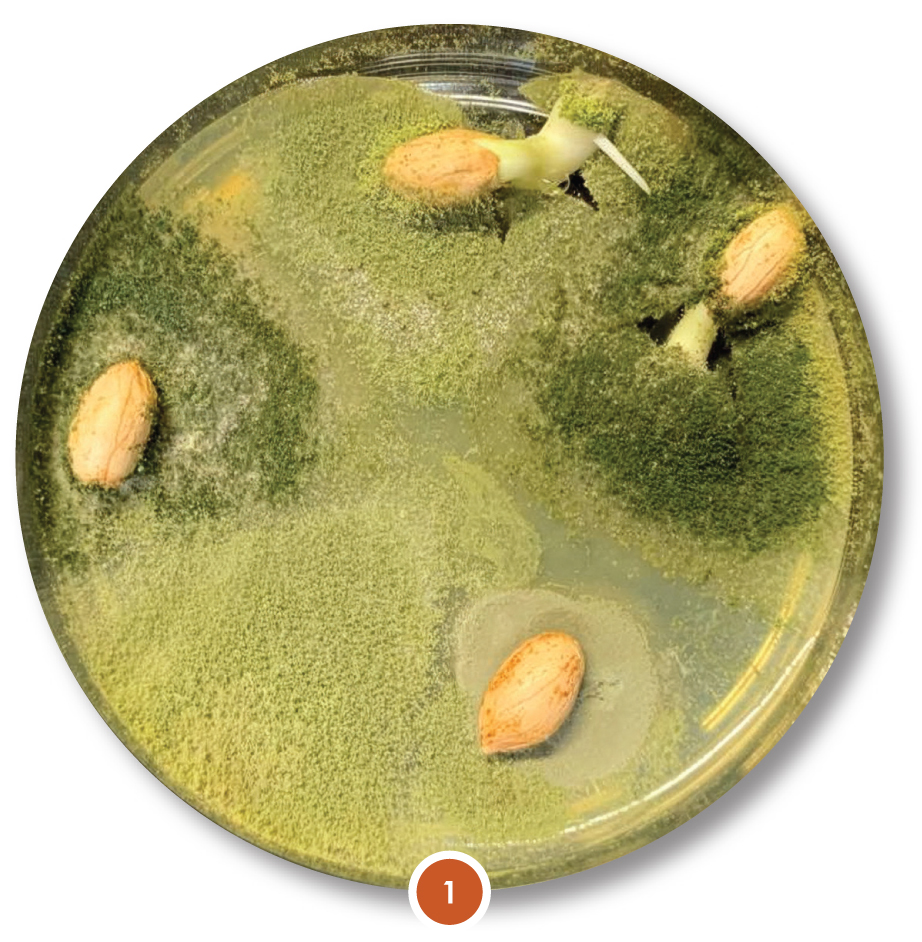
Aspergillus flavus is a soil-borne fungus that thrives in warm, dry conditions. The fungi infect groundnut seed (Photo 1) through the minute cracks on the seed coat and pod walls due to mechanical and biological injuries and abiotic stresses caused by heat or drought. It can produce aflatoxins – potent carcinogens linked to liver cancer, immune suppression, and stunted growth in children.
A dangerous partnership
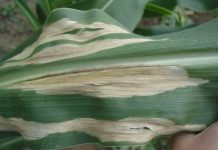
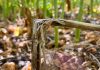
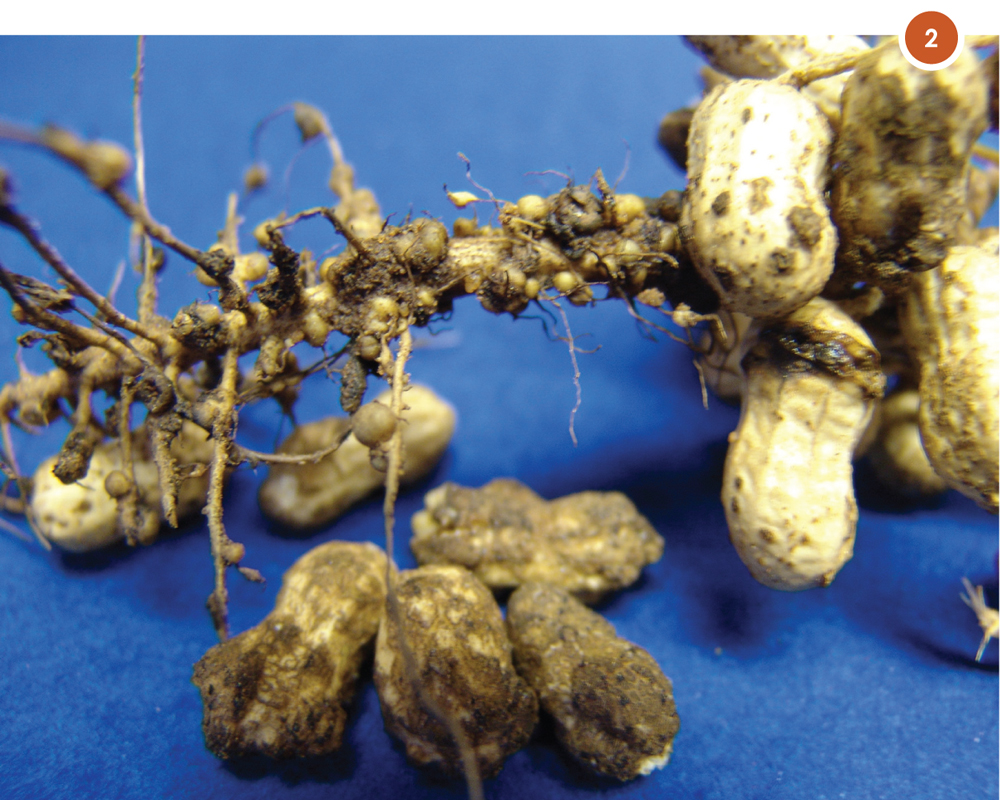
Root-knot nematodes have four life stages. The first stage (J1) moults in the egg to produce the second stage juvenile (J2). This one is the infective juvenile, which enters and damages groundnut roots. Upon entering the root, it causes only slight mechanical injury except if there are large numbers of these juveniles. As the juvenile starts to feed on the vascular cells of the root, giant cells develop around its head. Increase in the cell size result in the disorganisation of the vascular tissue and the formation of galled tissue (Photo 2).
Elongation of the galled roots are slowed and result in a stunted root system and the inhibition of the xylem and phloem tissues. Consequently, infected roots have impaired nutrient and water uptake. This becomes especially troublesome under hot and dry conditions where drought stress is exacerbated, which in turn is a known trigger for aflatoxin biosynthesis by A. flavus.
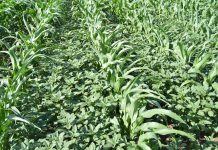
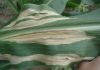
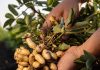
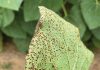
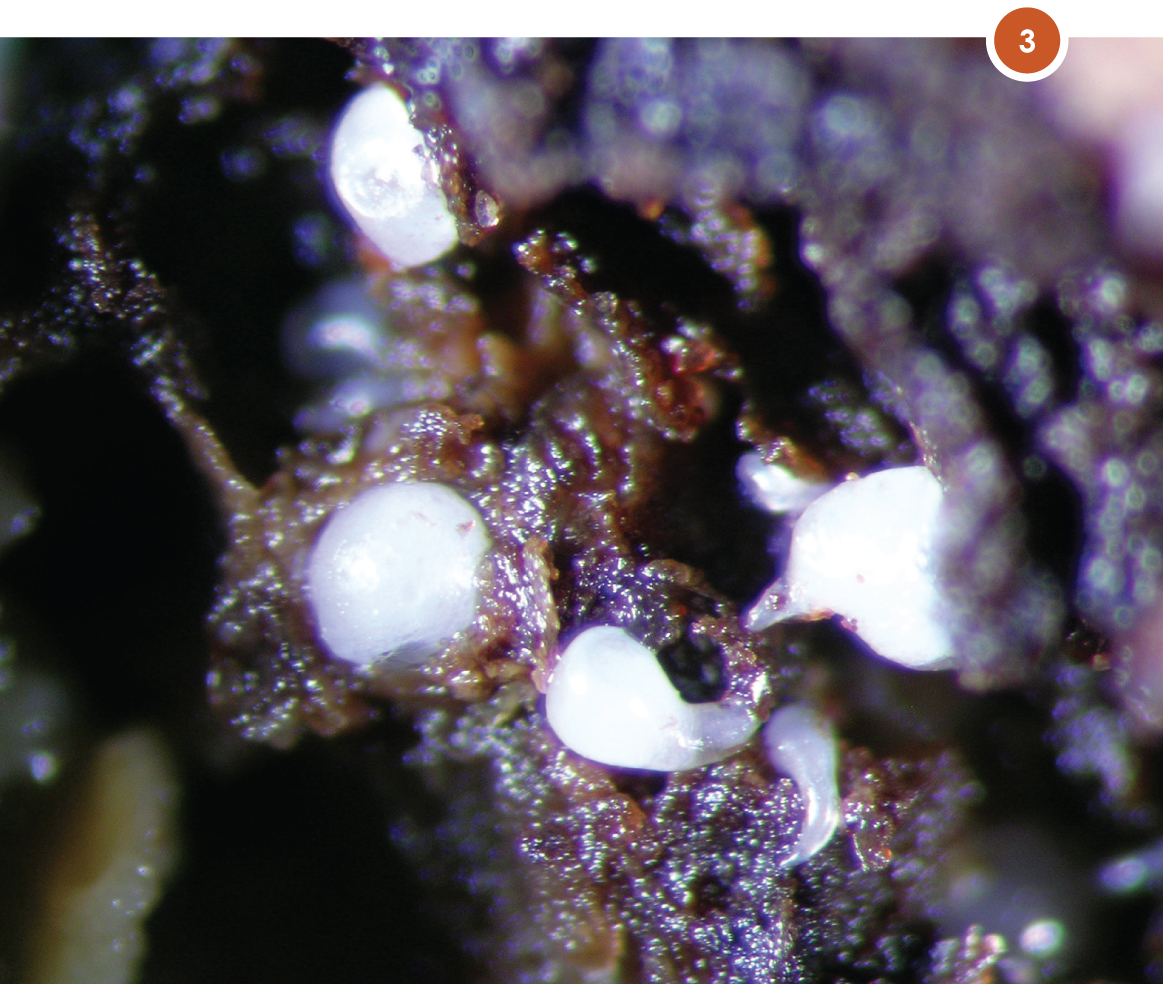
Meloidogyne spp. (root-knot nematodes) significantly increase the risk of A. flavus infection and aflatoxin contamination in groundnuts through a combination of physical damage (Photo 3) and physiological stress. Nematode feeding causes root galls and lesions, which serve as entry points for A. flavus spores and weaken the plant’s natural defence mechanisms. In addition, nematode infestation disrupts water and nutrient uptake, inducing drought-like stress that favours fungal colonisation and aflatoxin biosynthesis. This stress leads to the accumulation of free sugars and amino acids in roots and pods, creating an ideal substrate for fungal growth.
Furthermore, nematode activity alters the rhizosphere microbiome, reducing beneficial antagonists and promoting A. flavus proliferation. Once the fungus infects pods, the senescence and low water activity conditions caused by nematode damage further enhance aflatoxin production. Consequently, groundnuts infested with Meloidogyne spp. exhibit significantly higher levels of A. flavus and aflatoxins compared to healthy plants, especially under drought conditions.
The role of environmental conditions in aflatoxin contamination
The severity of aflatoxin contamination is not solely dependent on the presence of nematodes or fungi. Environmental factors such as soil temperature, moisture levels, and timing of drought stress are critical. In South Africa, where seasonal droughts and high temperatures are common, these conditions can align perfectly to create a ‘perfect storm’ for aflatoxin production. Studies have shown that aflatoxin levels can become significantly higher in nematode-infected groundnuts during years with prolonged drought and elevated soil temperatures.
Management strategies: fighting a two-front battle
Managing this dual threat requires an integrated approach. Root-knot nematodes are difficult to control because of their relatively short life cycle and wide host range, enabling them to reproduce and survive on all crops used in rotation with groundnuts. Cultivars with tolerance to Meloidogyne spp. may lower aflatoxin levels but additional measures such as chemical and weed control can aid in reducing the nematode numbers. Cultural practices such as crop rotation, deep ploughing, and weed control help to reduce fungal inoculum in the soil.
Biological control is emerging as a promising tool. Endophytic bacteria such as Bacillus subtilis and Pseudomonas fluorescens have shown potential in suppressing A. flavus growth and reducing aflatoxin levels during storage and in vivo trials. These eco-friendly solutions could complement chemical treatments and reduce reliance on fungicides.
Post-harvest handling is equally important. Proper drying, sorting, and storage conditions can prevent fungal growth and aflatoxin accumulation. In South Africa, where smallholder farmers often lack access to controlled storage facilities, education and infrastructure support are vital.
Looking ahead
The interaction between nematodes and Aspergillus flavus is a complex but critical issue in groundnut production. As climate change intensifies drought cycles and soil temperatures rise, the risk of aflatoxin contamination may increase. South African researchers and producers must stay ahead by adopting integrated pest and disease management strategies, investing in resistant cultivars, and exploring biological control options.
 Ultimately, protecting groundnuts from this underground alliance is not just about safeguarding yields; it’s about ensuring food safety, public health, and the sustainability of a vital agricultural industry.
Please contact Dr Belinda Janse van Rensburg regarding Aspergillus flavus and aflatoxin enquiries at 018 299 6357. Dr Sonia Steenkamp can be contacted regarding Meloidogyne spp. at 018 299 6379.