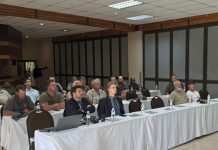


The very first Ukukhula conference – a national platform dedicated to black grain producers – took place at NAMPO Park on 2 October this year and was hosted by Grain SA’s Phahama Grain Phakama (PGP).
The event culminated in the annual PGP Day of Celebration, where excellence within the farmer development programme was honoured.
In his opening message, Jeremia Mathebula, chairperson of PGP, said that Ukukhula will unite the voices of farmers – and that these voices will be heard.
‘This is more than a conference; it is the beginning of a movement of transformation led by farmers, with the aim of moving closer to prosperous food production in this country,’ Mathebula concluded.

Resilience, transformation and progress
Delivering the keynote address, Elsabé Rockman, Free State MEC for Agriculture, Rural Development and Environmental Affairs, described Ukukhula – which means growth – as a true celebration of resilience, transformation, and progress.
‘Consideration should be given to female farmers, as only 15% of agricultural land in South Africa is currently owned by women. In land redistribution, preference is thus given to women,’ Rockman noted.
She furthermore highlighted the importance of partnerships with agri-businesses and entities like the Land Bank and universities to unlock finance, market access, and training.
Rockman stressed the urgent need to make agricultural insurance more affordable in order to safeguard the crops and assets of emerging farmers.
Attending developing farmers were part of four pivotal discussion sessions on land tenure, livestock integration, financing options, and insurance.
Break-away sessions were organised for subsistence and smallholder farmers, where the focus was on mentorship, storage and markets, affordable finance, and livestock nutrition.
Land tenure
Jabulani Arthur Mthembu, president of the African Farmers’ Association of South Africa (AFASA), said in his address that the issue of land tenure remains unresolved, with too much land still in the government’s hands. ‘Title deeds and collateral remain a pipe dream,’ he noted.
Mthembu called on strategic partners to work together. ‘We need business, successful farmers, and role-players like Grain SA to identify areas for collaboration,’ he said.
During the subsequent panel discussion, several key issues were raised:
- Title deeds: Attendees sought clarity on the government’s promise to convert 30-year leases into ownership. Officials confirmed that over two hundred transfers have been approved, mostly in the Northern and Eastern Cape. Delays were caused by the state attorney being ‘inundated’, but provincial offices will now use their own conveyancers to expedite the process.
- Beneficiary selection: Participants requested more transparency on the selection criteria. Priority is given, in order, to women, youth, people with disabilities, and military veterans. Farming capacity, skills, business plans, and other required documentation must be submitted to ensure productive land use.
- Financing: Banks often reject credit applications without the necessary collateral, which can only be provided once ownership is transferred. Title deeds are, therefore, critical to unlock finance, enable farm expansion, and create jobs. Attendees again urged that the process be accelerated.
- Market access and post-settlement support: Even after title deeds have been transferred, farmers highlighted ongoing challenges, from access to inputs to selling their produce. Without proper support structures, farmers risk producing without profiting, as intermediaries capture value. They called for comprehensive support systems and direct market access.
- Collaboration and accountability: Attendees expressed concern that government officials are not always agricultural experts and cautioned against pronouncements made without sufficient groundwork. Farmers felt that they should help shape policy and practical solutions.
Richard Krige, chairperson of Grain SA, responded forcefully after this discussion, stating that ‘hard truths should be spoken’. He referred to the R2,043 billion reportedly stolen at Tembisa Hospital. ‘This money could have been used to purchase title deeds for these farmers. Why should they be denied their rightful access?’
‘We need serious policy changes and Grain SA will continue to advocate strongly on behalf of the farmers in this country,’ Krige added.

Livestock integration
Duncan Serapolwane, a stud breeder from Morokweng in the North West Province, said in his address that black farmers should stand together and support one another. ‘Let us work together, so that we do not remain upcoming farmers for the rest of our lives,’ he urged.
These key issues were discussed during the subsequent session:
- Livestock as a business: Attendees were reminded that success depends on more than just a cultural connection to
livestock. Sound business practices and effective herd management are essential for long-term success. - Disease and biosecurity: While it is easy to blame the government for the control of foot-and-mouth disease, farmers also have a responsibility to take proactive measures. It was agreed that farm workers should be trained to identify potential diseases early and implement preventative controls.
- Communal challenges: Practical solutions were discussed, including the active management of quality bulls in communal systems through controlled breeding, proper animal branding, and strengthened accountability measures.
- Theft: It is vital to count livestock regularly so that any incidents of theft can be reported promptly. In most cases, theft originates from within the community or workforce. Regular monitoring, proper branding and proactive planning – such as avoiding placing calves along farm boundaries – are essential preventative measures.
- Markets and export: Export opportunities do exist, but farmers should comply with established standards, such as traceability and animal health requirements. The importance of mentorship and ongoing training was strongly accentuated.
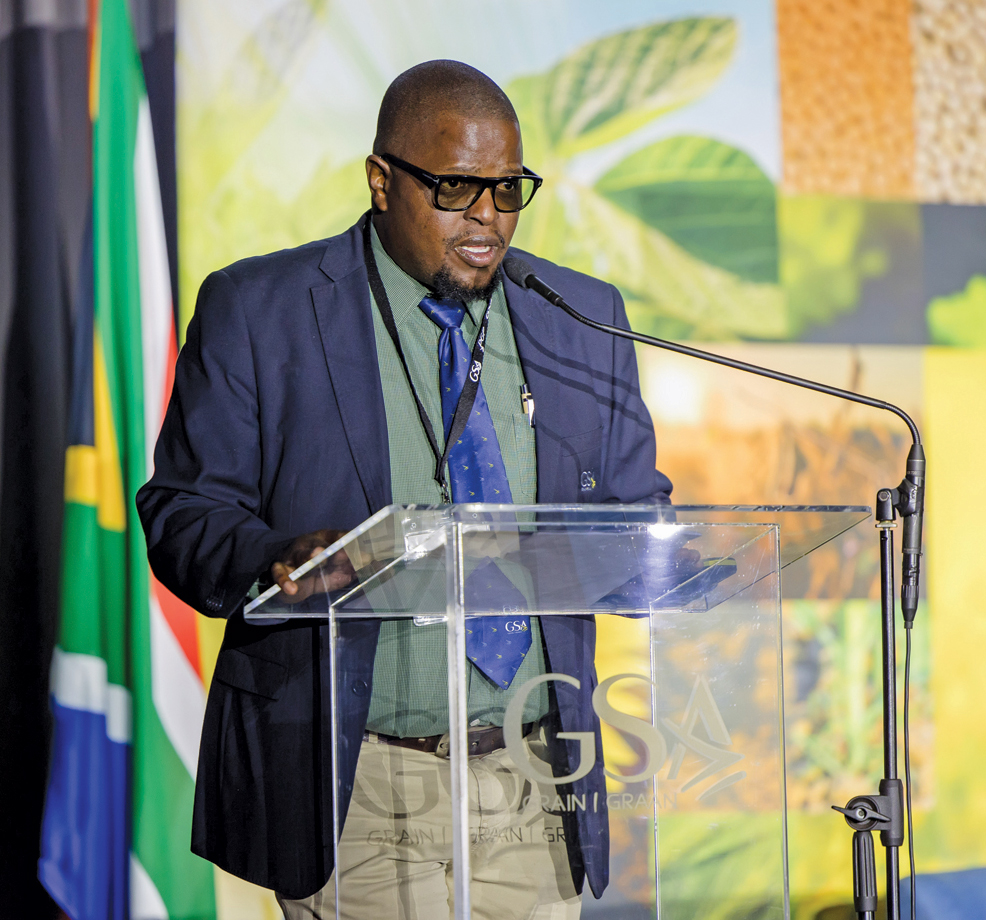
Financing options
Sandile Mahlangu, transformation manager at the South African Cultivar and Technology Agency (SACTA), stressed the importance of collaboration, partnerships, and coordination in his address. He noted that it remains challenging for smallholder and new-era farmers to access finance, highlighting the need for agricultural funding to unlock the sector’s full potential.
The following points emerged during the group discussion:
- Lease tenure and loan terms: Attendees inquired about short leases and payback periods and panel members explained that input loans are renewable, while asset loans require lease security.
- Turn-around times: Attendees sought clarity on the duration of applications. The process should take approximately four weeks, provided all required documentation is submitted. Documents like water certificates, business plans, and proof of SARS registration are vital.
- Communication: It was emphasised that communication between farmers and funders should be maintained consistently, both during the application process and when challenges arise. Farmers were also urged not to ‘disappear’ when repayment becomes difficult, but to engage with the funding organisation to find mutually agreeable solutions.
De-risking through insurance
Paul du Plessis from Hollard Agri opened the final session by saying that not all farming risks can be insured. He highlighted that risk management should include: avoidance (eliminating activities that create risk), reduction, transfer (shifting risks to another party) and acceptance (choosing to live with the risk when mitigation is not cost-effective).
The following issues emerged during the subsequent discussion:
- Structural cover: Attendees expressed concerns about claims being rejected due to the poor structural condition of buildings, even when cover was in place. Panel members emphasised that proper risk assessments should be conducted upfront and that insurance should not be acquired over the phone.
- Multi-peril insurance: It was explained that this type of insurance is limited and costly, because the government does not subsidise crop insurance. Index-based insurance was highlighted as a more viable solution.
- Complexity of contracts: Farmers noted that contracts should be simplified, as they do not always understand the exclusions and claim procedures. The panellists acknowledged these shortcomings and agreed on the need for clearer and more straightforward communication.