


Every year one of the most important decisions for a producer is the selection of a hybrid package to plant. When selecting a suitable package, two of the most important considerations must be the yield performance and with that the hedging of risk.
The criteria that a producer sets for a hybrid will vary from farm to farm. Some of these characteristics are very important regardless of where those hybrids are planted. The following characteristics will be key considerations in the decision-making process:
-
- Soil potential
- Yield performance
- Weather and climate
- Hedging of risks
- Plant depth and speed of planting
- Plant population
- Fertiliser
- Conclusion
Soil potential
Understanding the potential of your soil is essential. Both soil type and depth directly influence possible yield outcomes, whether dealing with clay or sandy soils. Additionally, conducting a soil analysis is highly recommended, as it enables informed decisions regarding the appropriate fertilisers to use.
Yield performance
Reliability of yield expectation from season to season is probably one of the most important aspects of hybrid choice. Success depends on risk hedging and is determined by how accurately a hybrid’s yield prediction can be made. The chance of success improves significantly when you make your choice based on multi year trial data of your specific area or region.
Weather and climate
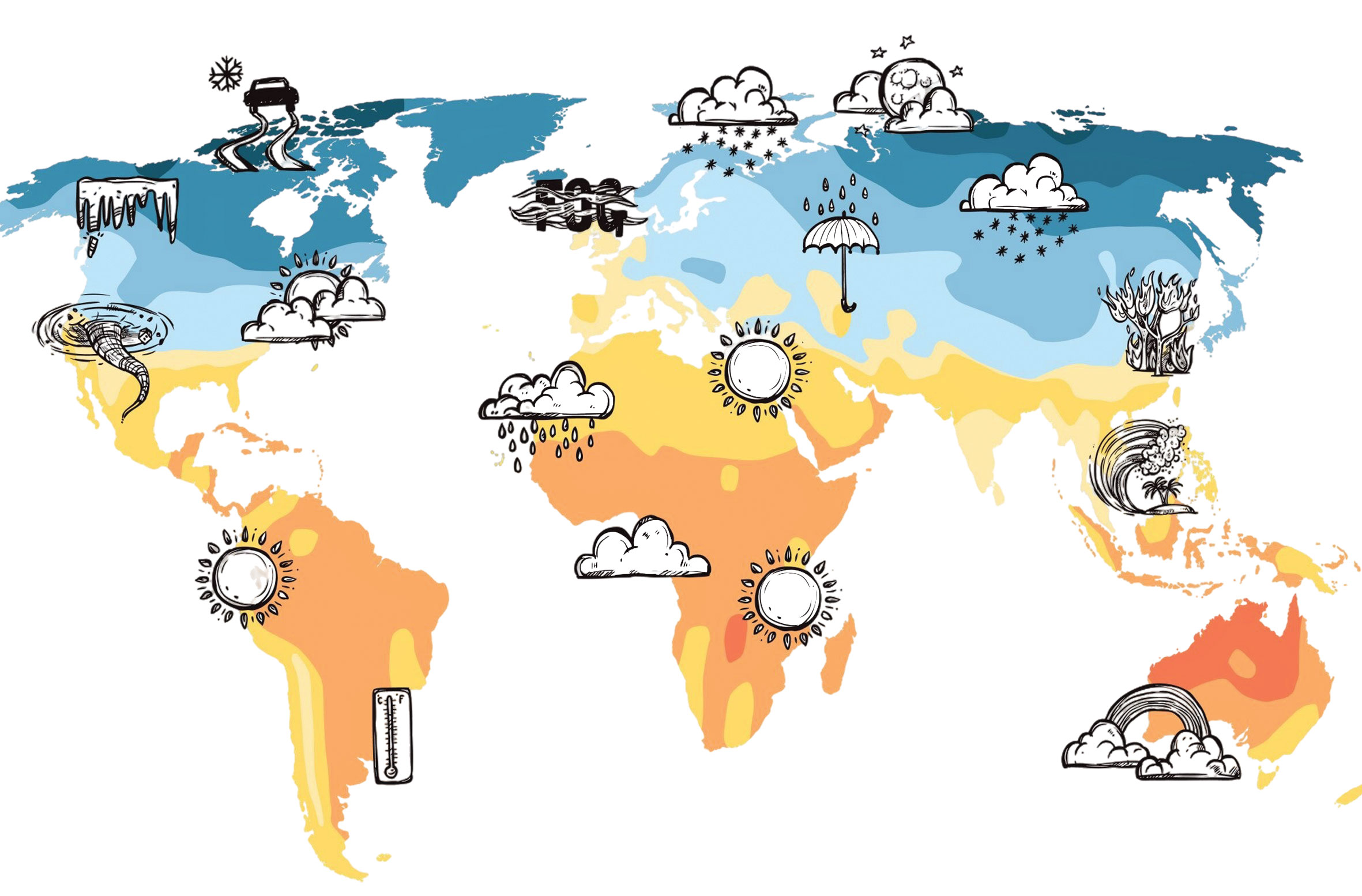
Significant weather and climate differences exist between east and west, and seasonal variations occur annually in the same region, making a hybrid package essential.
Maize seeds germinate between 13 and 18 °C with an optimal range of 23 to 25 °C. Therefore, if you plant too early the germination will be negatively affected. Maize seed will not germinate at temperatures below 10 °C.
A key consideration when selecting a hybrid is identifying the drought periods specific to your region and scheduling maize planting so that the flowering stage does not coincide with these periods. Maize requires a frost-free growing period.
Hedging of risks
It is imperative to understand that there is no one hybrid that is ideal – so the first step in hedging risks is to compile a package. A package is constructed from various hybrids (different genetics, resistant properties, disease tolerance, etc.) and preferably with different growing season lengths.
Risk hedging involves integrating previously discussed strategies along with several additional considerations, such as the following:
- Planting date
- Rainfall distribution
- Stress factors like drought stress, damage due to diseases, insect damage or hail
- Weed control – ensure clean weed free seedbeds and make sure about plant sensitivity
- Traits – determine your markets needs (conventional vs. GMOs)
Plant depth and speed of planting
It is a common myth that seeds planted shallowly germinate first. However, trials with planting depths from 2 to 8 cm show seeds planted at 8 cm emerge before those planted at 2 cm. This is likely due to more stable temperatures at greater depths compared to shallower soil.
The same principle applies to planting speed. When the speed exceeds 15 km/h, the accuracy of interplant spacing decreases and so does the yield potential.
It is important to monitor the occurrence of doubles and triples during seed placement, as excessive interplant competition resulting from these patterns can adversely impact yield.
Plant population
Each hybrid has an ideal plant population that must be maintained for optimal yield.
Ultra-quick hybrids need higher planting populations than medium or late hybrids due to fewer tillers. Under irrigation, use 65 000 to 90 000 plants/ha; on western dryland, use 18 000 to 35 000/ha, depending on soil type. Normally the plant populations in eastern parts tend to be higher because of higher rainfall and earlier planting dates.
Seedbed
A properly prepared seedbed is essential for healthy plants and optimal populations. Ensure the soil is free of hard layers that could prevent seedlings from emerging.
Break up hard layers with appropriate tools to avoid costly, time-consuming replanting.
Layers typically develop following heavy rainfall, particularly on sandy soils.
 Fertiliser
Fertiliser requirements are based on yield potential, and there are specific tables that indicate the amounts of nitrogen, phosphorus, and potassium needed for a given yield potential.
To prevent fertiliser burn, fertilisers should be placed in bands no less than 5 cm below and 5 cm away from the seed.
The optimal timing for nitrogen application post planting is at the eight-leaf stage, as this practice can enhance yield potential.
Conclusion
In summary, while these are not the only factors in crop production, they are among the most important. Focus on the fundamentals for a successful planting season.
Contact AK Geldenhuys at akgeldenhuys@outlook.com for more information on this.