

Agriculture in South Africa, like elsewhere in the world, faces growing pressure to adapt. Climate variability, rising input costs, and environmental concerns are driving the need for resilient, resource-efficient production systems. Producers increasingly need evidence-based solutions that are not only profitable but also sustainable. Responding to this need, the North-West University (NWU) has established the Centre for Sustainable Agriculture (CSA), an innovation platform aimed at bridging the divide between research, teaching, and real-world farming.
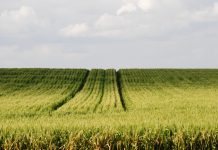
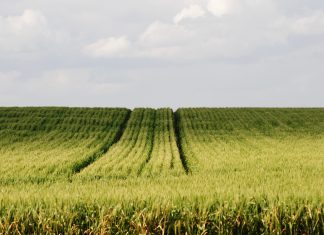
Just outside Potchefstroom and 4 km from the NWU main campus, the centre took shape in record time. Ground was broken in September 2024, and within six months the site was transformed from uncultivated grassland into a functioning experimental farm. Lands were cleared and cultivated, fences installed to secure the site, and storage and workshop facilities constructed. Farming equipment was also procured, including tractors, no-till planters, and a combine harvester. These implements will soon be equipped with precision mapping capabilities to align with the growing focus on digital and precision agriculture.
The centre supports both research and academic training. It directly complements the NWU’s BSc Agric programmes, which include modules in grain and vegetable production, soil health, economics, and sustainable and precision agriculture. It serves as an outdoor classroom where students gain practical experience in real production environments. This includes hands-on training in soil assessment, input management, crop scouting, and digital farm tools.
At the heart of the centre is a long-term research trial developed through industry consultation and expert input. Seven agricultural systems are compared on 64 plots, ranging from conventional monoculture maize to diversified regenerative approaches with reduced soil disturbance, biological inputs, and livestock integration. One system also tests silvopasture, combining pecan trees, cover crops, and grazing animals. Unlike many trials focused on a single crop or product, this trial compares entire systems. And yield is only part of the outcome. Input use efficiency, profitability, and the system’s response to changing conditions are also tracked.
All inputs and management practices are carefully recorded using the AgMatix platform to ensure accurate and reliable data. The trial is reviewed annually by an independent panel of experts who help guide any management adjustments required. Ultimately, the goal is not to promote one farming method over another, but to generate credible, locally relevant data, assisting producers in making informed decisions that suit their own context. The trial reflects real-world farming practices and is designed to be adapted when needed.
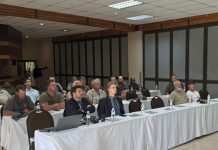
Short-term trials and product evaluations are also supported at the centre. Several commercial products are currently being tested in partnership with industry collaborators, who also make use of the site for demonstration plots and registration trials. This collaboration model not only benefits research and product development, but also provides students with exposure to leading agricultural companies and technologies. Industry professionals are often invited to contribute as guest lecturers, helping students connect theoretical learning with applied practice.
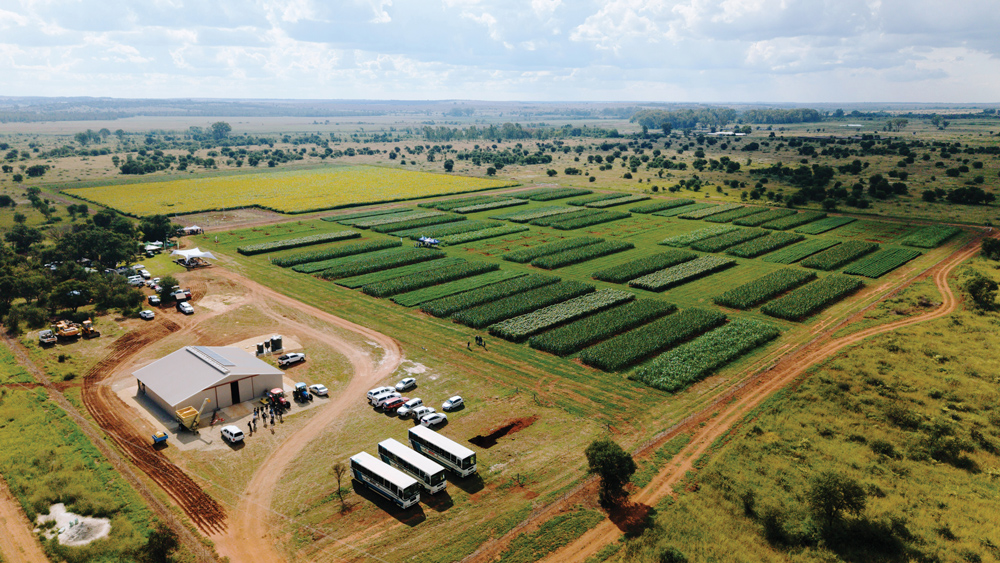
The next development phase is already underway. Precision irrigation fields will soon be installed, made possible by the 32 ha of secured water rights. These will enable winter grain and vegetable trials under controlled but realistic conditions. Additional infrastructure is also being planned, including laboratories, product processing and storage areas, rotating workspaces for visiting researchers, and facilities for training and stakeholder meetings. These investments will position the centre as a fully serviced research and demonstration hub for both commercial and developing producers. This initiative also plays an important role in broader provincial goals. With many black farmers still excluded from commercial value chains, the centre will help to close this gap. Through planned partnerships, short-learning courses, and mentorship programmes, the platform is poised to contribute towards inclusive growth and capacity development.
Without the visionary leadership and support of the NWU executive, particularly the principal and vice-chancellor, Prof Bismark Tyobeka, and senior management, the success of the CSA would not have been possible. Their commitment to agricultural innovation and community impact laid the foundation for this initiative. NWU Infrastructure and Facilities are also acknowledged for their instrumental role in the rapid development and continued expansion of the site.
The NWU Centre for Sustainable Agriculture is still young, but it is already proving its value as a space where science and practice come together. What is being planted, tested, and learned here today has the potential to shape the way that South African agriculture grows tomorrow.